Let Our Packaging Experts Review Your Project
Share your packaging requirements before you leave. Our experts can review your dieline, artwork, materials, inserts, finishing, certifications, MOQ, quality checks, and delivery expectations.

A perfume bottle can contain an exceptional fragrance, but customers rarely experience the scent first.
They experience the box.
Before opening the cap, spraying the fragrance, or reading the ingredients, buyers see the packaging design, touch the material, feel the structure, and form an opinion about the product value.
This is why successful fragrance brands invest in custom perfume boxes instead of relying on generic packaging options.
A well-designed perfume box does more than hold a bottle. It protects fragile glass containers, strengthens brand recognition, supports premium pricing, and creates the type of unboxing moment customers remember.
The perfume packaging market itself reflects this shift. According to Fortune Business Insights, the global perfume packaging market was valued at approximately USD 3.72 billion in 2025 and is projected to reach USD 6.89 billion by 2034, growing at a CAGR of 7.18%.
For fragrance companies, this growth means one thing: packaging is becoming a competitive advantage, not just a manufacturing expense.
Many emerging perfume brands start with a simple question:
“Can we reduce packaging cost by using standard boxes?”
The answer depends on the role packaging plays in your business.
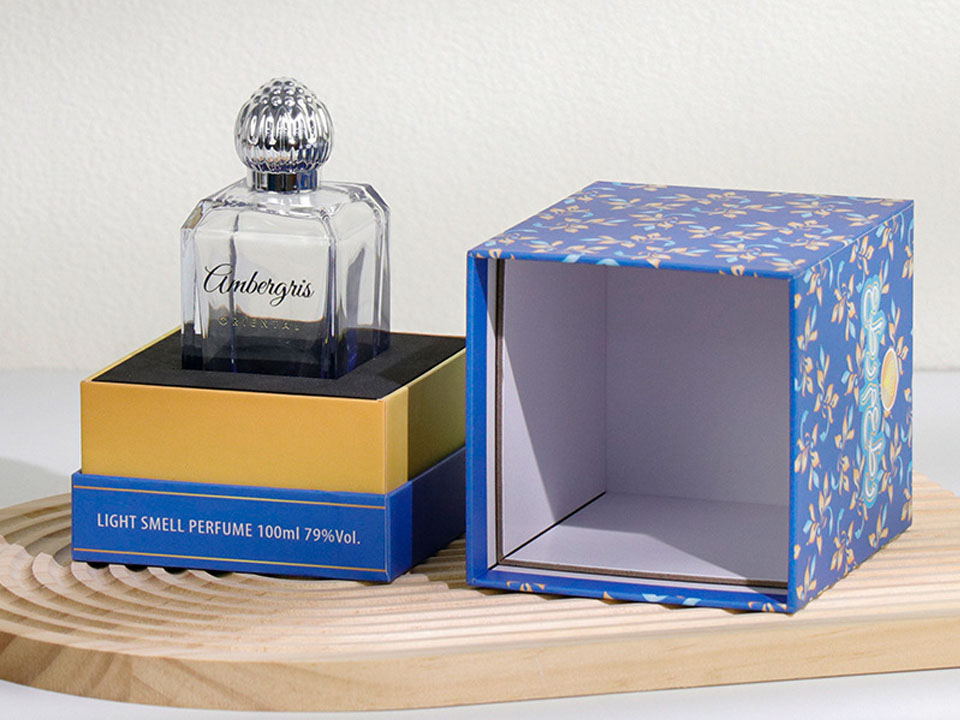
For mass-market products, standard packaging may work. But for niche fragrances, luxury perfumes, private-label brands, and premium gift collections, generic packaging creates limitations.
A standard box cannot fully represent:
A customized package gives brands complete control over the customer experience.
The difference is similar to buying a tailored suit versus an off-the-rack product. Both may cover the same basic function, but the perception is completely different.
Perfume is an emotional product.
Customers are not only purchasing fragrance notes such as vanilla, oud, rose, citrus, or amber. They are buying identity, lifestyle, and personal expression.
Packaging needs to communicate that emotional value.
A premium perfume brand may use:
These details create a stronger connection between the customer and the brand.
For example, a luxury fragrance presented in a poorly printed folding carton immediately creates doubt. Even if the perfume formula is excellent, customers may question whether the product is genuinely premium.
This is why many brands choose luxury perfume boxes packaging that matches their positioning, bottle design, and retail environment.
A high-end perfume box is not simply a container. It becomes part of the product itself.
Perfume bottles are challenging products to package.
Unlike many consumer goods, fragrance packaging must solve several problems at the same time:
| Packaging Challenge | Why It Matters | Custom Solution |
|---|---|---|
| Glass bottle protection | Prevent breakage during transportation | EVA, foam, pulp, or molded inserts |
| Premium appearance | Support luxury positioning | Special finishing and rigid structures |
| Size variation | Different bottle shapes require different fitting | Customized dimensions |
| Shipping stability | Reduce damage and returns | Structural engineering |
| Brand consistency | Maintain appearance across batches | Manufacturing quality control |
A perfume box that looks attractive but fails during logistics can damage both products and reputation.
Recently, I was reviewing discussions from packaging and fragrance industry communities, and one story caught my attention.
A niche perfume brand spent months developing a new fragrance collection. They selected a supplier mainly because the quotation was attractive and the production timeline looked fast.
The first samples seemed acceptable.
Then mass production arrived.
The problems appeared quickly:
The launch schedule was delayed because the company had to inspect and replace a significant portion of the packaging before distribution.
The lesson was clear.
The problem was not simply “bad boxes.” The mistake was treating perfume packaging as a commodity instead of a key part of the product experience.
Professional perfume brands evaluate suppliers based on:
Not only unit price.
In today’s fragrance market, differentiation matters.
A customer walking through a luxury retail store may see hundreds of products competing for attention.
The package must answer one question immediately:
“Why should someone pick this brand?”
This is where custom design becomes valuable.
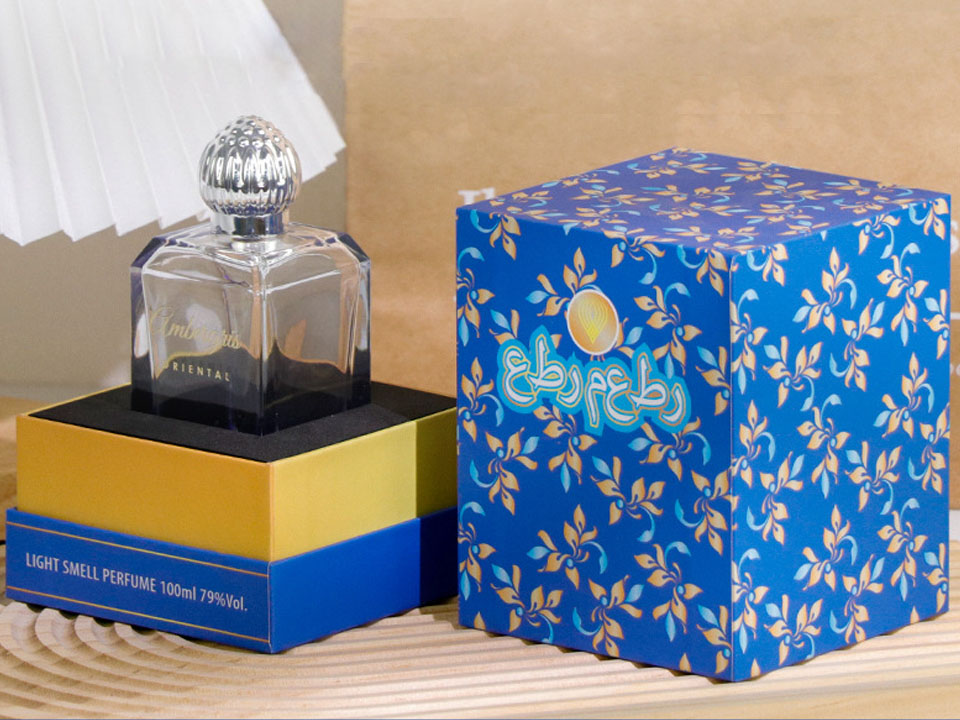
Brands can develop unique perfume box design ideas through:
For limited editions, holiday collections, influencer collaborations, and premium gift sets, customized structures can significantly improve customer engagement.
A perfume box can become a collectible item rather than disposable packaging.
Small fragrance startups often focus on creativity first.
However, scaling introduces different challenges.
A packaging solution that works for 500 units may fail at 50,000 units.
Wholesale packaging requires:
Working with a professional manufacturer allows brands to move from small-batch launches to international distribution without changing their packaging identity.
Companies searching for reliable suppliers often compare different options for wholesale perfume boxes based on production capability rather than only price.
The right supplier becomes a long-term manufacturing partner.
Sustainability is no longer only a marketing message.
Consumers, retailers, and regulations are pushing brands toward more responsible packaging choices.
The sustainable cosmetic packaging market demonstrates this trend. Research and Markets reported that the market grew from USD 12.82 billion in 2024 to USD 13.61 billion in 2025 and is projected to reach USD 21.56 billion by 2032, with a CAGR of 6.71%. Major drivers include recyclable materials, biodegradable solutions, and circular packaging systems. ([Fortune Business Insights][1])
For perfume brands, sustainable packaging options may include:
Sustainable packaging does not mean sacrificing luxury.
Modern manufacturers can combine premium appearance with environmentally responsible materials.
The custom cosmetic packaging boxes market is expanding as brands seek personalization, e-commerce-ready solutions, and stronger differentiation. Industry research estimates the market will grow from approximately USD 2.5 billion in 2024 to USD 5.1 billion by 2034, driven by personalized packaging demand, online sales growth, sustainability requirements, and brand differentiation. ([Fortune Business Insights][1])
For perfume companies, this trend creates opportunities.
A customized package can communicate:
| Brand Positioning | Suitable Packaging Approach |
|---|---|
| Luxury fragrance | Rigid boxes, foil stamping, premium textures |
| Natural perfume | Kraft paper, recycled materials, minimalist design |
| Gift perfume | Decorative structures and special opening experiences |
| Boutique fragrance | Artistic printing and limited-edition concepts |
| Corporate perfume gifts | Customized branding and inserts |
The packaging becomes a silent salesperson.
Here is an unpopular opinion in the perfume packaging industry:
The cheapest custom perfume box is often the most expensive choice.
Many buyers compare suppliers using one measurement:
The lowest quotation.
But perfume packaging is not a simple printed carton.
Small differences in:
can completely change how customers perceive the fragrance.
A premium perfume brand rarely loses customers because the box costs a few cents more.
It loses customers when:
The smarter strategy is optimizing total packaging value.
That means selecting the right materials, removing unnecessary costs, improving production efficiency, and partnering with a manufacturer that understands luxury packaging requirements.
A reliable packaging partner usually follows a structured development process.
Manufacturers evaluate:
Engineers develop packaging structures that balance:
Sampling helps verify:
Professional suppliers control:
This reduces expensive mistakes after production.
For brands looking for advanced custom perfume packaging solutions, working directly with an experienced manufacturer provides better control over every stage.

| Factor | Standard Packaging | Custom Perfume Boxes |
|---|---|---|
| Design flexibility | Limited | Fully customized |
| Brand recognition | Low | High |
| Bottle protection | Basic | Engineered protection |
| Premium appearance | Limited | Multiple finishing options |
| Sustainability options | Restricted | Flexible material choices |
| Customer experience | Functional | Brand-focused |
Different perfume businesses have different packaging requirements.
Need:
Need:
Need:
Need:
For brands developing distinctive branded perfume boxes, customized packaging creates a stronger connection between product and customer.
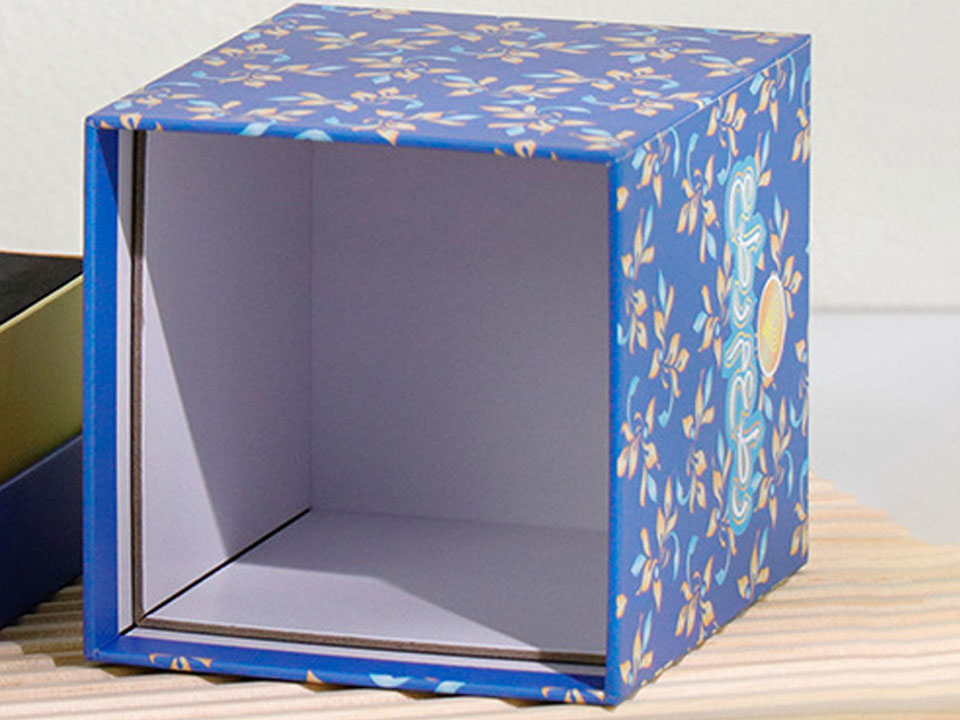
Custom perfume boxes are packaging solutions designed specifically for fragrance products with customized sizes, materials, printing, and finishing options.
They help brands protect perfume bottles while creating a premium customer experience.
Custom boxes provide better protection, branding flexibility, and visual impact compared with standard packaging.
They allow perfume companies to match packaging with bottle design, market positioning, and customer expectations.
Common materials include rigid board, specialty paperboard, kraft paper, recycled materials, EVA foam, and molded pulp.
The best choice depends on product protection needs and brand positioning.
Yes. Many manufacturers support startups and boutique fragrance brands through sampling, low-volume production, and scalable manufacturing options.
Production time depends on design complexity, quantity, materials, and finishing requirements.
A typical process includes design approval, sampling, production, and quality inspection.
Yes. Brands can choose recyclable paper materials, FSC-certified options, biodegradable components, and reduced packaging structures.
Sustainable packaging options continue to grow as consumer expectations change.
Evaluate suppliers based on manufacturing experience, sample quality, material control, production capacity, certifications, and customer support.
The lowest price should not be the only decision factor.
Comments