Let Our Packaging Experts Review Your Project
Share your packaging requirements before you leave. Our experts can review your dieline, artwork, materials, inserts, finishing, certifications, MOQ, quality checks, and delivery expectations.
Share your packaging requirements before you leave. Our experts can review your dieline, artwork, materials, inserts, finishing, certifications, MOQ, quality checks, and delivery expectations.


Material selection helps brands and procurement teams choose the right paperboard, corrugated board, rigid box board, wrapping paper, coating, and finishing system before custom packaging goes into production. For custom boxes, paper packaging solutions, and export-ready packaging for the USA and Europe, the right material affects cost, strength, print quality, sustainability claims, shipping performance, and customer experience.
We support packaging material selection for procurement teams, packaging engineers, brand managers, distributors, and OEM/private label partners who need clear recommendations before confirming dielines, prototypes, samples, or mass production.
Choosing packaging material too late can create avoidable cost, quality, and supply chain issues. A structure may look correct on screen, but the wrong board thickness, paper surface, flute type, or coating can affect folding, gluing, printing, stacking, and shipping. Our material selection service helps align the packaging structure with the product, sales channel, brand position, logistics route, and procurement target.

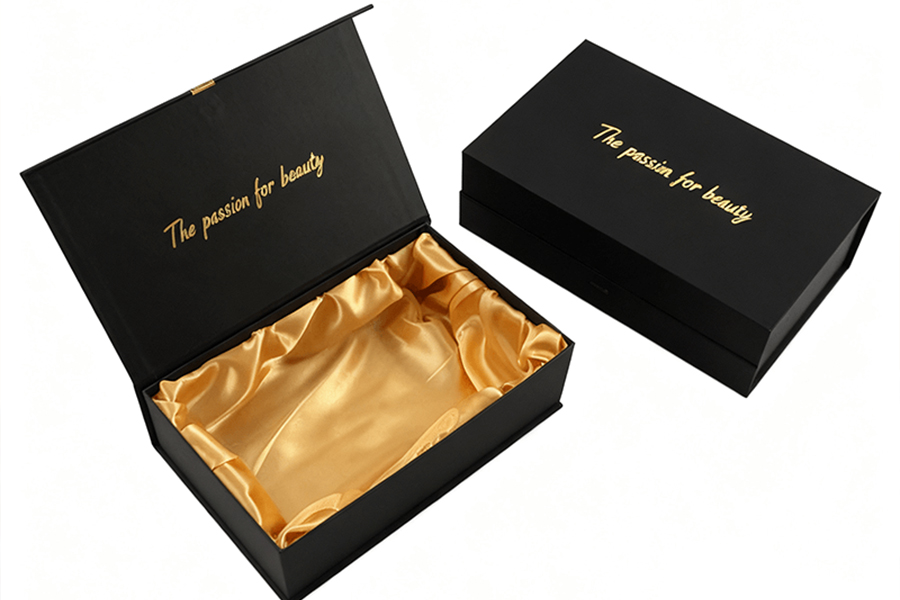

Material is one of the largest cost drivers in custom packaging. We help compare board grades, paper weights, corrugated options, wrapping papers, and finishes so your team can avoid over-specification while maintaining the required protection and presentation. For example, a luxury perfume box may need a rigid greyboard structure with premium wrapped paper, while a lightweight cosmetic carton may perform better with folding carton paperboard and a suitable coating.
Material selection must match the product’s weight, fragility, surface sensitivity, and distribution route. Glassware, candles, electronics, jewelry, apparel, and gourmet products do not require the same material logic. We review the product size, weight, insert requirement, shipping method, storage condition, and handling environment before recommending materials.
A material that works for a sample does not always work well in mass production. We consider cutting, creasing, folding, gluing, lamination, foil stamping, embossing, window patching, and assembly efficiency before confirming a material direction. This reduces the risk of cracking, warping, weak corners, color inconsistency, loose wrapping, poor adhesion, or unstable box assembly.
We help buyers compare practical material options for custom rigid boxes, folding cartons, corrugated packaging, paper tube boxes, paper shopping bags, retail displays, and printed paper packaging.
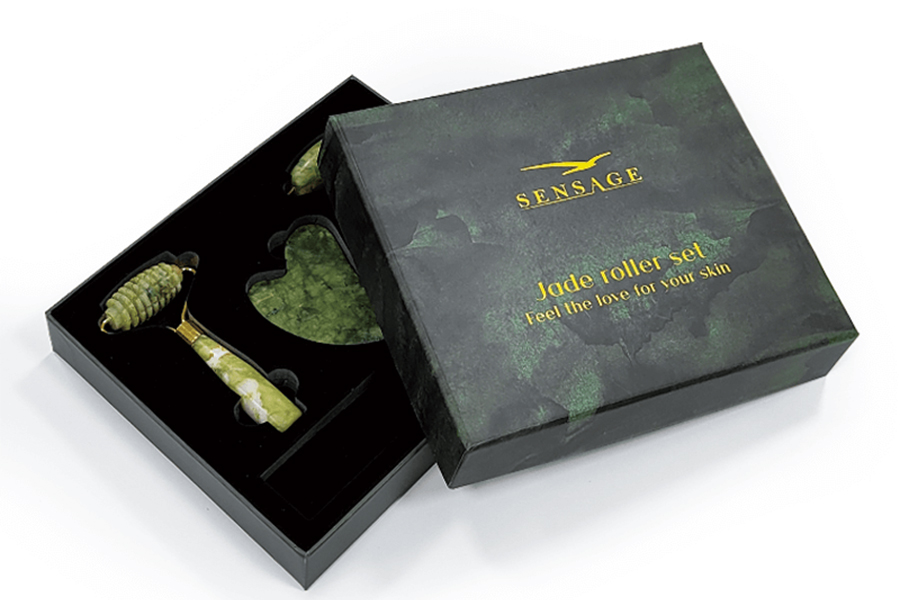
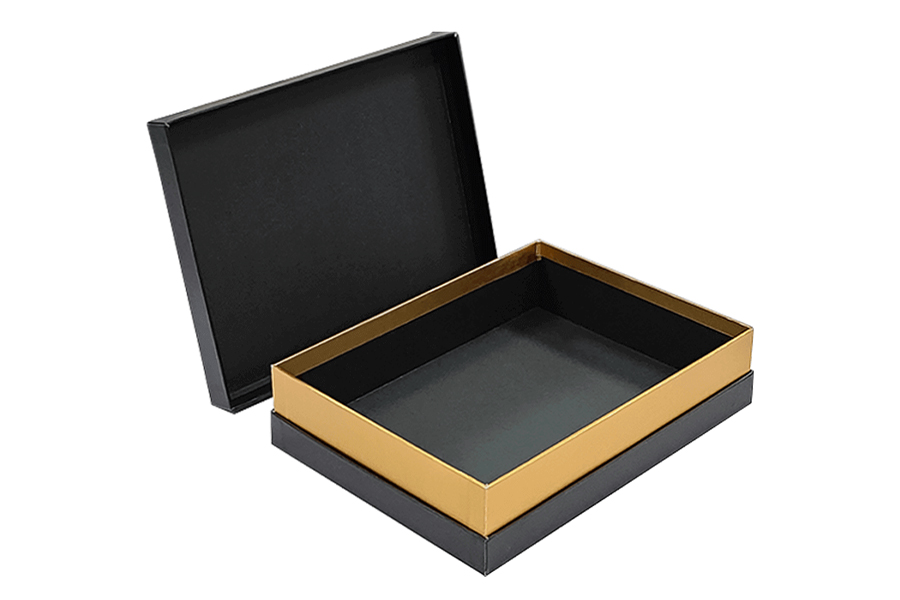
Rigid boxes usually require greyboard, chipboard, wrapped specialty paper, coated paper, textured paper, art paper, kraft paper, or laminated paper. These materials are commonly used for magnetic closure boxes, lid lift-off boxes, shoulder neck rigid boxes, paper drawer boxes, book-style rigid boxes, clamshell rigid boxes, double door rigid boxes, and odd shaped boxes. Rigid box material selection focuses on board thickness, wrapping paper quality, corner strength, surface texture, opening feel, insert compatibility, and premium presentation.
Folding cartons often use SBS paperboard, kraft paperboard, recycled paperboard, duplex board, or coated folding boxboard depending on print quality, cost target, product weight, and retail display needs. These materials are commonly used for cosmetic boxes, skincare boxes, small electronics packaging, apparel accessories, lightweight retail cartons, and promotional packaging.
Corrugated board is suitable for shipping mailer boxes, colored corrugated cartons, e-commerce packaging, protective retail packaging, and corrugated retail display units. We help compare flute types, liner colors, paper weights, strength levels, print methods, and internal protection options. For e-commerce brands and fulfillment teams, corrugated material selection should consider compression strength, mailer fit, shipping damage risk, dimensional weight, and warehouse handling.
Paper tube boxes, paper shopping bags, note cubes, video packaging, and premium paper packaging often require more specific material decisions. We review paper texture, core board strength, lining, surface finish, handle strength, print method, and finishing compatibility. This is especially useful for fragrance, candle, jewelry, gourmet, wine and spirits, VIP card, promotional, and gift packaging projects.
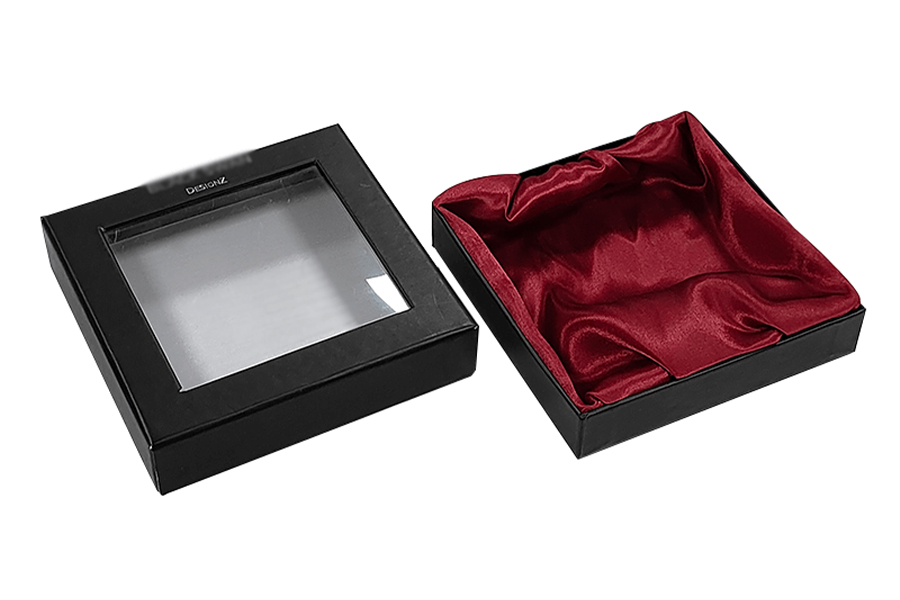
Different box structures need different material logic. The table below gives a practical starting point for early RFQ and design discussions.
| Packaging Type | Common Material Direction | Main Selection Criteria |
|---|---|---|
| Magnetic closure boxes | Greyboard with wrapped coated or specialty paper | Opening feel, corner strength, premium surface, insert fit |
| Lid lift-off boxes | Greyboard, wrapped paper, optional inner tray | Lid tolerance, stacking strength, luxury appearance |
| Paper drawer boxes | Greyboard, art paper, textured paper, ribbon or pull tab | Sliding resistance, drawer fit, surface durability |
| Folding gift boxes | Paperboard or foldable rigid board | Flat shipping, assembly speed, crease strength |
| Custom cosmetic boxes | SBS, folding boxboard, kraft board, specialty paper | Print sharpness, coating, shelf appeal, cost control |
| Custom perfume boxes | Rigid board, specialty paper, inserts | Premium feel, bottle protection, finish compatibility |
| Custom candle boxes | Folding carton, rigid board, corrugated mailer | Weight support, heat-sensitive finish choice, insert stability |
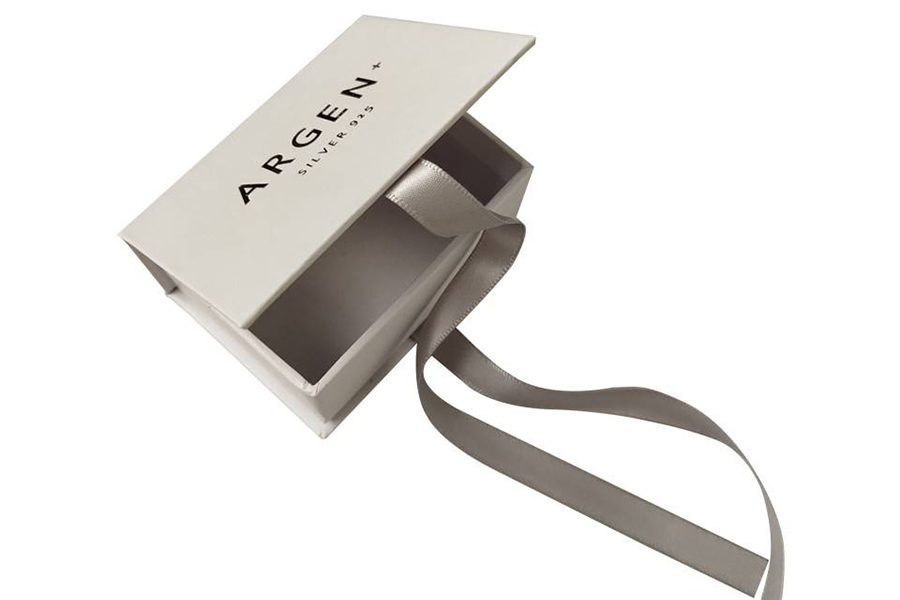
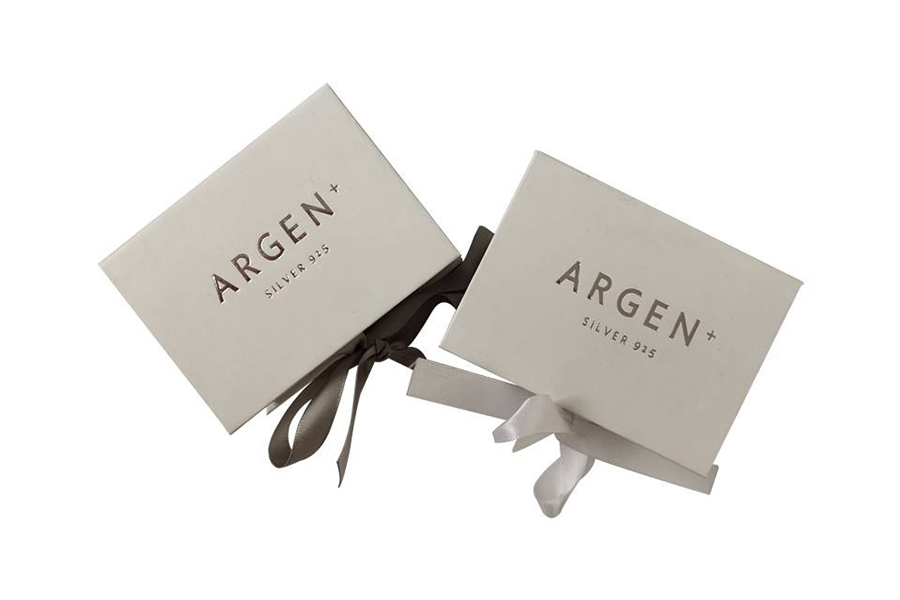
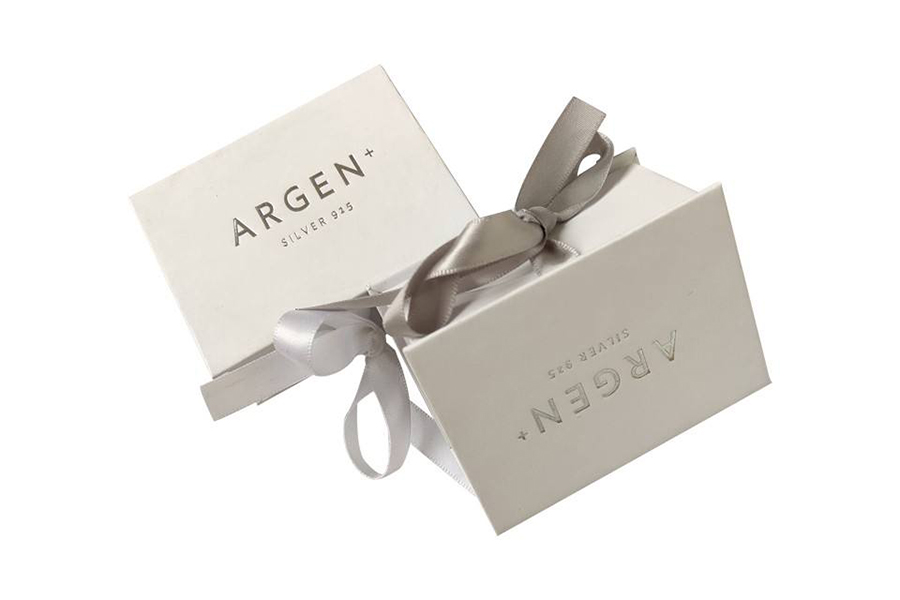
| Custom jewelry boxes | Rigid board, velvet/flocked insert, specialty paper | Presentation, small-part protection, tactile surface |
| Custom apparel boxes | Corrugated mailer, folding carton, rigid gift box | Shipping efficiency, brand experience, flat storage |
| Corrugated retail display | Corrugated board with litho or digital print | Load capacity, display stability, transport durability |
| Paper tube boxes | Spiral-wound paper tube, wrapped paper, inner lining | Tube strength, closure fit, surface texture |
Material recommendations should always be confirmed through dieline development, prototype and testing, or production sample review before mass production.
Our process is designed for packaging buyers who need clear decisions, not generic material suggestions. We connect material selection with packaging structural design, packaging engineering, custom box design, dieline development, prototype and testing, and production planning.
1
We begin with the product size, weight, fragility, surface sensitivity, sales channel, shipping method, and expected packaging role. A retail display box, subscription mailer, premium gift box, and export shipping carton all require different material priorities.
Useful project details include product photos, product dimensions, target quantity, destination market, reference packaging, artwork status, and any sustainability or compliance requirements.
2
We provide a practical material shortlist based on cost, strength, print quality, surface feel, finishing compatibility, and production feasibility. For many projects, we compare two or three realistic options instead of overwhelming buyers with unnecessary material choices.
For example, we may compare rigid board thicknesses for a perfume box, paperboard grades for a folding carton, or corrugated flute options for a mailer box.
3
Material choice affects dieline layout, crease lines, glue flaps, insert design, folding tolerance, and box opening performance. Our team coordinates material decisions with structural packaging design so the final box is not only attractive but also manufacturable.
For related support, see our internal service page: packaging structural design and engineering.
4
Before mass production, we recommend confirming the material with a white sample, printed sample, or pre-production sample. This helps verify touch, stiffness, print color, finish effect, insert fit, and assembly performance.
For sample development, see: packaging prototyping and sampling.
Procurement teams need packaging materials that are commercially viable, technically suitable, and easy to compare across suppliers. We help buyers define material specifications clearly so RFQs can be evaluated consistently.
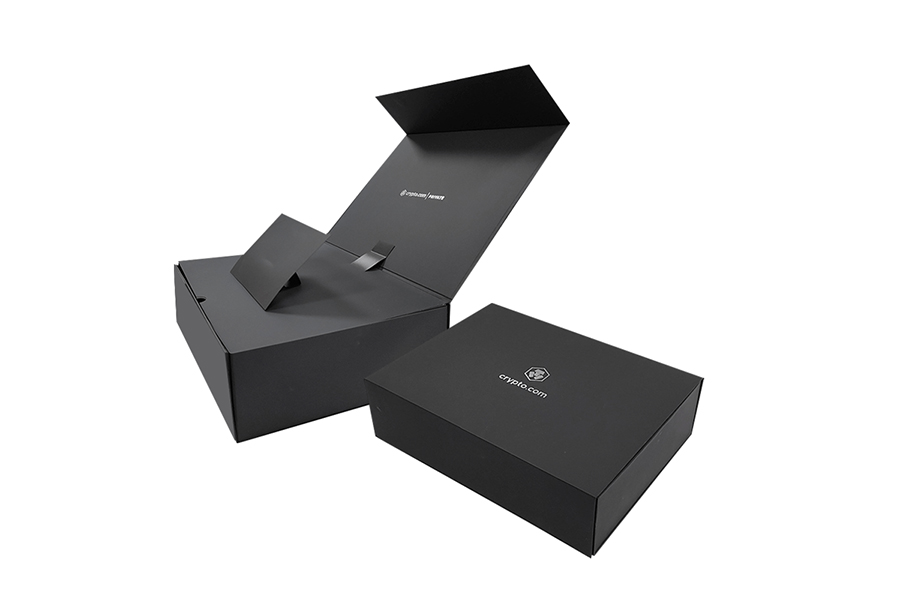
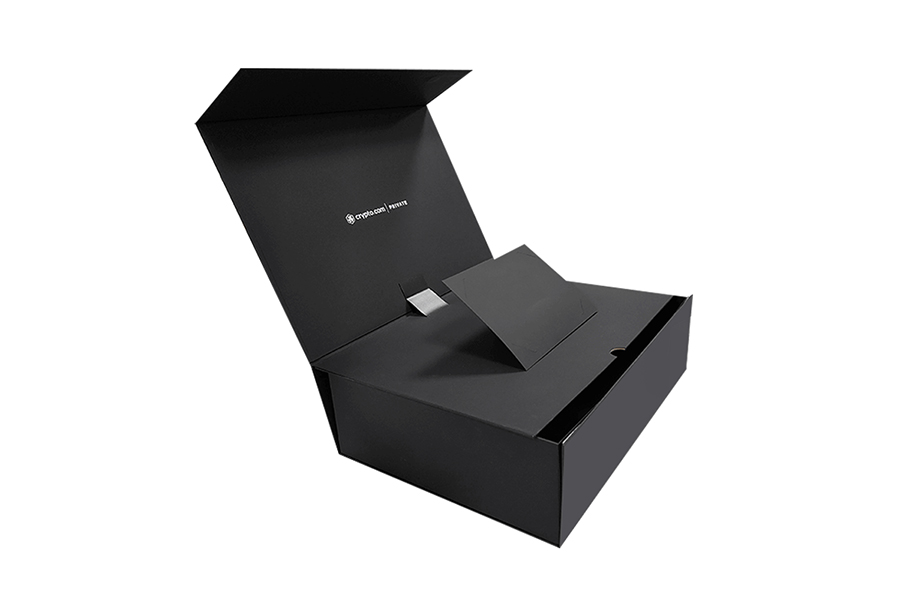
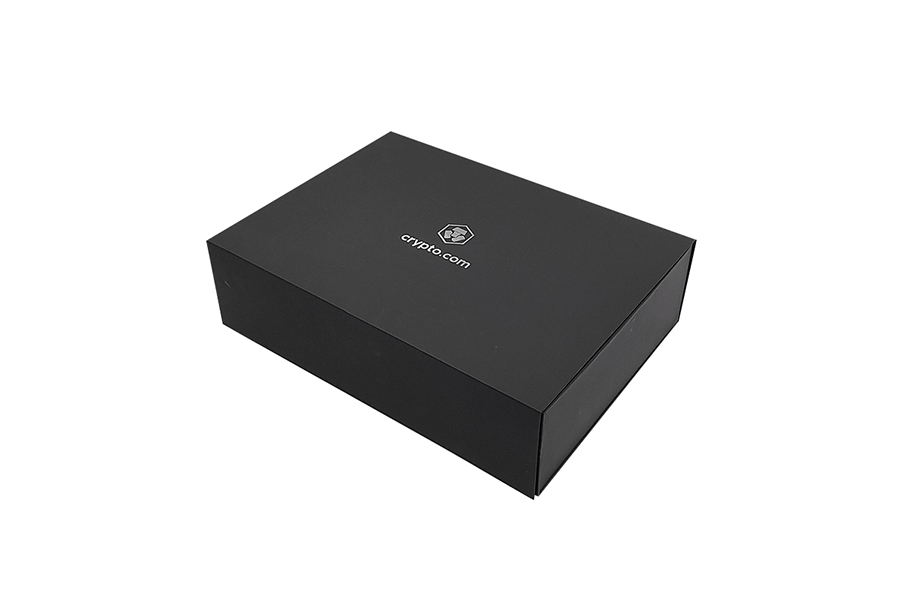
A strong RFQ should not only say “custom rigid box” or “folding carton.” It should define the board type, thickness, paper surface, print method, coating, finish, insert, packing method, quantity, destination, and sample requirement.
For procurement teams, this reduces quotation confusion and makes supplier comparisons more accurate.
The lowest material cost is not always the lowest total packaging cost. Weak material can increase damage rates, returns, replacement costs, and customer complaints. Overbuilt material can increase unit price, freight cost, storage space, and assembly time.
We help identify a balanced material specification for protection, presentation, production efficiency, and landed cost.
For brands selling in the USA and Europe, material selection may also include FSC-certified paper, recycled paperboard, kraft paper, plastic-reduced structures, and recyclable paper-based packaging options. We can support material discussions around responsible sourcing, supplier documentation, and packaging claims that need to be checked before artwork and production.
Material selection directly affects print quality and finishing results. A premium design can lose impact if the selected paper cannot hold color, foil, embossing, lamination, spot UV, or texture properly.
Coated paper usually provides sharper print results for detailed artwork, photography, gradients, and high-end cosmetic packaging.
Kraft paper offers a natural appearance but may shift color output and reduce brightness. For artwork support, see: artwork and prepress support.
Foil stamping, embossing, debossing, soft-touch lamination, matte lamination, gloss lamination, spot UV, textured paper, and specialty coatings all depend on material compatibility.
We help review the finish plan before production so the final material supports the intended brand appearance.
Luxury packaging depends on touch as much as visual design. Rigid boxes, jewelry boxes, perfume boxes, wine and spirits boxes, VIP card boxes, and promotional boxes often need materials that feel stable, clean, and premium in hand.
For cost-sensitive retail cartons or e-commerce boxes, the priority may shift toward durability, print clarity, and efficient production.
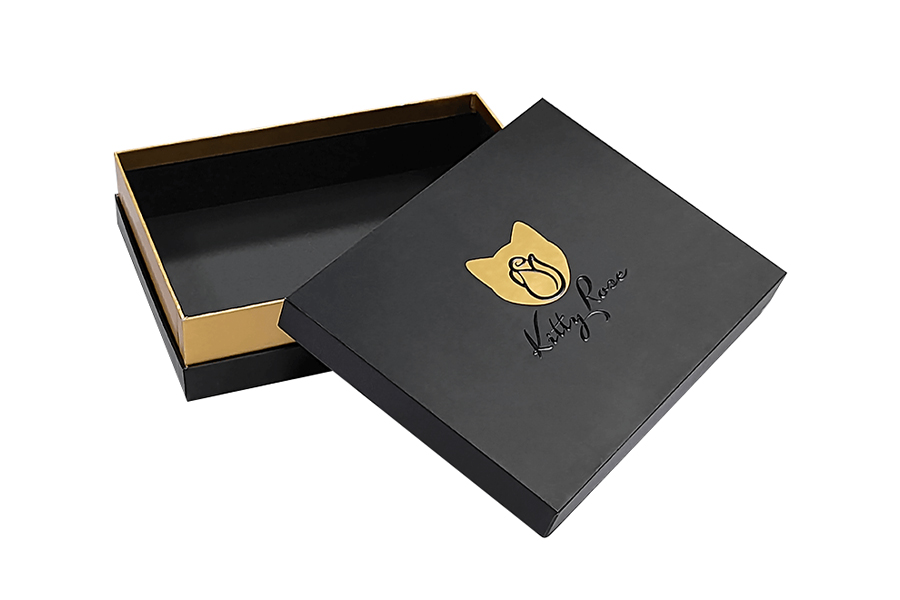
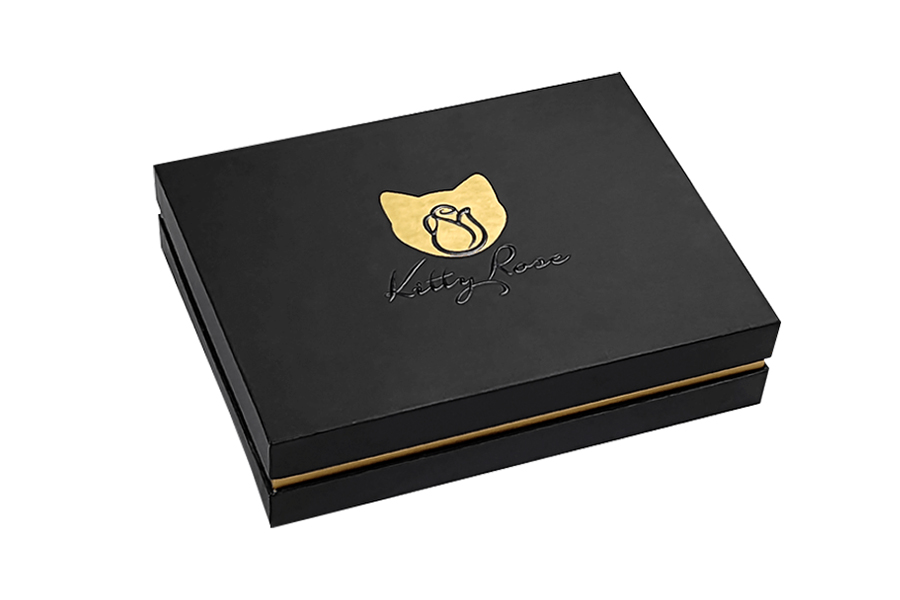
Packaging material must work across the full supply chain, not only at the point of sale. This is especially important for e-commerce brands, distributors, fulfillment centers, and procurement teams managing multi-country shipments.
Corrugated board, mailer materials, inserts, dividers, and protective paper structures should be selected according to product weight, shipping route, carton size, and expected handling.
For fragile products such as glassware, candles, electronics, or bottled goods, we may recommend stronger board, tighter inserts, reinforced corners, or secondary packaging.
Folding gift boxes, folding cartons, paper shopping bags, and mailer boxes can often reduce storage space and freight pressure when designed correctly. Rigid boxes offer premium presentation but usually require more storage volume.
We help buyers compare presentation value against logistics efficiency before finalizing the material.
A material may look premium but slow down packing if it is too stiff, too delicate, or difficult to assemble. We consider how the packaging will be packed by hand, semi-automated lines, or fulfillment teams.
This is especially relevant for apparel boxes, subscription boxes, promotional kits, seasonal gift sets, and distributor-ready packaging.
Material mistakes often happen because packaging decisions are separated from engineering, sourcing, printing, and fulfillment. Our role is to connect these decisions early.
A thicker board or heavier paper does not always mean better packaging. Over-specification can increase cost, freight weight, storage volume, and production complexity without improving buyer experience.
A material may look good in a photo but fail in printing, folding, gluing, stacking, or shipping. We evaluate material performance before recommending it for production.
Some papers do not support fine artwork, heavy ink coverage, foil stamping, embossing, or lamination equally well. We help check finish compatibility before the final artwork is approved.
Material samples and prototypes help confirm stiffness, surface feel, color performance, opening experience, and insert fit. Skipping this step can create expensive changes after production begins.
Terms like “premium paper,” “thick cardboard,” or “eco-friendly box” are too vague for accurate pricing. We help translate these requests into practical material specifications that factories and procurement teams can quote properly.
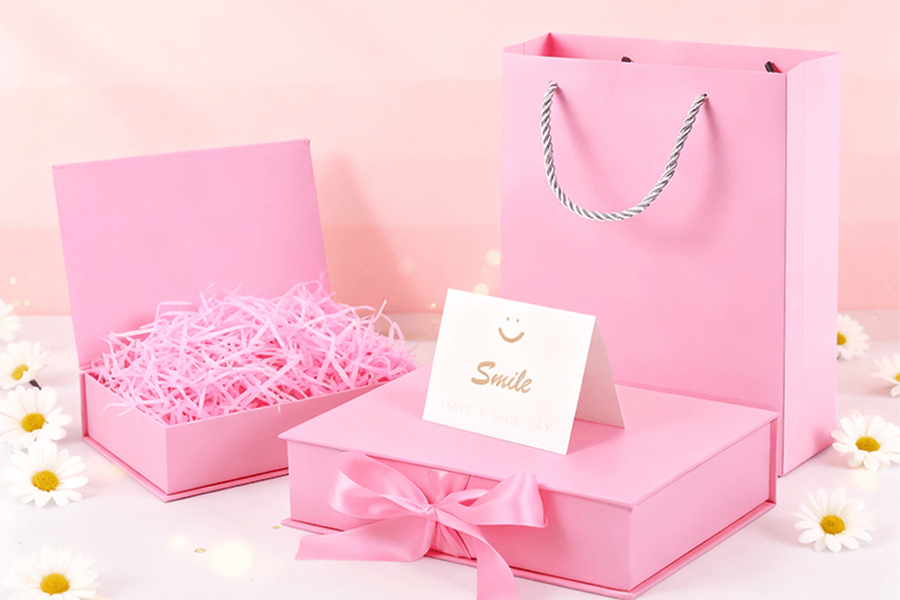

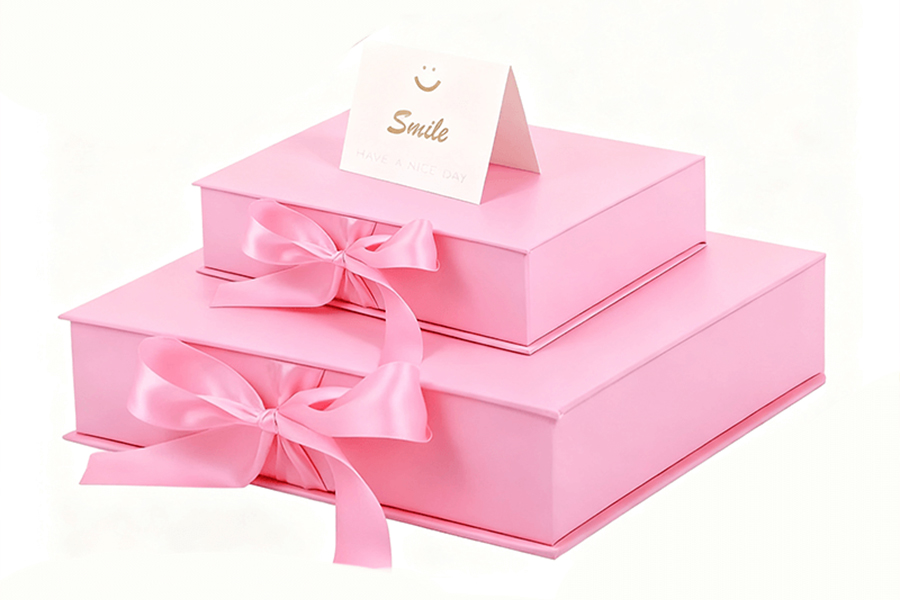
Material mistakes often happen because packaging decisions are separated from engineering, sourcing, printing, and fulfillment. Our role is to connect these decisions early.
Packaging material selection is the process of choosing the right paperboard, rigid board, corrugated board, wrapping paper, coating, and finishing system for a custom packaging project. It connects product protection, print quality, cost, sustainability, and production feasibility.
Folding cartons commonly use SBS, folding boxboard, kraft paperboard, recycled paperboard, or duplex board. The best option depends on print quality, carton strength, retail display needs, product weight, and cost target.
Yes. We can discuss FSC-certified paper, recycled paperboard, kraft paper, and other responsible sourcing options where available. Certification claims and label use should be confirmed before artwork approval and production.
No. You can send your product details, box style, quantity, reference images, and destination market first. We can recommend suitable material options before preparing a formal quotation or sample plan.
Yes. We can recommend premium materials for luxury packaging and more cost-efficient materials for high-volume retail, e-commerce, or wholesale packaging. The goal is to match the material to the business case, not simply choose the most expensive option.
Yes. A material sample or prototype helps confirm stiffness, surface texture, color result, finish effect, insert fit, and assembly performance. It is especially important for premium packaging, export packaging, and new packaging structures.
Custom rigid boxes often use greyboard or chipboard wrapped with coated paper, specialty paper, kraft paper, or textured paper. The right choice depends on product weight, box structure, print design, finish, budget, and brand positioning.
Yes. Material selection can reduce cost by avoiding unnecessary board thickness, simplifying finishes, improving sheet utilization, choosing suitable structures, and reducing freight or storage pressure. Cost reduction should not compromise product protection or required brand presentation.
Share your product details, box style, target quantity, artwork status, destination market, and packaging goal. Our team will recommend suitable materials for your custom boxes, paper packaging, rigid boxes, folding cartons, mailer boxes, paper tubes, shopping bags, or retail displays.
For a faster review, include:
A clear material recommendation helps your team move from idea to dieline, sample, quotation, and production with fewer revisions.