
Innovative Wine Packaging Trends
Discover how **eco-friendly folding cartons** can benefit your business. Learn about sustainable materials, design, and their impact on branding and e-commerce.

Summary
Innovative wine embalagens trends encompass the evolving methodologies and materials used to package wine products, reflecting significant changes in consumer preferences, technological advancements, and sustainability concerns. Traditionally dominated by glass bottles, the wine packaging landscape is now witnessing a surge in alternative formats, such as cans, pouches, and lightweight bottles, driven by a growing demand for convenience and eco-friendly options. This transformation is particularly notable among younger consumers, who prioritize sustainability and convenience, leading to increased sales of boxed and canned wines.
The influence of packaging on a consumer’s decision to purchase wine is profound. The visual appeal of a bottle, including its label design, color, and texture, can significantly impact how a consumer perceives the product’s quality and value. Creative and unique packaging design can create an emotional connection with consumers, making a brand more memorable and fostering brand loyalty. Innovative labeling techniques, such as the use of augmented reality and tactile finishes, are being used to create a more engaging and interactive experience for consumers.
Looking ahead, the future of wine packaging is poised to be shaped by a continued focus on technological innovations and sustainability. The industry is expected to further embrace eco-friendly solutions, such as lightweight glass bottles, recycled materials, and advanced recycling technologies, to minimize its environmental footprint. Additionally, consumer preferences will continue to drive the market, with a growing demand for convenient, portable, and single-serving options. As the market evolves, it is crucial for brands to align their packaging strategies with these trends to remain competitive and appeal to a new generation of wine drinkers.
Historical Context
The history of wine packaging is deeply intertwined with cultural and technological shifts. For centuries, glass bottles have been the standard, a tradition that has significantly influenced consumer perceptions of quality and luxury. However, this traditional approach has evolved over time, influenced by factors such as artistic expression, sustainability concerns, and technological advancements.
Artistic Influences
Historically, wine labels and bottle shapes have served as canvases for artistic expression, with designs often reflecting the cultural and historical heritage of the wine region. These artistic elements have played a crucial role in creating a brand identity and appealing to consumers on an emotional level.
Shift Towards Sustainability
In recent decades, a significant shift has occurred towards more sustainable packaging practices. Driven by growing environmental awareness and consumer demand for eco-friendly products, the wine industry has begun to explore alternatives to traditional, heavy glass bottles. This has led to the adoption of lightweight bottles, as well as new formats like cans and pouches.
Technological Advancements
Technological advancements in printing, materials science, and manufacturing have also played a crucial role in shaping wine packaging. Innovations such as augmented reality labels and improved closures have enhanced both the functionality and aesthetic appeal of wine packaging, allowing for more creative and interactive designs.
Current Trends
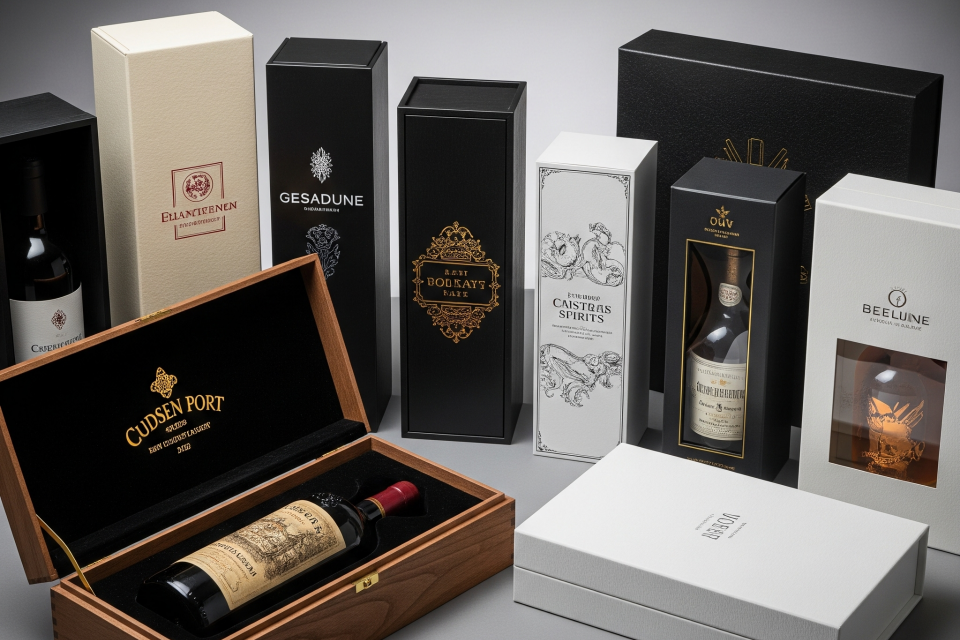
The wine packaging industry is currently undergoing a period of rapid transformation, driven by consumer preferences for convenience, sustainability, and unique brand experiences.
Rise of Alternative Packaging Formats
While glass bottles still dominate, alternative formats are gaining significant market share, particularly among younger consumers. Cans, pouches, and boxed wines are increasingly popular due to their portability, reduced environmental footprint, and suitability for single servings.
Sustainable Packaging Innovations
The industry is embracing sustainable innovations, with a strong focus on minimizing waste and reducing carbon emissions. This includes the use of recycled materials, biodegradable plastics, and lightweight bottle designs. These initiatives not only appeal to eco-conscious consumers but also help brands to meet their corporate social responsibility goals.
Regional Market Growth
The growth of the wine market is not uniform across all regions, with certain markets showing a greater propensity for embracing alternative packaging and sustainable solutions. Understanding these regional dynamics is crucial for brands looking to expand their market share.
Future Outlook
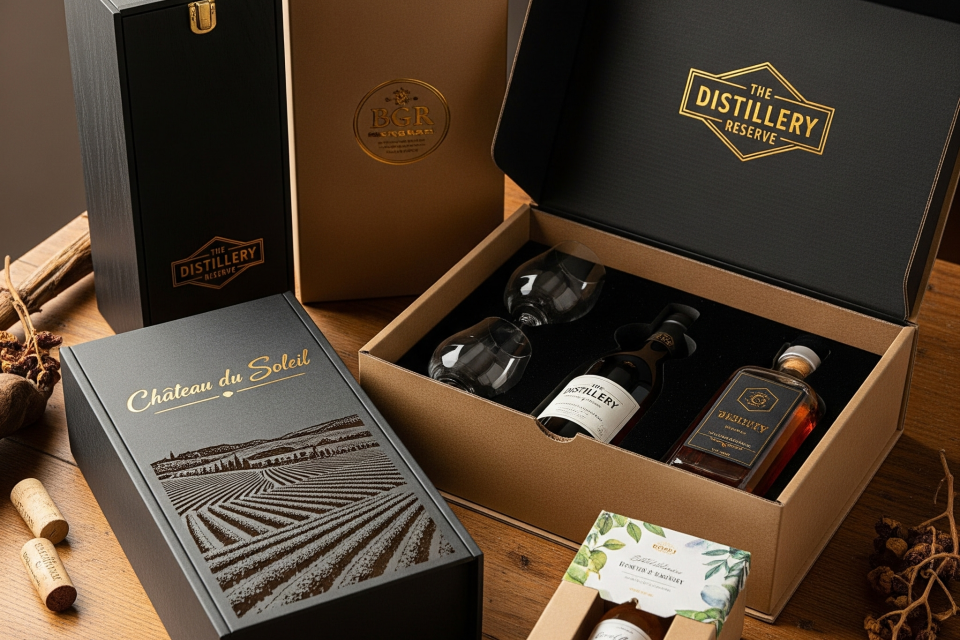
The future of wine packaging will be defined by a continued emphasis on innovation and sustainability.
Technological Innovations
Future trends are likely to include further development of smart labels, which can provide consumers with real-time information about the wine’s origin, freshness, and food pairings through a smartphone scan. Advancements in material science will also lead to more efficient and eco-friendly packaging solutions.
Market Implications
The shift towards sustainable and convenient embalagens will have a significant impact on the market. Brands that successfully adapt to these changes are likely to gain a competitive advantage and increase their market share, particularly among the growing segment of young, eco-conscious consumers. The influence of packaging on consumer purchasing behavior will become even more pronounced as brands compete for attention in a crowded market.
Consumer Preferences and Trends
Consumer preferences will continue to drive the market. There will be a sustained demand for convenient, portable, and single-serving packaging options, as well as for products that are transparent about their sustainability practices.
Case Studies
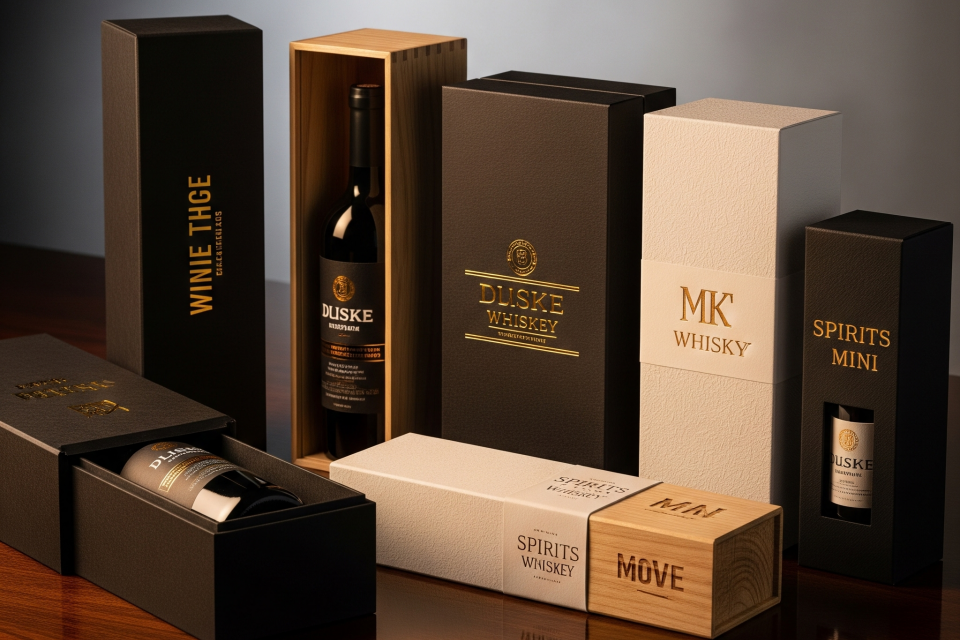
Case studies highlight the successful application of innovative packaging strategies in the wine industry.
Innovative Labeling Techniques
Brands are using innovative labeling techniques to stand out on the shelves and engage consumers. Examples include labels with augmented reality features that tell a brand’s story, and labels with tactile finishes that add a sensory element to the unboxing experience.
Sustainable Packaging Initiatives
Many brands are investing in sustainable packaging initiatives to appeal to eco-conscious consumers. This includes the use of lightweight bottles to reduce carbon emissions during transportation and the adoption of biodegradable materials.
Organic Wine Packaging
The packaging of organic wines often reflects the brand’s commitment to natural and sustainable practices. This can include the use of recycled paper labels, natural cork stoppers, and bottles with a minimalist aesthetic.
Environmental Considerations
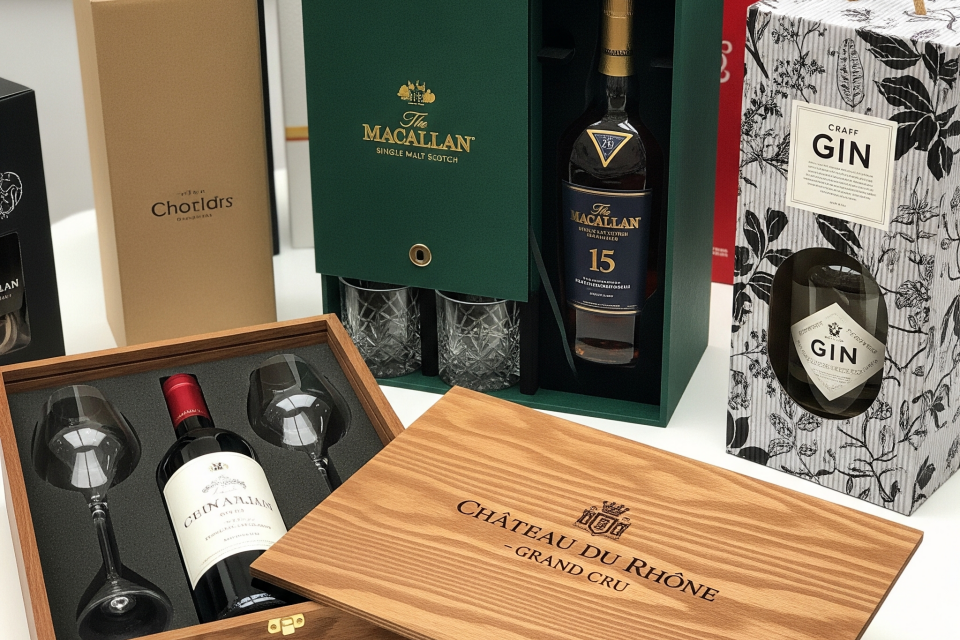
The wine industry is increasingly focused on environmental considerations, particularly in its packaging strategies.
Shift to Eco-Friendly Packaging
There is a clear trend towards a shift to more eco-friendly packaging, with a focus on reducing the industry’s carbon footprint. This is being driven by a combination of regulatory pressures and consumer demand.
Lightweight Design
One of the most effective ways to reduce the environmental impact of wine packaging is to use lightweight bottles. Lightweight bottles require less energy to produce and transport, resulting in a smaller carbon footprint.
Benefits
The benefits of a shift to more sustainable packaging are numerous. In addition to reducing the environmental impact, sustainable packaging can also enhance a brand’s image, appeal to a broader consumer base, and potentially reduce costs in the long run.
Collaboration and Education
The industry is also seeing a rise in collaboration and education initiatives to promote sustainable packaging. Brands are working together with suppliers and retailers to create more efficient supply chains and educate consumers about the benefits of eco-friendly packaging.
Future Outlook
The future of wine packaging will likely involve a continued focus on sustainability, with further innovations in materials and manufacturing processes. The industry will need to continue to adapt to changing consumer preferences and regulatory environments to remain competitive.