
Designing an Impressive PR Kit
This guide details how to create an impressive PR kit. It covers essential components, design strategies, audience targeting, and common pitfalls to avoid.

Summary
A Public Relations (PR) kit is a critical tool for brands and organizations seeking to engage with media professionals and enhance their visibility in a competitive landscape. Designed to provide journalists, influencers, and other media contacts with comprehensive information about a brand, an impressive PR kit serves as a vital resource that can significantly influence public perception and media coverage. This strategic document typically includes essential components such as press releases, backgrounders, fact sheets, and high-quality visuals, all of which work together to present a cohesive and compelling narrative about the brand’s identity and values.
The significance of a well-crafted PR kit lies not only in its ability to communicate a brand’s message but also in its potential to shape relationships with key media figures. Effective kits highlight recent announcements, provide contact information for media inquiries, and showcase the brand’s community involvement, thus reinforcing its image and credibility. Notable elements such as product samples and engaging visuals can further enhance the impact of the kit, allowing for a more immersive experience for the recipient.
Despite the benefits, creating an effective PR kit comes with challenges and potential pitfalls. Common mistakes include overloading the kit with information, neglecting visual appeal, and failing to provide clear objectives. Brands must strive to tailor their messaging to their target audience while maintaining a balance between informative content and engaging design. The success of a PR kit often hinges on its clarity, organization, and relevance to the intended recipients, making it imperative for organizations to adhere to best practices in PR kit design.
In recent years, the evolution of digital media has further transformed the landscape of PR, prompting many brands to consider the benefits of digital kits over traditional physical ones. While digital formats offer ease of updates and enhanced tracking capabilities, the tactile nature of physical kits can create memorable impressions during in-person interactions. Ultimately, the choice between digital and physical formats, as well as the approach to influencer collaborations and audience engagement, plays a pivotal role in the effectiveness of a PR kit in achieving its intended objectives.
Índice
Components of a PR Kit
A well-designed PR kit serves as a vital resource for journalists, influencers, and media contacts, providing comprehensive information about a brand or organization.
Press Releases
An effective PR kit should contain a selection of recent press releases that cover noteworthy events or announcements. These releases should not be older than six months and must be clearly labeled to aid journalists in locating relevant information quickly.
Contact Information
Lastly, providing accurate and easily accessible contact information is essential. The PR kit should specify a primary press contact who journalists can reach out to for inquiries, interviews, or additional information.
By incorporating these components, a PR kit can effectively communicate a brand’s message and facilitate positive media coverage.
Backgrounder
A backgrounder is a document that contains the history of a company, along with biographies of key executives. It supplements press releases by providing a narrative about the company’s story, events, products, services, and milestones. Typically concise, it is usually one to two pages in length and should be updated regularly to maintain accuracy and relevance.
Fact Sheet
The fact sheet is a brief summary focusing on essential information about a product, service, or organization. It serves as a quick reference for reporters, highlighting key characteristics and statistics. Unlike the backgrounder, a fact sheet is more concise and not intended for publication. Commonly, it includes organizational profiles that detail product descriptions, annual revenues, markets served, and other pertinent information.
Staff Bios
Including staff bios with headshots in the PR kit personalizes the organization and highlights its leadership. These bios should detail current roles and emphasize how these individuals can assist the media. Highlighting any previous media appearances or expertise is also beneficial, particularly for those in key positions who may serve as spokespersons.
Product Samples
For brands with physical products, including product samples or promotional items in the PR kit can create a tangible connection. This allows media contacts to experience the product first-hand, which can enhance coverage and reviews.
Visual Assets
High-quality visuals such as images, infographics, and videos are crucial for capturing attention. Including these visual assets not only makes the PR kit more engaging but also aids in conveying the brand message effectively.
Community Involvement
Detailing any corporate social responsibility efforts can enhance the brand’s image and build goodwill with the media and the public. Including information about community involvement in the backgrounder or fact sheet is advisable.
Designing the PR Kit
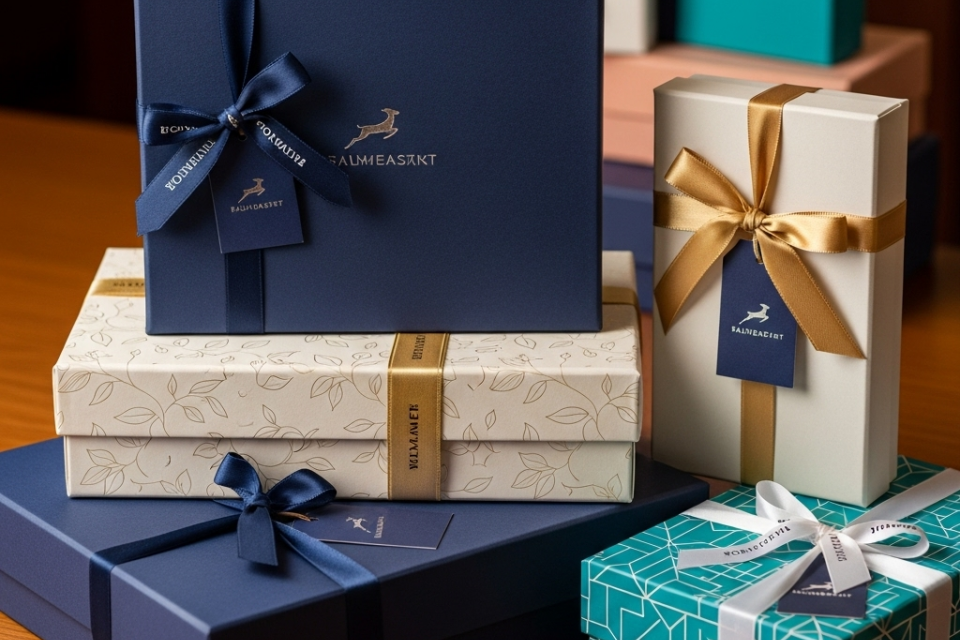
Designing an effective PR kit is crucial for ensuring that it not only captures attention but also communicates the brand’s message effectively. Below are key components and strategies to consider when creating a PR package.
Key Elements of PR Package Design
Branding and Personalization
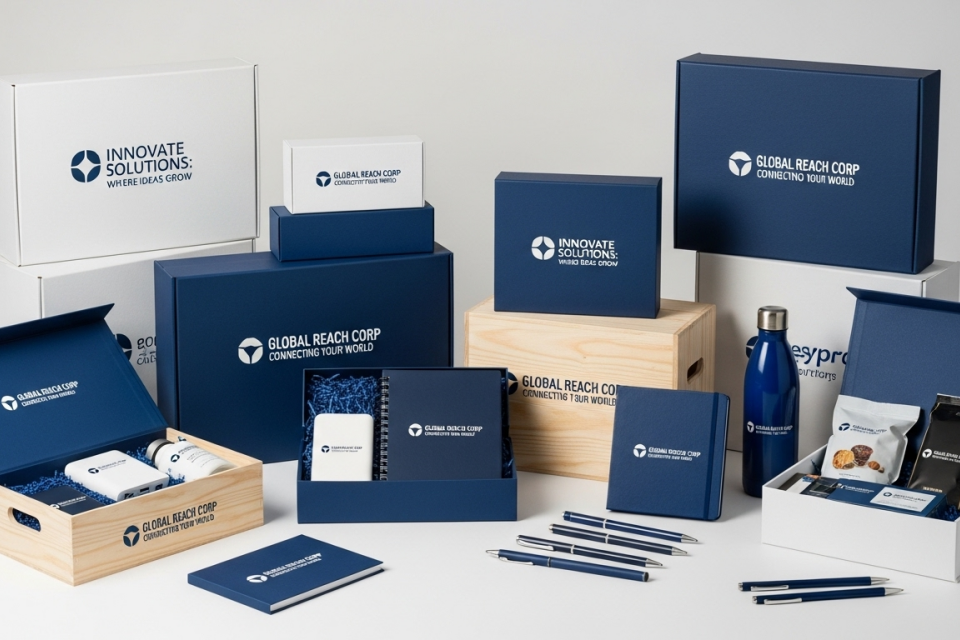
The first step in designing a PR kit is to incorporate strong branding elements. This includes logos, color schemes, and personalized touches that reflect your brand’s identity. Ensuring a consistent representation across all platforms is essential for building brand recognition and trust. Provide high-resolution logo options and raw vector files for journalists to use in their coverage, enhancing visual consistency in media representations.
Attention-Grabbing Visuals
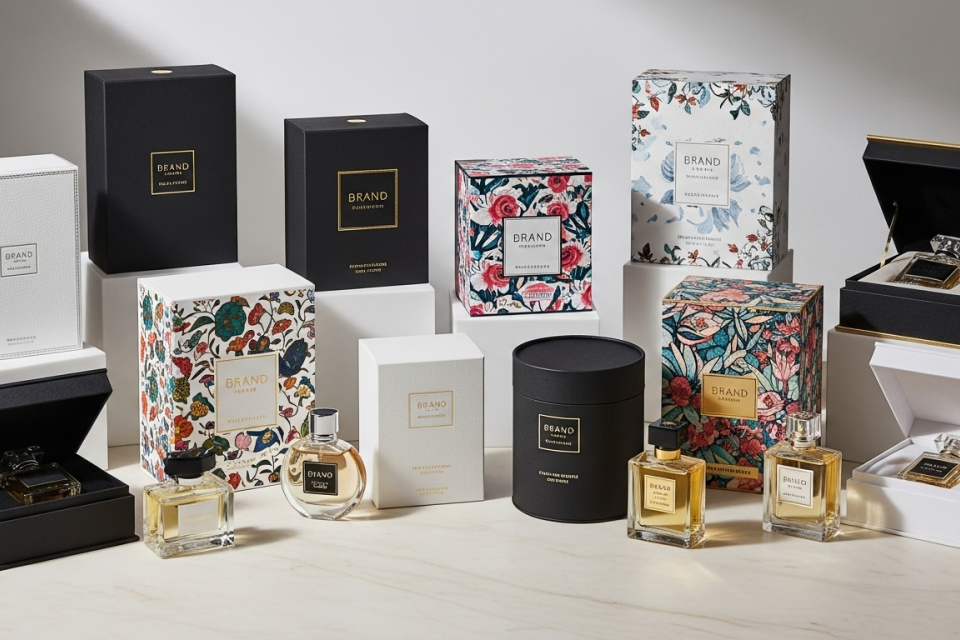
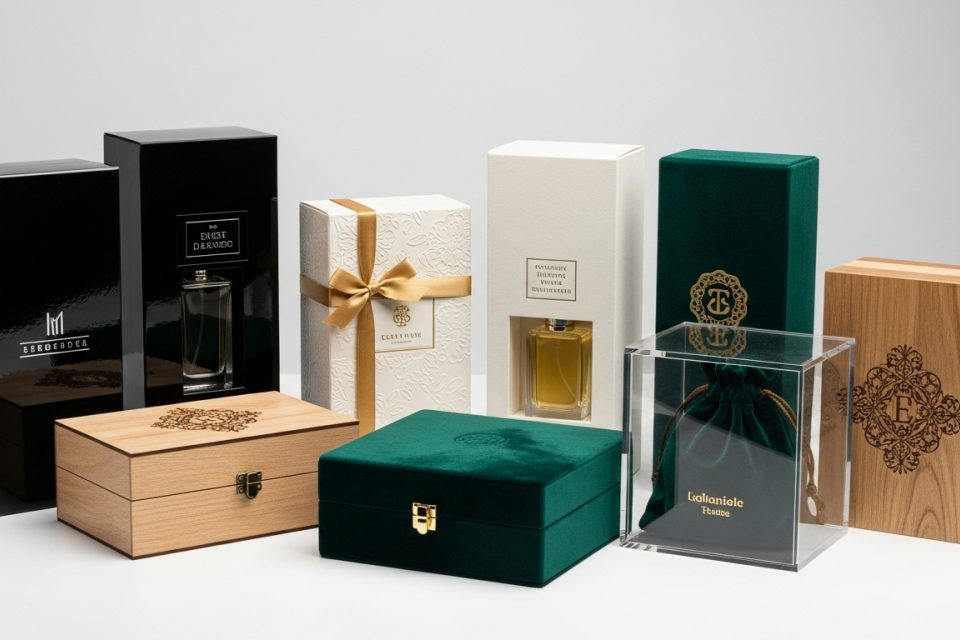
Visual assets play a significant role in attracting attention. High-quality images, infographics, and videos that showcase your brand can make your PR kit stand out. Custom packaging that includes branded elements, such as labels and inserts, not only creates a memorable unboxing experience but also reinforces brand identity, making products more appealing in influencer social media posts.
Product Selection
Choosing the right products to include in the PR package is critical. Select items that resonate with the influencer’s audience and align with your brand values. This thoughtful selection can help generate genuine excitement among recipients and their followers.
Crafting a Lasting Impression
First Impressions Matter
Creating an engaging unboxing experience is vital. Custom elements like branded packaging tape, tissue paper, and personalized cards can elevate the overall presentation and build anticipation as recipients open the package. This attention to detail can significantly impact the perception of your brand.
Concise Information
While the design should be visually appealing, it’s important to keep the information clear and concise. A well-structured media kit should communicate who you are, what you do, and why it matters in a straightforward manner. This clarity will help journalists easily grasp your brand’s narrative and mission.
Digital vs. Physical Media Kits
Advantages of Digital Media Kits
In today’s digital landscape, many brands opt for digital media kits, which provide several advantages over traditional physical kits. Digital formats allow for easy updates, ensuring that information remains current. They also enable better tracking of engagement through analytics, offering insights into how the media interacts with your content.
Considerations for Physical Kits
Although physical press kits may require more effort and resources, they can leave a lasting impact, especially in in-person situations. When crafting physical kits, ensure that they are succinct and impactful, highlighting only key information while maintaining a tangible connection to your brand.
Target Audience
Identifying the target audience is a crucial step in designing an effective PR kit. Understanding who you want to reach—and where they spend their time online—guides the choice of influencers and the content strategy employed in the PR efforts. This process involves creating detailed audience personas that outline key demographics such as age, gender, income level, and education, alongside psychographics that delve into interests, values, and purchasing behavior.
Understanding Your Audience
To tailor messages that resonate and drive action, it is essential to gather qualitative insights through focus groups, surveys, or interviews to learn directly from the audience. Moreover, knowing the media consumption habits of your audience allows for a targeted approach, ensuring that the right channels—whether social media, newsletters, blogs, or traditional media—are chosen for outreach.
Demographic and Psychographic Insights
Developing a strong understanding of core demographics is foundational; however, a deeper exploration into psychographics offers a more nuanced connection with the audience. Factors such as lifestyle, interests, and values are vital to crafting messages that truly resonate.
Utilizing Influencers
Once the target audience is clearly defined, brands can leverage influencers who align with these demographics and psychographics. The ideal influencers not only match the brand’s values but also possess an authentic connection with their audience, which can enhance engagement and drive conversions. As a best practice, brands should prioritize clear communication with influencers to confirm interest and discuss content expectations before initiating partnerships, thereby fostering aligned objectives and minimizing misunderstandings.
Best Practices
Creating an effective PR kit requires careful planning and execution to ensure that it resonates with journalists and enhances your brand’s visibility.
Gather Audience Feedback
To refine your PR strategy, actively seek audience feedback through surveys and social insights. Understanding audience perceptions can help adjust your approach and ensure that your messaging remains relevant and engaging.
Review Metrics Regularly
Analyze key performance indicators (KPIs) such as engagement and media coverage to refine your tactics. Regular reviews will help you identify what is working well and where adjustments may be necessary.
Incorporate Team Input
Collect feedback from your team members to improve the execution of your PR strategy. Diverse perspectives can enhance creativity and effectiveness in your messaging and outreach efforts.
Adjust for Organizational Changes
Stay flexible by updating your PR strategy to reflect any changes in brand focus or organizational goals. This adaptability ensures that your messaging remains aligned with your overall business objectives.
Test New Tactics
Experiment with innovative approaches to keep your PR strategy fresh and effective. Trying new tactics can help you discover what resonates best with your audience.
Create a Flexible Framework
Develop a structure that maintains core objectives while allowing flexibility in execution. This ensures that your team can respond to changes in the landscape while staying organized and focused on delivering measurable results.
Develop a Content Calendar
A well-structured content calendar is essential for organizing all types of content, including social media posts, blogs, and press releases. Include key dates and milestones to keep your messaging timely and relevant, and ensure tasks and deadlines are assigned to maintain accountability.
Measure Your Success
Identify specific metrics to track your PR efforts, such as website traffic, media mentions, and social media engagement. Regularly reviewing these metrics allows you to spot trends and refine your strategy accordingly.
By implementing these best practices, organizations can develop a PR kit that not only enhances their brand image but also effectively engages their target audience.
Common Mistakes
When creating a PR kit, avoiding common pitfalls is crucial to ensure that the kit effectively serves its purpose.
Overloading with Information
One of the most significant errors is providing too much information in the PR kit. While it’s essential to include necessary details, overwhelming the reader can lead to confusion and disengagement. It’s important to be concise and to the point, ensuring that the most relevant information stands out.
Neglecting Visual Appeal
A visually unappealing kit can fail to capture attention. First impressions matter, and a striking design can make a significant difference. It’s important to incorporate high-quality images, infographics, and a professional layout to convey reliability and professionalism.
Lack of Clear Objectives
Failing to establish clear objectives for the PR efforts can hinder the effectiveness of the kit. Without defined goals, such as increasing brand awareness or enhancing credibility, the content may lack focus, making it less compelling to journalists and potential partners.
Insufficient Organization
Poor organization can make it difficult for journalists to navigate the PR kit. Whether digital or printed, the kit should be well-structured, possibly with a table of contents or clear headings, to enhance readability and accessibility.
Missing Contact Information
Not providing clear contact information for media liaisons or PR teams can lead to missed opportunities for coverage. Ensuring that journalists know whom to reach out to for further information is essential for facilitating communication.
Ignoring Audience Relevance
A common mistake is not tailoring the messages to the target audience’s needs and values. It’s vital to ensure that the content resonates with the intended audience, addressing their interests and concerns to pass the “who cares” test.
Skipping the Follow-Up
Finally, failing to follow up after distributing the PR kit can diminish its effectiveness. Maintaining communication with media professionals helps nurture relationships and can increase the likelihood of coverage.
By being aware of these common mistakes, individuals and organizations can enhance their PR kits and maximize their impact in securing media coverage and building partnerships.
Collaboration with Influencers
Collaborating with influencers is a pivotal strategy in designing an impressive PR kit, as it bridges the gap between traditional public relations and contemporary marketing techniques. Influencer partnerships can enhance brand storytelling by leveraging the personal connection influencers have with their audience, making messages more relatable and trustworthy.
Identifying the Right Influencers
The first step in influencer collaboration is identifying individuals whose values and audience align with your brand’s objectives. This involves analyzing audience insights to ensure that an influencer’s metrics reflect a genuine engagement with their followers, rather than just a high follower count. Tools like Modash can assist in evaluating influencers by providing detailed analytics on engagement levels and the authenticity of their audience. Choosing the right influencers is crucial, as those who resonate with your brand can effectively communicate messages that feel cohesive and impactful.
Forms of Collaboration
Once suitable influencers are identified, various collaborative strategies can be employed to enhance PR efforts.
- Exclusive Features: Influencers cover unique angles about your brand in stories.
- Social Media Takeovers: Influencers temporarily manage your brand’s social media accounts to engage their audience directly.
- Product Collaborations: Influencers contribute their unique touch to your products or services, fostering a sense of ownership and authenticity.
- Brand Ambassadorships: Establishing long-term relationships where influencers continuously represent and promote your brand.
These collaborations not only help in creating authentic content but also enable brands to tap into the influencer’s established trust with their audience.
Building Strong Relationships
Effective influencer collaboration is built on clear communication and mutual respect. It is essential to provide influencers with a clear vision of campaign goals while allowing them creative freedom to produce content that resonates with their audience. Regular communication fosters a strong partnership where both parties can share ideas, feedback, and collaborate on content that feels genuine.
Measuring Success
To ensure the effectiveness of influencer partnerships, brands should set clear objectives and performance benchmarks from the outset. This enables both the brand and the influencer to work towards a common goal, facilitating constructive feedback and ensuring accountability. Moreover, brands must adhere to disclosure guidelines to maintain transparency and build trust within the influencer’s audience.
Case Studies
Case studies play a crucial role in enhancing the effectiveness of a PR kit by providing tangible evidence of a company’s impact and success. They serve as a detailed format to showcase how a product or service has positively influenced a customer or client, thus establishing credibility and authority within the industry. By including relevant case studies, brands can demonstrate their problem-solving capabilities and highlight the practical applications of their offerings in real-world scenarios.
Importance of Case Studies
Including case studies in a PR kit is vital for several reasons. Firstly, they allow potential clients and media contacts to see the direct benefits of a brand’s products or services through documented success stories. These narratives not only enhance the company’s reputation but also create trust among stakeholders by providing clear examples of successful outcomes. Moreover, case studies can illustrate a company’s adaptability to various challenges, showcasing its innovative solutions and dedication to client satisfaction.
Crafting Effective Case Studies
When developing case studies for inclusion in a PR kit, it is essential to focus on a structured format that highlights key elements such as the challenge faced by the client, the solutions provided by the company, and the measurable results achieved. High-quality media, such as images or videos, should accompany these case studies to enhance their appeal and make them more engaging for the audience. It is crucial to ensure that these documents maintain a journalistic tone, avoiding promotional language that could undermine their credibility in the eyes of media professionals.
Examples of Successful Case Studies
Successful case studies can feature a variety of formats, including detailed written narratives, video testimonials, and infographics that succinctly convey key information. Brands should consider linking these case studies to the relevant newsworthy events or initiatives they are undertaking, which can further increase their relevance and visibility in media coverage. By effectively presenting case studies within a PR kit, companies can not only inform but also inspire confidence in their potential customers and partners, thereby enhancing their overall public relations strategy.Summary
A Public Relations (PR) kit is a critical tool for brands and organizations seeking to engage with media professionals and enhance their visibility in a competitive landscape. Designed to provide journalists, influencers, and other media contacts with comprehensive information about a brand, an impressive PR kit serves as a vital resource that can significantly influence public perception and media coverage. This strategic document typically includes essential components such as press releases, backgrounders, fact sheets, and high-quality visuals, all of which work together to present a cohesive and compelling narrative about the brand’s identity and values.
The significance of a well-crafted PR kit lies not only in its ability to communicate a brand’s message but also in its potential to shape relationships with key media figures. Effective kits highlight recent announcements, provide contact information for media inquiries, and showcase the brand’s community involvement, thus reinforcing its image and credibility. Notable elements such as product samples and engaging visuals can further enhance the impact of the kit, allowing for a more immersive experience for the recipient.
Despite the benefits, creating an effective PR kit comes with challenges and potential pitfalls. Common mistakes include overloading the kit with information, neglecting visual appeal, and failing to provide clear objectives. Brands must strive to tailor their messaging to their target audience while maintaining a balance between informative content and engaging design. The success of a PR kit often hinges on its clarity, organization, and relevance to the intended recipients, making it imperative for organizations to adhere to best practices in PR kit design.
In recent years, the evolution of digital media has further transformed the landscape of PR, prompting many brands to consider the benefits of digital kits over traditional physical ones. While digital formats offer ease of updates and enhanced tracking capabilities, the tactile nature of physical kits can create memorable impressions during in-person interactions. Ultimately, the choice between digital and physical formats, as well as the approach to influencer collaborations and audience engagement, plays a pivotal role in the effectiveness of a PR kit in achieving its intended objectives.
Components of a PR Kit
A well-designed PR kit serves as a vital resource for journalists, influencers, and media contacts, providing comprehensive information about a brand or organization.
Press Releases
An effective PR kit should contain a selection of recent press releases that cover noteworthy events or announcements. These releases should not be older than six months and must be clearly labeled to aid journalists in locating relevant information quickly.
Contact Information
Lastly, providing accurate and easily accessible contact information is essential. The PR kit should specify a primary press contact who journalists can reach out to for inquiries, interviews, or additional information.
By incorporating these components, a PR kit can effectively communicate a brand’s message and facilitate positive media coverage.
Backgrounder
A backgrounder is a document that contains the history of a company, along with biographies of key executives. It supplements press releases by providing a narrative about the company’s story, events, products, services, and milestones. Typically concise, it is usually one to two pages in length and should be updated regularly to maintain accuracy and relevance.
Fact Sheet
The fact sheet is a brief summary focusing on essential information about a product, service, or organization. It serves as a quick reference for reporters, highlighting key characteristics and statistics. Unlike the backgrounder, a fact sheet is more concise and not intended for publication. Commonly, it includes organizational profiles that detail product descriptions, annual revenues, markets served, and other pertinent information.
Staff Bios
Including staff bios with headshots in the PR kit personalizes the organization and highlights its leadership. These bios should detail current roles and emphasize how these individuals can assist the media. Highlighting any previous media appearances or expertise is also beneficial, particularly for those in key positions who may serve as spokespersons.
Product Samples
For brands with physical products, including product samples or promotional items in the PR kit can create a tangible connection. This allows media contacts to experience the product first-hand, which can enhance coverage and reviews.
Visual Assets
High-quality visuals such as images, infographics, and videos are crucial for capturing attention. Including these visual assets not only makes the PR kit more engaging but also aids in conveying the brand message effectively.
Community Involvement
Detailing any corporate social responsibility efforts can enhance the brand’s image and build goodwill with the media and the public. Including information about community involvement in the backgrounder or fact sheet is advisable.
Designing the PR Kit
Designing an effective PR kit is crucial for ensuring that it not only captures attention but also communicates the brand’s message effectively. Below are key components and strategies to consider when creating a PR package.
Key Elements of PR Package Design
Branding and Personalization
The first step in designing a PR kit is to incorporate strong branding elements. This includes logos, color schemes, and personalized touches that reflect your brand’s identity. Ensuring a consistent representation across all platforms is essential for building brand recognition and trust. Provide high-resolution logo options and raw vector files for journalists to use in their coverage, enhancing visual consistency in media representations.
Attention-Grabbing Visuals
Visual assets play a significant role in attracting attention. High-quality images, infographics, and videos that showcase your brand can make your PR kit stand out. Custom packaging that includes branded elements, such as labels and inserts, not only creates a memorable unboxing experience but also reinforces brand identity, making products more appealing in influencer social media posts.
Product Selection
Choosing the right products to include in the PR package is critical. Select items that resonate with the influencer’s audience and align with your brand values. This thoughtful selection can help generate genuine excitement among recipients and their followers.
Crafting a Lasting Impression
First Impressions Matter
Creating an engaging unboxing experience is vital. Custom elements like branded packaging tape, tissue paper, and personalized cards can elevate the overall presentation and build anticipation as recipients open the package. This attention to detail can significantly impact the perception of your brand.
Concise Information
While the design should be visually appealing, it’s important to keep the information clear and concise. A well-structured media kit should communicate who you are, what you do, and why it matters in a straightforward manner. This clarity will help journalists easily grasp your brand’s narrative and mission.
Digital vs. Physical Media Kits
Advantages of Digital Media Kits
In today’s digital landscape, many brands opt for digital media kits, which provide several advantages over traditional physical kits. Digital formats allow for easy updates, ensuring that information remains current. They also enable better tracking of engagement through analytics, offering insights into how the media interacts with your content.
Considerations for Physical Kits
Although physical press kits may require more effort and resources, they can leave a lasting impact, especially in in-person situations. When crafting physical kits, ensure that they are succinct and impactful, highlighting only key information while maintaining a tangible connection to your brand.
Target Audience
Identifying the target audience is a crucial step in designing an effective PR kit. Understanding who you want to reach—and where they spend their time online—guides the choice of influencers and the content strategy employed in the PR efforts. This process involves creating detailed audience personas that outline key demographics such as age, gender, income level, and education, alongside psychographics that delve into interests, values, and purchasing behavior.
Understanding Your Audience
To tailor messages that resonate and drive action, it is essential to gather qualitative insights through focus groups, surveys, or interviews to learn directly from the audience. Moreover, knowing the media consumption habits of your audience allows for a targeted approach, ensuring that the right channels—whether social media, newsletters, blogs, or traditional media—are chosen for outreach.
Demographic and Psychographic Insights
Developing a strong understanding of core demographics is foundational; however, a deeper exploration into psychographics offers a more nuanced connection with the audience. Factors such as lifestyle, interests, and values are vital to crafting messages that truly resonate.
Utilizing Influencers
Once the target audience is clearly defined, brands can leverage influencers who align with these demographics and psychographics. The ideal influencers not only match the brand’s values but also possess an authentic connection with their audience, which can enhance engagement and drive conversions. As a best practice, brands should prioritize clear communication with influencers to confirm interest and discuss content expectations before initiating partnerships, thereby fostering aligned objectives and minimizing misunderstandings.
Best Practices
Creating an effective PR kit requires careful planning and execution to ensure that it resonates with journalists and enhances your brand’s visibility.
Gather Audience Feedback
To refine your PR strategy, actively seek audience feedback through surveys and social insights. Understanding audience perceptions can help adjust your approach and ensure that your messaging remains relevant and engaging.
Review Metrics Regularly
Analyze key performance indicators (KPIs) such as engagement and media coverage to refine your tactics. Regular reviews will help you identify what is working well and where adjustments may be necessary.
Incorporate Team Input
Collect feedback from your team members to improve the execution of your PR strategy. Diverse perspectives can enhance creativity and effectiveness in your messaging and outreach efforts.
Adjust for Organizational Changes
Stay flexible by updating your PR strategy to reflect any changes in brand focus or organizational goals. This adaptability ensures that your messaging remains aligned with your overall business objectives.
Test New Tactics
Experiment with innovative approaches to keep your PR strategy fresh and effective. Trying new tactics can help you discover what resonates best with your audience.
Create a Flexible Framework
Develop a structure that maintains core objectives while allowing flexibility in execution. This ensures that your team can respond to changes in the landscape while staying organized and focused on delivering measurable results.
Develop a Content Calendar
A well-structured content calendar is essential for organizing all types of content, including social media posts, blogs, and press releases. Include key dates and milestones to keep your messaging timely and relevant, and ensure tasks and deadlines are assigned to maintain accountability.
Measure Your Success
Identify specific metrics to track your PR efforts, such as website traffic, media mentions, and social media engagement. Regularly reviewing these metrics allows you to spot trends and refine your strategy accordingly.
By implementing these best practices, organizations can develop a PR kit that not only enhances their brand image but also effectively engages their target audience.
Common Mistakes
When creating a PR kit, avoiding common pitfalls is crucial to ensure that the kit effectively serves its purpose.
Overloading with Information
One of the most significant errors is providing too much information in the PR kit. While it’s essential to include necessary details, overwhelming the reader can lead to confusion and disengagement. It’s important to be concise and to the point, ensuring that the most relevant information stands out.
Neglecting Visual Appeal
A visually unappealing kit can fail to capture attention. First impressions matter, and a striking design can make a significant difference. It’s important to incorporate high-quality images, infographics, and a professional layout to convey reliability and professionalism.
Lack of Clear Objectives
Failing to establish clear objectives for the PR efforts can hinder the effectiveness of the kit. Without defined goals, such as increasing brand awareness or enhancing credibility, the content may lack focus, making it less compelling to journalists and potential partners.
Insufficient Organization
Poor organization can make it difficult for journalists to navigate the PR kit. Whether digital or printed, the kit should be well-structured, possibly with a table of contents or clear headings, to enhance readability and accessibility.
Missing Contact Information
Not providing clear contact information for media liaisons or PR teams can lead to missed opportunities for coverage. Ensuring that journalists know whom to reach out to for further information is essential for facilitating communication.
Ignoring Audience Relevance
A common mistake is not tailoring the messages to the target audience’s needs and values. It’s vital to ensure that the content resonates with the intended audience, addressing their interests and concerns to pass the “who cares” test.
Skipping the Follow-Up
Finally, failing to follow up after distributing the PR kit can diminish its effectiveness. Maintaining communication with media professionals helps nurture relationships and can increase the likelihood of coverage.
By being aware of these common mistakes, individuals and organizations can enhance their PR kits and maximize their impact in securing media coverage and building partnerships.
Collaboration with Influencers
Collaborating with influencers is a pivotal strategy in designing an impressive PR kit, as it bridges the gap between traditional public relations and contemporary marketing techniques. Influencer partnerships can enhance brand storytelling by leveraging the personal connection influencers have with their audience, making messages more relatable and trustworthy.
Identifying the Right Influencers
The first step in influencer collaboration is identifying individuals whose values and audience align with your brand’s objectives. This involves analyzing audience insights to ensure that an influencer’s metrics reflect a genuine engagement with their followers, rather than just a high follower count. Tools like Modash can assist in evaluating influencers by providing detailed analytics on engagement levels and the authenticity of their audience. Choosing the right influencers is crucial, as those who resonate with your brand can effectively communicate messages that feel cohesive and impactful.
Forms of Collaboration
Once suitable influencers are identified, various collaborative strategies can be employed to enhance PR efforts.
- Exclusive Features: Influencers cover unique angles about your brand in stories.
- Social Media Takeovers: Influencers temporarily manage your brand’s social media accounts to engage their audience directly.
- Product Collaborations: Influencers contribute their unique touch to your products or services, fostering a sense of ownership and authenticity.
- Brand Ambassadorships: Establishing long-term relationships where influencers continuously represent and promote your brand.
These collaborations not only help in creating authentic content but also enable brands to tap into the influencer’s established trust with their audience.
Building Strong Relationships
Effective influencer collaboration is built on clear communication and mutual respect. It is essential to provide influencers with a clear vision of campaign goals while allowing them creative freedom to produce content that resonates with their audience. Regular communication fosters a strong partnership where both parties can share ideas, feedback, and collaborate on content that feels genuine.
Measuring Success
To ensure the effectiveness of influencer partnerships, brands should set clear objectives and performance benchmarks from the outset. This enables both the brand and the influencer to work towards a common goal, facilitating constructive feedback and ensuring accountability. Moreover, brands must adhere to disclosure guidelines to maintain transparency and build trust within the influencer’s audience.
Case Studies
Case studies play a crucial role in enhancing the effectiveness of a PR kit by providing tangible evidence of a company’s impact and success. They serve as a detailed format to showcase how a product or service has positively influenced a customer or client, thus establishing credibility and authority within the industry. By including relevant case studies, brands can demonstrate their problem-solving capabilities and highlight the practical applications of their offerings in real-world scenarios.
Importance of Case Studies
Including case studies in a PR kit is vital for several reasons. Firstly, they allow potential clients and media contacts to see the direct benefits of a brand’s products or services through documented success stories. These narratives not only enhance the company’s reputation but also create trust among stakeholders by providing clear examples of successful outcomes. Moreover, case studies can illustrate a company’s adaptability to various challenges, showcasing its innovative solutions and dedication to client satisfaction.
Crafting Effective Case Studies
When developing case studies for inclusion in a PR kit, it is essential to focus on a structured format that highlights key elements such as the challenge faced by the client, the solutions provided by the company, and the measurable results achieved. High-quality media, such as images or videos, should accompany these case studies to enhance their appeal and make them more engaging for the audience. It is crucial to ensure that these documents maintain a journalistic tone, avoiding promotional language that could undermine their credibility in the eyes of media professionals.
Examples of Successful Case Studies
Successful case studies can feature a variety of formats, including detailed written narratives, video testimonials, and infographics that succinctly convey key information. Brands should consider linking these case studies to the relevant newsworthy events or initiatives they are undertaking, which can further increase their relevance and visibility in media coverage. By effectively presenting case studies within a PR kit, companies can not only inform but also inspire confidence in their potential customers and partners, thereby enhancing their overall public relations strategy.