
Products That Fit Best in Paper Tubes
This article provides a complete overview of paper tube packaging, detailing its benefits, common applications, and its advantages as a sustainable choice.

Samenvatting
Paper tubes are versatile and eco-friendly packaging solutions utilized across various industries, ranging from food and beverage to cosmetics and consumer goods. Their cost-effectiveness, lightweight nature, and customization options have contributed to their growing popularity as alternatives to traditional packaging materials like plastic and metal. As the demand for sustainable packaging increases, paper tubes are increasingly seen as a viable solution for businesses looking to reduce their environmental impact while meeting consumer preferences for recyclable and biodegradable products.
The significance of paper tubes lies in their ability to provide durable and protective packaging, making them suitable for a wide range of applications. They effectively safeguard contents during transportation and storage, and their design can be tailored to meet specific needs, enhancing their marketability. Additionally, paper tubes have gained traction in sectors such as apparel, where their aesthetic appeal and branding potential are highly valued.
While the benefits of paper tubes are notable, several challenges and controversies also exist. Critics point to their vulnerability to moisture and physical damage compared to more robust materials like plastic and metal, which can limit their applicability for certain products. Moreover, fluctuations in raw material prices and regulatory hurdles may hinder the growth of the paper tube market, creating uncertainty for manufacturers and consumers alike.
Overall, the rising consumer focus on sustainability, coupled with innovative advancements in paper tube design and functionality, suggests a promising future for this packaging solution. With projections estimating substantial market growth driven by eco-friendly innovations and increased demand for sustainable practices, paper tubes are poised to become a cornerstone in the evolution of packaging materials.
Inhoudsopgave
Benefits of Paper Tubes
Paper tubes offer a variety of advantages that make them an appealing choice for businesses and consumers alike. Their unique properties contribute to their widespread adoption across multiple industries, ranging from packaging to construction.
Cost-Effectiveness
One of the primary benefits of paper tubes is their cost-effectiveness. They are approximately 60% cheaper than traditional packaging materials such as plastic, wood, and metal. This significant cost reduction not only allows businesses to save money but also enables them to offer more competitive prices to customers. Additionally, the lightweight nature of paper tubes results in lower shipping costs, further enhancing their economic appeal.
Lightweight and Durable
Despite being lightweight, paper tubes are remarkably durable, effectively protecting their contents during storage and transportation. Their reduced weight compared to materials like glass and metal allows for more efficient shipping, as more goods can be transported in a single trip. This aspect is beneficial both environmentally and economically, as it minimizes carbon emissions associated with transportation.
Eco-Friendly and Recyclable
Paper tubes are an eco-friendly packaging option, as they are recyclable and biodegradable. Unlike plastic tubes, which contribute to landfill waste and environmental degradation, paper tubes decompose naturally, thus reducing their long-term impact on the environment. The increasing focus on sustainability has made paper tubes a favorable alternative in sectors aiming to decrease their ecological footprint. Regulatory trends are pushing businesses towards more sustainable practices, making paper tubes an attractive option for companies looking to improve their environmental impact.
Customization Options
The versatility of paper tubes is another significant advantage. They can be customized in various sizes, shapes, colors, and finishes to suit a wide range of products and branding needs. This ability to tailor the product enhances its marketability and ensures that businesses can meet specific packaging requirements effectively.
Key Properties
Paper tubes are designed to withstand considerable pressure and provide excellent protection for the items they encase. Their layered construction can be adjusted to enhance strength, with options for adding protective coatings that further improve durability. This adaptability makes paper tubes suitable for diverse applications, from packaging delicate items to serving as structural components in construction.
Market Opportunities
As the demand for sustainable packaging solutions grows, paper tubes are increasingly being accepted as substitutes for plastic in various sectors, including food, cosmetics, and e-commerce. This shift presents numerous market opportunities for manufacturers to innovate and provide robust, moisture-resistant paper-based solutions that can compete with traditional plastic packaging.
Products Commonly Packaged in Paper Tubes
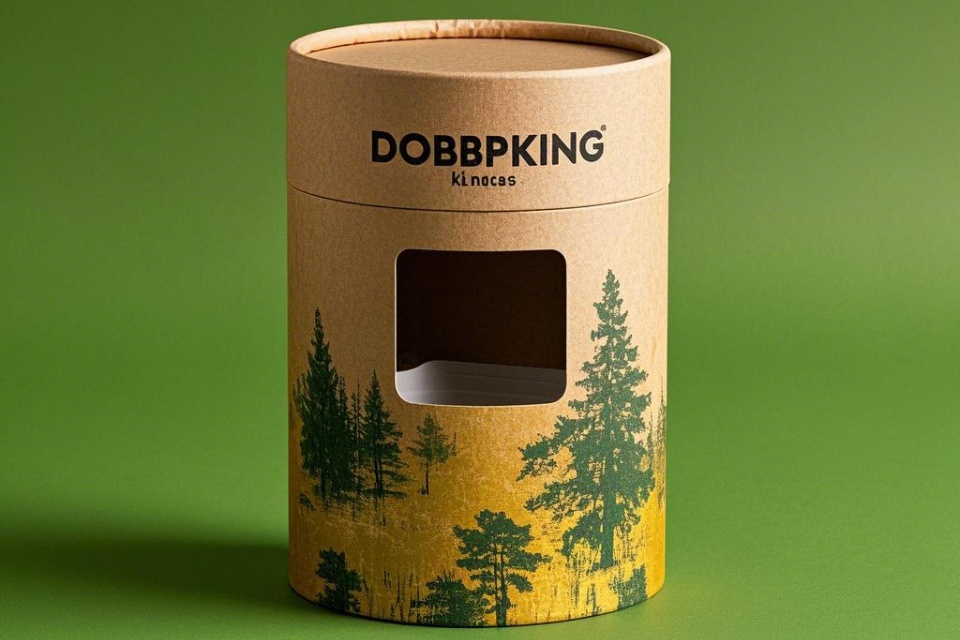
Paper tubes are versatile packaging solutions that cater to a wide range of products across various industries. Their eco-friendly properties, combined with customization options, make them increasingly popular for packaging numerous items.
Food and Beverage Products
One of the most significant applications of paper tubes is in the food and beverage industry. They are commonly used to package dry goods such as snacks, coffee, tea, chocolate, and powdered ingredients like protein powders and baking mixes. Their ability to provide a safe, airtight seal makes them suitable for products requiring extended shelf life and protection from moisture or contamination. The demand for sustainable packaging in this sector has led to a surge in the adoption of paper tubes as an alternative to traditional plastic and metal containers.
Health and Beauty Items
The health and beauty sector also extensively utilizes paper tubes for packaging products like cosmetica, skincare items, and personal care goods. For instance, paperboard tubes are often employed for lip balms, deodorants, and other beauty products that benefit from their lightweight and recyclable nature. The customizability of paper tubes, including greaseproof and moisture-resistant linings, ensures that they are functional for this application while maintaining aesthetic appeal.
Apparel and Fashion
In the apparel industry, paper tubes are used for packaging items such as clothing, accessories, and luxury goods. Their stylish appearance and ability to be printed with unique designs make them an attractive option for brands looking to enhance their product presentation while promoting sustainability. The strong structure of paper tubes allows for the protection of delicate items during transport and storage.
Consumer Goods
Paper tubes are also gaining traction in the consumer goods market, where they serve as packaging for a variety of products including candles, toys, and household items. Their adaptability in terms of size, print, and color provides brands with a distinctive marketing tool that stands out on store shelves, appealing to environmentally conscious consumers.
Specialty Applications
Beyond traditional packaging roles, paper tubes are utilized in specialized applications such as construction, manufacturing, and transportation processes. Their strength and biodegradable properties position them as essential components in various industrial contexts, addressing the growing need for sustainable solutions. Additionally, paper cores are commonly used in products like paper towels and gift wrap, showcasing the versatility of paper tube materials in everyday items.
Comparison with Other Packaging Materials
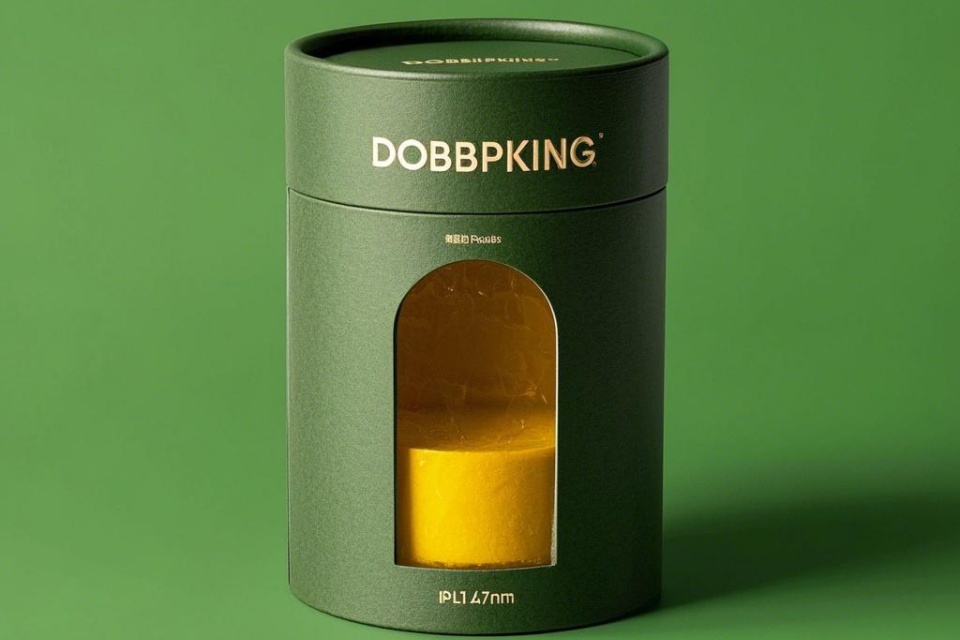
Paper tubes offer several advantages over traditional packaging materials such as plastic, glass, and metal. Their eco-friendly nature is one of the most significant benefits, as they are often made from recycled materials and are fully recyclable themselves, contributing to a circular economy and reducing landfill waste. In contrast, plastic packaging, particularly single-use plastics, poses environmental challenges due to its long decomposition time and reliance on non-renewable resources.
Environmental Impact
The environmental impact of packaging is a crucial consideration for consumers and manufacturers alike. While plastic packaging can lead to significant carbon emissions throughout its lifecycle, paper tubes generally have a lower carbon footprint, especially when made from recycled content. The production of paper tubes tends to be less resource-intensive compared to plastics, although it is not without its own environmental concerns, such as high water and energy usage during manufacturing. Despite this, the increasing regulatory push towards biodegradable and recyclable solutions has led to a growing preference for paper over plastic.
Cost Considerations
From a cost perspective, paper tubes can be more economical than metal or glass alternatives, making them a favorable choice for high-volume applications like mailing and packaging. The production costs for customized paper tubes may be higher than for standard plastic or glass packaging; however, their lightweight nature often results in lower shipping costs, further enhancing their cost-effectiveness in the supply chain.
Customizability and Versatility
When it comes to customizability, paper tubes are highly adaptable, available in various sizes, diameters, and strengths to suit different applications, such as cosmetics, food, and industrial goods. While glass and metal containers can also be customized, the processes may be more limited and costly, particularly for smaller production runs. The ability of paper tubes to provide structural support while maintaining a visually appealing design makes them an attractive option for brand differentiation and consumer appeal.
Consumer Perception and Market Trends
Consumer perception is shifting towards sustainability, with many individuals preferring packaging that aligns with their environmental values. Although eco-friendly packaging is generally well-received, manufacturers must educate consumers on the benefits of paper tubes to ensure they understand their advantages over traditional materials. The rise of e-commerce has further amplified the demand for protective and visually appealing packaging solutions, positioning paper tubes as a key player in the evolving market landscape.

Innovations in Paper Tube Design
Overview of Advancements
Innovations in paper tube design have significantly transformed their applications across various industries. Recent advances focus on enhancing durability, customization, and environmental sustainability, making paper tubes a preferred choice for many packaging solutions. The ongoing development of biodegradable coatings and material reinforcements aims to improve the strength and moisture resistance of these products, further broadening their usability in diverse contexts.
Customization and Aesthetic Appeal
One of the key innovations in paper tube design is the ability to customize dimensions, colors, and finishes. Manufacturers now offer paper tubes in various sizes, catering to different needs, from small tubes for cosmetics to larger ones for shipping goods. The aesthetic appeal is enhanced through advanced printing technologies that allow for premium graphics, barcodes, and eco-friendly inks, making these tubes not just functional but also attractive marketing tools for brands.
Sustainability Focus
Sustainability is at the forefront of innovations in paper tube design. Manufacturers are increasingly adopting recyclable and biodegradable materials, such as FSC-certified paperboard and water-based adhesives, to create eco-friendly packaging solutions. This shift reduces reliance on plastic and minimizes carbon emissions, addressing the growing consumer demand for environmentally responsible products. The development of lightweight and stackable designs also contributes to reducing shipping emissions, making them an attractive option for brands looking to improve their ecological footprint.
Enhanced Functionality
To meet the demands of various applications, innovations have led to the incorporation of additional features such as waterproof linings and tamper-evident closures. These enhancements provide better protection against moisture, humidity, and chemical exposure, making paper tubes suitable for mailing, shipping, and industrial storage needs. Furthermore, options for ergonomic handles and carrying straps on larger tubes improve convenience for users, thereby enhancing the overall functionality of paper tubes in different settings.

Future Trends
The paper tubes and cores market is poised for significant evolution, driven by multiple factors including technological advancements, sustainability concerns, and changing consumer behaviors. As the demand for eco-friendly packaging solutions increases, the paper tubes market is expected to grow substantially, with projections estimating a market value of USD 3.5 billion by 2033, reflecting a compound annual growth rate (CAGR) of 6% from 2025 to 2033.
Sustainability and Eco-Friendly Innovations
A key trend shaping the future of the paper tubes market is the emphasis on sustainability. Consumers are becoming increasingly environmentally conscious, with a growing preference for products that minimize environmental impact. Reports indicate that 86% of U.S. customers consider sustainability when making purchasing decisions. This shift in consumer behavior is prompting manufacturers to invest in eco-friendly materials and production processes, such as biodegradable coatings and sustainable sourcing of raw materials. The packaging sector, in particular, is seeing a marked increase in demand for sustainable solutions, which are expected to reach a global market size of USD 490 billion by 2034.
Technological Advancements
Technological innovations are also playing a crucial role in the evolution of paper tubes. Advances in manufacturing technologies, including automation and high-precision techniques, enable the production of paper tubes that meet diverse application needs across various industries such as automotive, construction, and electronics. Furthermore, the development of customized solutions—such as varying thicknesses and strengths—has expanded the versatility of paper tubes, allowing them to cater to a broader range of applications.
Growth in Emerging Markets
The Asia-Pacific region is leading the charge in the paper tubes market, with rapid industrialization and a burgeoning e-commerce sector driving demand. China, in particular, is a lucrative market, accounting for a significant share in East Asia due to its expanding environmental regulations and strong growth in e-commerce. Additionally, Latin America is identified as the fastest-growing segment within the market, highlighting opportunities for expansion in emerging regions.
Consumer Education and Perception
While the trend toward sustainable packaging is promising, educating consumers about the benefits and advantages of paper tubes is essential. As consumers become more aware of the environmental implications of their choices, initiatives aimed at improving consumer perception of paper tubes as a viable packaging option will be critical for market growth.
Challenges and Limitations
The use of paper tubes as a packaging solution presents various challenges and limitations that can impact their effectiveness in certain applications.
Market Restraints
Several significant restraining factors hinder the growth of the paper tubes and cores market. Stringent government regulations, issues regarding the recyclability of plastic, and fluctuations in raw material prices are among the primary challenges facing manufacturers in this sector. Additionally, the volatility in raw material prices, particularly for paperboard and kraft paper, can create uncertainties for production costs, affecting the profitability of manufacturers, especially smaller players operating on tighter margins.
Technological Limitations
While advancements in digital printing have improved the quality and customization options for paper tube packaging, there are still technological limitations in printing and finishing capabilities. Certain complex designs or specialty finishes may be difficult to achieve with current technologies, necessitating further investment in research and development. These technological barriers can restrict the application scope of paper tube packaging across diverse industries.
Physical Vulnerabilities
Paper tubes, despite their eco-friendliness, are generally more vulnerable to moisture and mechanical damage than plastic or metal alternatives. Their structural integrity may be compromised under rough handling or extreme weather conditions, which limits their reliability for transporting heavy or high-value goods over long distances. Furthermore, they may not meet the durability requirements for specific industrial or construction-related applications, reducing their overall utility in those sectors.
Moisture Resistance Issues
Although some paper tubes are designed with moisture-resistant properties, they are not completely waterproof, which can be a disadvantage for packaging liquid-specific items. Manufacturers may apply interior linings to enhance moisture resistance, but this does not guarantee protection against extreme conditions. As a result, the structural integrity of paper tubes may not always be suitable for sensitive or high-value products that require robust packaging solutions.
Competition from Alternative Materials
The competition from alternative verpakkingsmaterialen such as plastic, metal, and composites poses a challenge for the paper tubes market. These materials often offer greater durability and strength, making them more suitable for certain applications where paper-based packaging might not be viable. Continuous innovation is required to enhance the strength and durability of paper tubes to compete effectively with these alternatives.