
Sustainable Jewelry Packaging
Explore sustainable jewelry packaging. Learn how eco-friendly materials and smart design build brand trust while minimizing environmental impact for a greener future.

Summary
Sustainable jewelry packaging refers to eco-friendly solutions designed to minimize the environmental impact of packaging used in the jewelry industry. This approach has gained significant traction as consumer awareness of sustainability issues has risen, prompting both brands and consumers to seek alternatives to traditional packaging materials, which often contribute to waste and pollution. Notably, sustainable packaging encompasses the use of renewable, recyclable, and biodegradable materials, such as recycled paper, natural fibers, and innovative bioplastics, aligning with global initiatives aimed at promoting responsible consumption and reducing environmental footprints.
The shift toward sustainable packaging in the jewelry sector is notable not only for its environmental implications but also for its influence on brand reputation and consumer engagement. Brands that adopt eco-friendly practices often enhance their credibility, resonate more effectively with environmentally conscious customers, and enjoy increased loyalty and trust. This transition is further supported by emerging regulatory pressures and consumer preferences that favor transparency and ethical practices in business operations, making sustainability a strategic advantage in a competitive market.
Despite its benefits, the adoption of sustainable jewelry packaging is not without challenges. Companies often face hurdles related to sourcing biodegradable materials, balancing costs, and ensuring compliance with evolving regulations. Furthermore, the prevalence of greenwashing poses a risk, as consumers become increasingly discerning about genuine sustainability claims versus superficial marketing tactics. Nonetheless, the ongoing innovation in materials and packaging design continues to drive the industry towards more sustainable practices, promising a future where eco-conscious choices are the norm rather than the exception.
Sommario
Historical Context
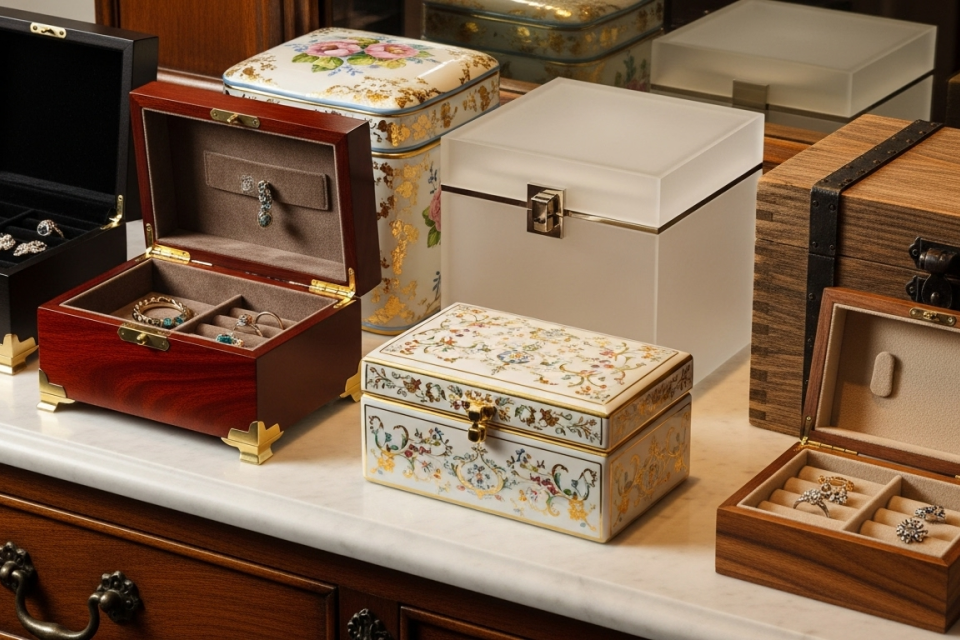
The evolution of jewelry packaging has undergone significant transformations influenced by cultural shifts, consumer preferences, and environmental awareness. Historically, jewelry packaging served not only a functional purpose but also a symbolic one, often reflecting the opulence and lusso associated with the jewelry itself. In the past, elaborate packaging made from high-quality materials such as velvet and ornate boxes were standard, emphasizing the grandeur of the jewelry they contained. However, this traditional approach has been increasingly scrutinized due to its environmental implications.
As awareness regarding sustainability grew in the late 20th and early 21st centuries, the jewelry industry began to acknowledge its contribution to environmental waste through the use of non-biodegradable and excessive materials in packaging. This prompted a shift towards more eco-friendly practices. In recent years, jewelry brands have started to adopt sustainable packaging solutions, incorporating materials that are renewable, recyclable, or biodegradable. The demand for vintage-inspired designs also reflects a nostalgia-driven consumer trend, where brands leverage historical aesthetics to create deeper emotional connections with their customers.
The push for sustainable packaging has been further propelled by global initiatives and regulatory pressures aimed at reducing waste and promoting responsible consumption. As brands transition to sustainable materials, they are not only addressing consumer concerns but also enhancing their credibility and brand image in a market that increasingly values eco-conscious practices. This evolution marks a significant departure from the past, aligning modern jewelry packaging with the principles of sustainability while still celebrating the artistry and history that jewelry represents.

Materials Used
Sustainable jewelry packaging is created from a variety of materials that prioritize eco-friendliness and minimal environmental impact. The choice of materials not only supports the jewelry’s aesthetic appeal but also reflects the brand’s commitment to sustainability.
Recycled Materials
Common recycled materials include recycled paper, cardboard, and plastics. These materials are often repurposed to create innovative packaging solutions, such as pouches and protective wraps, that help to reduce landfill waste and conserve energy during production processes. Utilizing recycled metals and glass is also prevalent, as these materials require less energy to process than their virgin counterparts, further decreasing the carbon footprint associated with jewelry packaging.
Natural Fibers
Natural fibers such as cotton, hemp, and jute are increasingly popular for their biodegradable properties and aesthetic appeal. These materials are renewable and can add a rustic, artisanal touch to packaging designs, aligning with consumer preferences for eco-friendly products. For instance, organic cotton is often used for soft linings in jewelry boxes, while jute can be fashioned into bags that reduce reliance on plastics.
Biodegradable Plastics
Plant-based plastics, or bioplastics, made from renewable resources like cornstarch or sugarcane, offer an eco-friendly alternative to traditional plastics. These materials naturally decompose over time, although they may not be as durable as synthetic options, making them suitable for less demanding packaging applications. Biodegradable materials are crucial in minimizing pollution and environmental damage associated with conventional plastics, aligning with sustainable design practices.
Metals
Metals such as aluminum, brass, and copper are commonly used in jewelry boxes and packaging. Lightweight yet durable, these metals can be finished in various ways to prevent tarnishing, enhancing both functionality and aesthetics. In vintage or antique-style packaging, brass and copper are favored for their ability to develop a natural patina over time, adding character to the product.
Innovative Materials
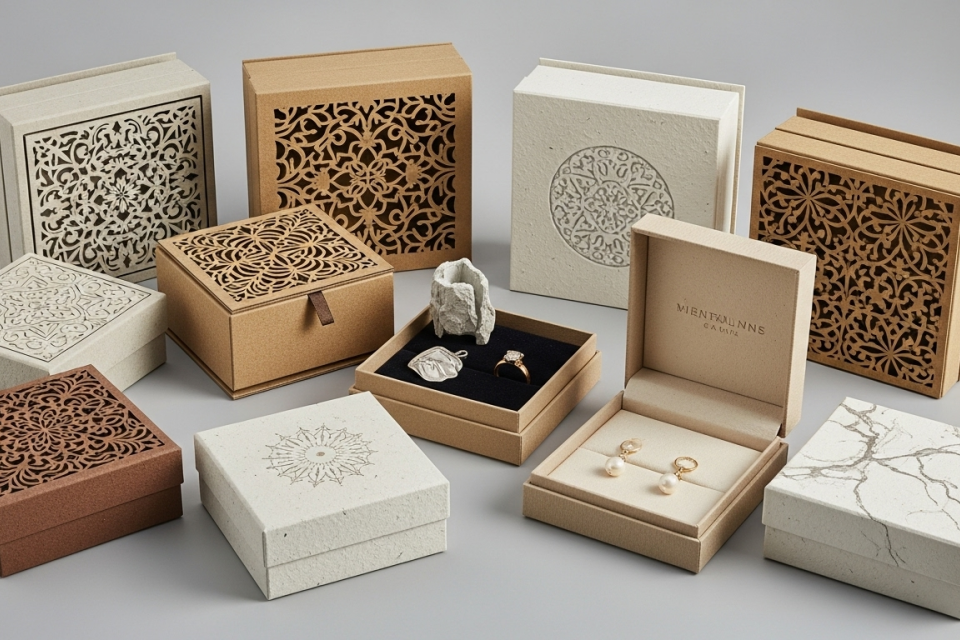
Emerging materials such as bamboo and pulp molding are also being incorporated into sustainable jewelry packaging. Bamboo is recognized for its fast growth and renewable nature, making it an ideal choice for eco-conscious brands. Pulp molding, derived from pressed pulp, offers strong protective packaging while being highly biodegradable, thus supporting sustainability efforts in the jewelry industry.
Design Considerations
Balancing Functionality and Aesthetics
In sustainable jewelry packaging design, achieving a balance between functionality and aesthetics is crucial. Packaging must not only protect the jewelry but also enhance the unboxing experience for the customer. Effective design techniques such as nesting and stackability can optimize space and reduce material waste without compromising visual appeal. The incorporation of eco-friendly materials is increasingly important, as consumers are more conscious of the environmental impacts of their purchases.
Technology and Customization
The integration of technology in design di packaging is revolutionizing customization. Digital printing allows brands to create high-quality, cost-effective solutions on a smaller scale, facilitating personalized experiences for consumers. Additionally, augmented reality (AR) and QR codes can be utilized to enhance interactivity, providing customers with unique content or deals when scanning their packaging. This tech-driven approach not only fosters emotional connections but also encourages repeat purchases by creating memorable experiences.
Sustainability and Materials
Sustainability has become a cornerstone of packaging design, pushing brands to seek eco-friendly materials that align with consumer values. Packaging that effectively communicates a brand’s commitment to sustainability—through minimalistic design and responsible material choices—can resonate deeply with environmentally conscious consumers. By employing innovative techniques such as 3D printing and automated systems, brands can optimize their packaging processes while reducing waste and promoting eco-friendly practices.
Visual Hierarchy and Brand Identity
A strong visual hierarchy in packaging design enhances consumer engagement by guiding the viewer’s eye towards key features of the product. Clear typography, strategic use of color, and consistent branding elements foster brand recognition and trust. Studies have shown that an appealing packaging design can significantly influence consumer perceptions and purchasing decisions, with a large percentage of consumers citing attractive packaging as a reason for repeat purchases. Thus, thoughtful design choices are essential for communicating brand identity and fostering customer loyalty.
Enhancing User Experience
User experience is a critical consideration in sustainable jewelry packaging design. The structure and ergonomics of the packaging should facilitate ease of use, ensuring that the product can be accessed effortlessly without compromising its protective qualities. By focusing on intuitive design, brands can enhance consumer satisfaction and reduce cognitive friction, ultimately leading to a stronger emotional connection with the product. Additionally, features like embossed and sculpted textures can elevate the tactile experience, making the packaging as luxurious as the jewelry it contains.
Benefits of Sustainable Jewelry Packaging
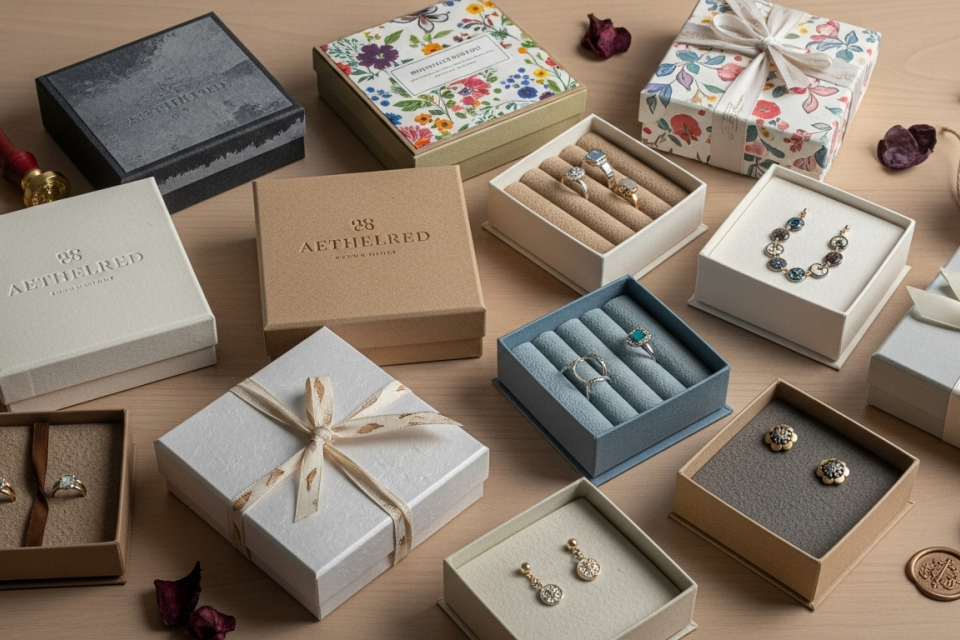
Sustainable jewelry packaging offers a range of benefits that extend beyond environmental impact, enhancing brand reputation and economic viability in the competitive market.
Environmental Conservation
One of the primary advantages of adopting sustainable jewelry packaging is its contribution to environmental conservation. By utilizing eco-friendly materials such as recycled paper and corrugated cardboard, businesses can significantly reduce waste and lower their carbon footprint. These materials facilitate a circular economy, allowing for the reuse and recycling of resources, thereby minimizing the introduction of harmful waste into the environment.
Enhanced Brand Image
Employing sustainable packaging not only reflects a commitment to environmental stewardship but also enhances a brand’s image. Consumers today are increasingly concerned about the ecological impact of their purchases, and brands that prioritize eco-friendly practices can resonate more effectively with environmentally conscious customers. This positive perception can lead to increased customer loyalty and trust, which are essential for long-term success in the jewelry industry.
Cost Savings and Efficiency
While the initial investment in sustainable packaging may seem high, businesses often experience significant cost savings in the long run. By reducing waste and optimizing supply chains, companies can lower operational costs associated with materials and disposal. The use of lightweight and efficient packaging designs can also contribute to lower shipping costs, further enhancing financial performance.
Compliance and Regulatory Advantages
As governments around the world implement stricter regulations on packaging waste, businesses that adopt sustainable practices position themselves favorably. Compliance with eco-friendly regulations not only helps avoid fines but also opens opportunities for sustainable financing, appealing to investors who prioritize responsible business practices.
Consumer Trust and Transparency
Incorporating symbols and certifications related to sustainability on packaging can help build trust among consumers. Brands that display recognizable eco-certifications signal their commitment to reducing their ecological footprints, fostering loyalty among eco-conscious shoppers.
Driving Innovation
Sustainable jewelry packaging also encourages innovation within the industry. As businesses seek to improve their environmental practices, they are likely to explore new materials and packaging designs that meet sustainability criteria. This innovation can further push the jewelry industry toward a more sustainable future while addressing consumer demands for greener alternatives.
Challenges and Barriers
Sourcing Biodegradable Materials
Sourcing biodegradable materials poses significant challenges for businesses aiming to adopt environmentally friendly packaging solutions. One major issue is the availability of materials such as polylactic acid (PLA), which is derived from renewable resources but may face supply chain limitations. Additionally, while the integration of the internet of things (IoT) can facilitate the tracking and management of these materials, many companies still struggle to implement such technologies effectively in their operations.
Balancing Costs and Benefits
Green packaging can initially appear expensive due to the investment required for new research, machinery, and materials. This adaptation process can be time-consuming and complex, leading some businesses to hesitate in making the shift. However, these initial costs can lead to long-term savings by reducing waste disposal fees and lower shipping costs through the use of lighter packaging. The challenge lies in navigating these upfront costs against the potential benefits, which include increased market access and improved consumer trust.
Legislative Compliance
Recent legislative changes worldwide have begun to shape packaging requirements, pushing businesses toward sustainable practices. Stricter regulations aimed at reducing plastic waste and promoting recyclable materials compel companies to rethink their packaging strategies. As governments implement bans on single-use plastics, businesses must adapt quickly to remain compliant while also appealing to environmentally concerned consumers.
Identifying Genuine Sustainability
In a market saturated with options, it can be challenging for brands to distinguish between genuinely sustainable packaging and mere greenwashing. Companies must understand the materials they are using and ensure that their eco-friendly claims are backed by substantial evidence. This scrutiny is essential as consumers become more aligned with brands that uphold ethical and environmental values.
Economic Factors
Material costs and availability are crucial considerations for businesses. While the initial investment in sustainable packaging might be higher, eco-friendly materials can become more affordable in bulk as demand increases. Efficient supply chains can drive down costs, but companies still face challenges in balancing economic factors with the need for sustainable options.
Case Studies
Successful Implementations of Sustainable Packaging
Beverage Industry
A prominent beverage brand has successfully transitioned to using biodegradable materials for its packaging. This shift effectively addressed concerns regarding plastic pollution while also minimizing its environmental impact. The move towards lighter materials not only reduced waste but also streamlined transport logistics, leading to decreased fuel consumption and lower carbon emissions associated with distribution.
Cosmetics Sector
Another noteworthy example can be found in a major cosmetics company that integrated sustainable packaging solutions into its manufacturing process. This organization emphasized the use of recycled raw materials and renewable energy sources, significantly reducing waste and enhancing its brand perception among environmentally conscious consumers. The company’s efforts have set a benchmark in the industry, encouraging others to adopt similar sustainable practices.
Encouraging Consumer Participation
To further their sustainable initiatives, companies are increasingly engaging consumers in return and reuse programs. By offering convenient return options and incentives such as discounts for returned packaging, businesses can cultivate a community of environmentally conscious consumers who feel valued for their contributions to sustainability efforts. Effective communication regarding the benefits of participation is crucial, as it enhances brand loyalty and motivates consumers to engage in responsible practices.
Compliance with Regulatory Frameworks
The European market has seen a rising demand for sustainable products, driven in part by the Ecodesign for Sustainable Products Regulation (ESPR), which took effect on July 18, 2024. Companies, such as Jewel Pak International, are responding to this regulatory push by prioritizing the use of Forest Stewardship Council (FSC)-certified wood and paper alongside recycled materials in their production processes. This commitment not only adheres to market demands but also enhances the sustainability profile of their products. Through these case studies, it is evident that adopting sustainable packaging solutions not only addresses environmental concerns but also strengthens brand loyalty and positions companies favorably within competitive markets.
Regulations and Standards
Governments around the world are enacting stricter regulations to curb packaging waste and promote sustainability, significantly impacting the jewelry industry. Jewelry companies must navigate a complex landscape of international standards and local legislation regarding materials, design, and labeling to ensure compliance and enhance their market appeal.
EU Packaging and Packaging Waste Regulation (PPWR)
Adopted in 2025, the EU’s PPWR introduces comprehensive obligations for all packaging entering the EU market.
- Recyclability Standards: By 2030, all packaging must meet specific recyclability performance standards, with more rigorous goals set for 2038.
- Recycled Content Mandates: A minimum of 35% recycled content is required for plastic packaging by 2030, aiming to encourage the use of recycled materials.
- Waste Reduction Goals: Brands are mandated to minimize packaging weight, volume, and empty space, with restrictions on exceeding 50% total empty space in packaging.
- Fair Trade Certification: While traditionally associated with gold and gemstone sourcing, Fair Trade standards are increasingly applied to packaging practices, emphasizing community development and low-impact material use.
- ISO 14001: This environmental management system standard aids brands in systematically reducing their environmental impact, including packaging.
Global Regulatory Shifts
Recent global legislative changes have prompted a reevaluation of packaging practices across various industries, including jewelry. Regulations aimed at reducing plastic waste and promoting recyclable materials compel companies to rethink their packaging strategies. The Break Free From Plastic Pollution Act, currently under consideration, seeks to establish federal standards in the U.S. for sustainable packaging, addressing the current patchwork of state laws that brands must navigate.
Strategic Advantages of Compliance
Adopting sustainable packaging practices can yield significant regulatory advantages. Companies that align with emerging regulations position themselves favorably for sustainable finance opportunities and attract investors interested in responsible practices. Furthermore, sustainability certifications provide consumers with assurance regarding the environmental impact of their purchases, enhancing brand credibility and engagement among eco-conscious shoppers.
Certification Standards
Several certifications are critical for ensuring sustainability in jewelry packaging:
- B Corp Certification: This certification evaluates a company’s overall social, environmental, and governance impact, demonstrating moral integrity and commitment to sustainable practices.
- Cradle to Cradle Certified™: Focused on product circularity, this certification assesses package content for recyclability, material health, and carbon impact, helping brands stay ahead of regulatory changes.
- Responsible Jewellery Council (RJC): Although primarily focused on supply chain ethics, the RJC Code of Practices encourages environmental considerations in packaging management.
Consumer Expectations and Material Innovations
Innovations in sustainable materials have debunked the myths that eco-friendly packaging is unattractive or prohibitively expensive. Today’s sustainable options offer high-end finishes and custom branding without compromising environmental standards. As consumer expectations shift towards more sustainable practices, brands that prioritize ethical and eco-friendly packaging will not only meet regulatory requirements but also build stronger relationships with environmentally conscious consumers. By understanding and implementing these regulations and standards, jewelry companies can enhance their sustainability efforts, ensuring compliance while appealing to a growing market of eco-conscious consumers.
Future Trends
The future of sustainable jewelry packaging is set to evolve significantly, driven by consumer demand for eco-friendly practices and advancements in technology. As consumers increasingly prioritize sustainability, the jewelry industry is expected to embrace innovative packaging solutions that minimize environmental impact while enhancing brand loyalty and consumer engagement.
Innovations in Materials
Emerging trends indicate a pronounced shift towards biodegradable and compostable materials, alongside the increased use of recycled content in packaging design. Biodegradable paper, recycled plastics, and natural fibers are becoming popular choices among jewelry brands. This transition not only addresses environmental concerns but also aligns with consumer preferences for packaging that reflects green business practices. As businesses explore these materials, they must also consider the long-term viability and scalability of sustainable options, ensuring that production remains efficient without compromising ecological goals.
Smart Packaging Technologies
The incorporation of smart packaging technologies is expected to gain momentum, enhancing functionality while promoting sustainability. Innovations such as QR codes and augmented reality (AR) can enrich the consumer experience by providing product origin information, sustainability facts, and interactive content that connects products to consumers’ lifestyles. Additionally, smart packaging can facilitate inventory tracking and freshness monitoring, thus reducing waste and improving supply chain efficiency. This technological integration not only caters to consumer preferences for transparency but also aligns with regulatory demands for responsible packaging practices.
Regulatory Influences and Consumer Behavior
Legislation aimed at regulating excessive packaging and promoting recyclability is likely to further shape the landscape of sustainable jewelry packaging. Markets such as China and the EU are already implementing policies that encourage companies to adopt environmentally responsible practices, fostering a more sustainable packaging culture within the industry. The increasing awareness of environmental issues, particularly among younger consumers like Gen Z, underscores the necessity for brands to innovate and adapt. Approximately 78% of consumers express concern for sustainability, and 73% are willing to adjust their lifestyles to support eco-friendly initiatives, making green packaging not just an option but a vital aspect of brand strategy.