
Collapsible vs. Fixed Rigid Boxes
This blog compares collapsible and fixed rigid boxes. Discover the key differences in design, cost, sustainability, and applications for luxury goods.

Summary
Collapsible vs. Fixed Rigid Boxes are two distinct types of packaging solutions that serve various industries, particularly in the luxury and high-value goods sectors. Rigid boxes, traditionally constructed with a fixed design, are known for their durability and premium aesthetic appeal, making them ideal for protecting fragile items and enhancing brand presentation. In contrast, collapsible rigid boxes combine similar structural integrity with innovative design techniques that allow for efficient storage and transportation, collapsing flat when not in use. This evolution in packaging design has garnered attention due to its logistical benefits and alignment with sustainability goals, as it reduces shipping costs and material waste.
The significance of these packaging types stems from their applications across multiple sectors, including cosmetici, fashion, and premium consumer goods, where presentation and protection are paramount. The market for rigid boxes is projected to exceed $5.4 billion by 2030, fueled by consumer demand for aesthetically pleasing and environmentally friendly packaging solutions. As e-commerce continues to rise, the preference for high-quality packaging that enhances the shopping experience is driving brands to adopt collapsible designs for their versatility and cost-effectiveness.
Despite their advantages, both types of rigid boxes face challenges. Fixed rigid boxes often incur higher upfront costs and require more substantial shipping space, leading to inefficiencies in logistics. Meanwhile, collapsible rigid boxes, while offering logistical advantages, may present complexities in manufacturing and material selection, particularly concerning sustainability and recycling. These controversies underscore the importance of evaluating the lifecycle and environmental impact of each packaging type in the context of evolving consumer preferences and corporate responsibility initiatives.
Ultimately, the choice between collapsible and fixed rigid boxes hinges on balancing aesthetic appeal, protection, cost, and sustainability. As businesses increasingly prioritize environmental considerations, the development and adoption of packaging solutions that align with sustainability goals will likely shape the future landscape of the packaging industry.
Sommario
Design and Construction
Overview of Rigid Boxes
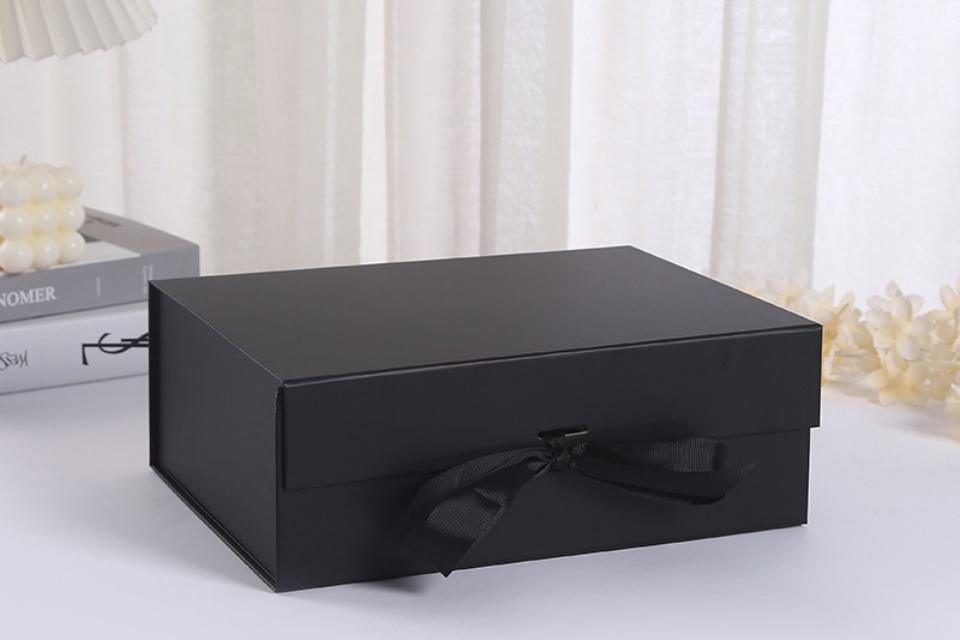
Rigid boxes are a popular choice in packaging due to their structural integrity and aesthetic appeal. These boxes are typically manufactured using a fixed construction approach, where the box structure is permanently assembled during production, ensuring durability and a high-quality presentation for the contents inside. They are crafted from various materials, with chipboard being favored for its strength, affordability, and recyclability, making it an ideal choice for packaging higher-quality items.
Types of Rigid Boxes
The diversity of rigid boxes is considerable, with various designs catering to specific requirements. Common types include straight tuck-end boxes, reverse tuck-end boxes, and auto-lock bottom boxes. Some designs, like windowed cartons, allow consumers to see the product inside, while gable top cartons feature handles for added convenience. Each design offers unique benefits, optimizing both functionality and brand presentation.
Material Selection
Material selection plays a critical role in the design and construction of rigid boxes. The packaging material must provide sufficient durability and protection against external elements while maintaining an attractive appearance. Manufacturers often prioritize environmentally friendly, recyclable, and reusable materials, aligning with sustainability goals. Chipboard is widely recognized for its multi-layer construction, making it thick and capable of bearing heavier items, while options like polystyrene foam are used for internal support in more fragile products.
Innovative Design Techniques
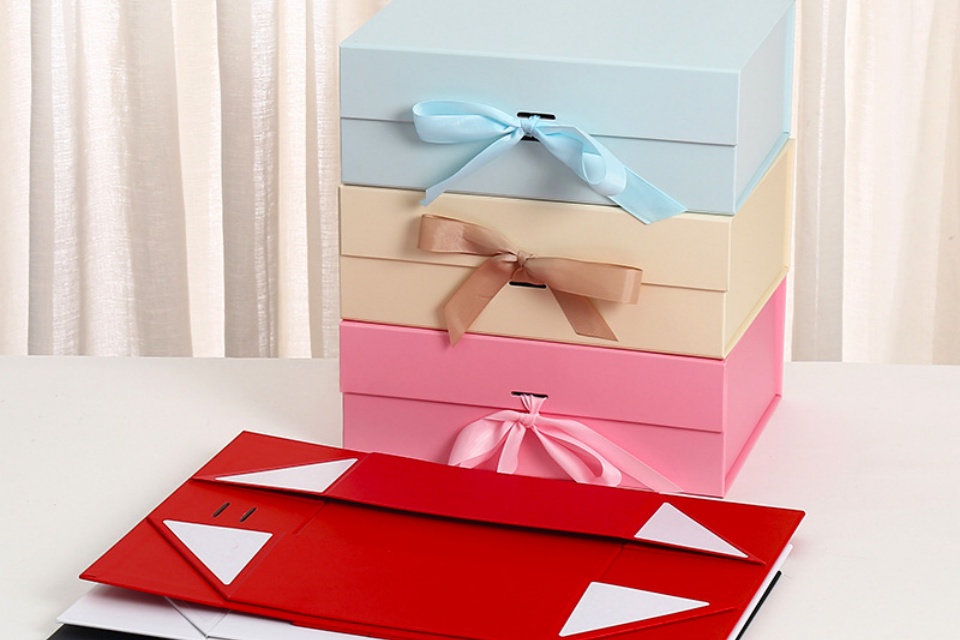
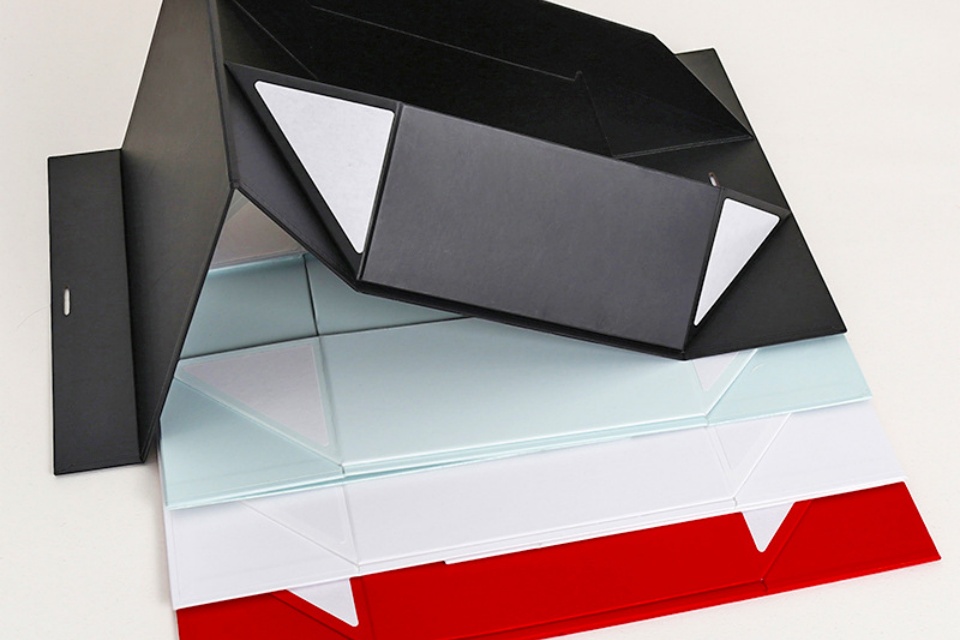
Advancements in packaging engineering have led to the development of collapsible rigid boxes, which combine the visual and tactile qualities of traditional rigid boxes with logistical benefits. These boxes utilize advanced die-cutting techniques and precision creasing to allow the structure to collapse flat for storage and shipping, expanding back to a rigid form when needed. This innovative approach not only enhances space efficiency but also reduces transportation costs.
Environmental Considerations
Sustainable design practices are becoming increasingly important in the construction of rigid boxes. The entire production process, from sourcing to recycling, is being optimized to minimize environmental impact, utilizing renewable energy sources and clean production technologies. By adopting biodegradable materials and reducing reliance on single-use plastics, brands are demonstrating their commitment to environmental responsibility while meeting consumer demand for sustainable packaging solutions.
Advantages and Disadvantages
Advantages of Rigid Boxes
Rigid boxes, often recognized for their structural integrity and premium appearance, provide numerous advantages for product packaging. One of the most significant benefits is the superior protection they offer. Their robust construction shields contents from crushing and impacts, making them ideal for fragile or high-value items. This protection leads to reduced product damage, resulting in fewer returns and replacements, which can save costs in the long run. Furthermore, the perception of high-quality packaging enhances brand image, allowing companies to justify higher price points for their products.
The durability of rigid boxes also promotes sustainability. These boxes are often reused or repurposed by consumers, extending their marketing lifespan. Their ability to maintain structural integrity without user assembly ensures consistent protection, which is crucial for high-value products where packaging failure is unacceptable. Additionally, rigid boxes provide enhanced branding opportunities through customizable designs and finishes, improving brand recognition and recall among consumers.
Disadvantages of Rigid Boxes
Despite their many advantages, rigid boxes come with some disadvantages. One primary concern is the higher upfront cost compared to alternative packaging solutions like folding cartons or corrugated boxes. While the long-term benefits often outweigh these initial costs, businesses with tight budgets may find the investment challenging.
Another consideration is the shipping and logistics implications. Traditional rigid boxes occupy full dimensional space even when empty, leading to inefficient use of shipping containers and warehouse space. This can result in higher transportation costs and increased environmental impact due to more shipments required. Although collapsible rigid boxes have been engineered to mitigate these issues, standard rigid boxes still present challenges in terms of space efficiency and transportation costs.
Moreover, while rigid boxes are made from durable materials like chipboard or MDF, the recycling of these materials can be complicated, particularly when combined with other elements like plastic windows or magnets. Businesses must navigate the complexities of material selection and recycling processes to align with sustainability goals.
Applications
Collapsible rigid boxes have emerged as a versatile solution within the packaging industry, offering significant advantages over traditional fixed rigid boxes across various applications.
Industry-Specific Applications and Use Cases
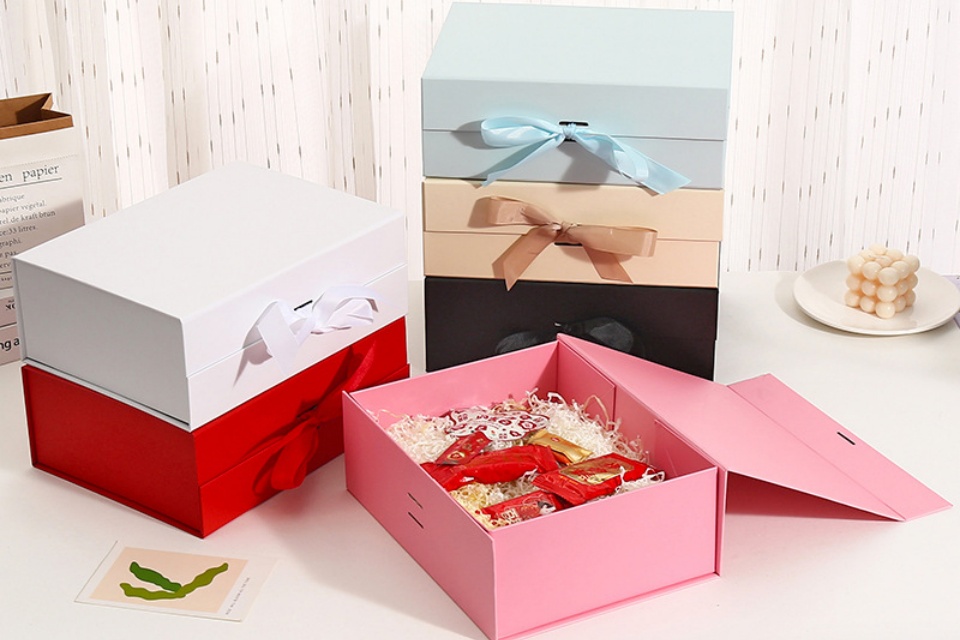
Collapsible rigid boxes are designed to cater to a wide range of industries, particularly in the luxury goods market. They have gained popularity due to their structural integrity and ability to maintain a premium appearance while being cost-effective. These boxes are particularly suitable for luxury consumer goods such as cosmetics, fashion accessories, and high-end alcohol products, where presentation is key. Their ability to collapse flat also allows for efficient storage and transportation, making them an economically sound choice for businesses aiming to optimize their supply chains.
Performance Comparison and Application Suitability
When comparing collapsible rigid boxes to traditional fixed options, their structural integrity and durability are often highlighted as major benefits. Collapsible boxes are engineered with fold lines and connection points that allow them to be easily assembled without sacrificing strength, which is essential for protecting high-value products during shipping and handling. Furthermore, these boxes can significantly reduce shipping and storage costs—by over 60% compared to standard rigid boxes—making them suitable for brands looking to maintain competitive pricing while ensuring product safety.
Sustainability and Customization
In the context of sustainability, collapsible rigid boxes are often produced from FSC-certified materials, aligning with the growing consumer demand for eco-friendly packaging solutions. This makes them an appealing option for brands focused on reducing their environmental footprint while still providing attractive and functional packaging. Additionally, the customization potential of these boxes allows brands to create unique and memorable unboxing experiences, thereby enhancing customer engagement and satisfaction.
E-commerce Growth and Consumer Trends
As e-commerce continues to expand, the demand for collapsible rigid boxes is also expected to rise. The convenience of online shopping has led to a growing preference for high-quality, aesthetically pleasing packaging that enhances the overall shopping experience. The luxury market, in particular, is poised for significant growth, with projections indicating that the market for rigid boxes will exceed $5.4 billion by 2030, driven largely by millennial and Gen Z consumers who value both aesthetics and sustainability in their purchases.
Environmental Impact
Sustainable Materials Management
The shift towards sustainable materials management in packaging, particularly for rigid boxes, can significantly reduce environmental impacts while also recovering lost economic revenue. By utilizing lightweight and efficient materials, companies can not only save money but also decrease waste generation at the end of the packaging lifecycle. Recycling initiatives are essential, as they not only preserve valuable materials but also keep packaging discards out of landfills, which is crucial for reducing overall environmental footprints.
Life Cycle Assessments
Conducting comprehensive lifecycle analyses is vital for understanding the environmental impact of rigid boxes from raw material extraction to disposal. This includes evaluating carbon footprints, resource depletion, and waste impact mitigation. For instance, collapsible rigid boxes have a lower carbon footprint due to their ability to be transported flat, thus optimizing logistics and reducing emissions associated with shipping. If these containers are produced from recycled materials, the potential for CO2 reduction is even greater, as recycling conserves energy and diminishes emissions compared to using virgin materials.
Material Considerations
The choice of materials plays a crucial role in the sustainability of packaging solutions. Collapsible rigid boxes can be made from biodegradable, recyclable, or reusable materials, further minimizing waste and environmental impact. Using recycled content, such as post-consumer waste in corrugated cardboard, not only reduces the need for new raw materials but also promotes a circular economy within the packaging industry. Furthermore, the development of eco-friendly inks and coatings, as well as clean production techniques, can significantly lessen the environmental footprint of color box manufacturers.
Innovative Packaging Solutions
The innovative design of collapsible rigid boxes combines the luxury appeal of traditional rigid boxes with practical benefits such as space-saving and ease of storage. These boxes feature strategic fold lines that allow for compact transport while maintaining structural integrity when in use, thereby supporting sustainable practices by reducing the overall material needed for packaging. Embracing these designs helps businesses align with sustainability goals while enhancing product presentation.

Market Trends
The market for collapsible and fixed rigid boxes is experiencing notable growth driven by various factors, including changing consumer preferences and advancements in packaging technology. The overall packaging industry, which encompasses collapsible and fixed options, is projected to reach USD 16 billion by 2035, with an expected compound annual growth rate (CAGR) of 3.7% from 2025 to 2035.
Demand Dynamics
As e-commerce continues to expand, the demand for flexible packaging solutions that can efficiently meet fluctuating consumer demand is increasing. Collapsible boxes, in particular, offer significant scalability benefits for businesses as they can be stored flat, reducing storage costs compared to pre-assembled rigid alternatives. This allows for more responsive manufacturing strategies that align closely with actual demand patterns, enhancing production scheduling flexibility.
Regional Insights
Geographically, Asia Pacific, especially India and China, is anticipated to be the key growth region within the market from 2025 to 2035. In China, rising disposable incomes and a growing middle class are contributing to a booming market for premium packaging solutions. Consumers are increasingly seeking elegant and durable packaging, particularly as the e-commerce sector expands, prompting brands to invest in high-quality packaging materials that enhance online shopping experiences.
Eco-Conscious Trends
Sustainability is becoming a critical driver in the packaging market. There is an increasing consumer preference for eco-friendly packaging solutions, leading companies to innovate with luxurious materials that meet environmental standards. This trend is particularly evident in luxury packaging, where brands strive to create strong emotional connections with customers through attractive and sustainable designs.
Challenges
Despite the promising growth, the industry faces challenges such as high costs associated with premium materials and production processes. Luxury packaging, which often utilizes expensive materials like glass and metals, poses economic hurdles for manufacturers. Additionally, maintaining environmental compatibility in packaging design without sacrificing aesthetics remains a significant challenge for many brands in the industry.