
Sustainable Packaging for Fashion
This guide to sustainable fashion packaging covers materials, regulations, consumer trends, and the industry's shift to a circular, eco-friendly economy.

Summary
Sustainable Packaging for Fashion refers to environmentally responsible packaging practices employed by the fashion industry to minimize waste and reduce environmental impact. As the fashion sector grapples with the ecological consequences of traditional packaging materials, particularly single-use plastics, there is a growing recognition of the need for sustainable alternatives. This transition is driven by heightened consumer awareness and demand for eco-friendly products, compelling brands to innovate in their packaging strategies to align with sustainability goals and meet regulatory pressures.
Notably, the adoption of sustainable packaging is not just a trend; it has become a crucial aspect of corporate responsibility. Major fashion brands, such as Patagonia and Allbirds, are leading the way by utilizing biodegradable materials, recyclable options, and minimalist designs that prioritize environmental consciousness. These practices not only enhance brand reputation but also resonate with a consumer base that increasingly prioritizes sustainability in their purchasing decisions. Studies show that a significant portion of consumers, particularly younger generations, are willing to pay a premium for products that feature sustainable packaging, further highlighting its market significance.
Despite the positive movement towards sustainable packaging, the fashion industry faces several challenges, including economic concerns and consumer confusion regarding sustainability claims. The higher costs associated with eco-friendly materials and the complexities of transitioning supply chains can hinder widespread adoption. Moreover, the lack of consumer understanding about what constitutes sustainable packaging complicates efforts to encourage more environmentally responsible choices.
As regulatory frameworks evolve and public sentiment shifts towards sustainability, the future of packaging in the fashion industry will likely focus on closed-loop systems and innovative materials. The increasing emphasis on reducing carbon footprints and promoting a circular economy indicates a pivotal transformation in how fashion brands approach packaging, ensuring that they contribute positively to environmental preservation while addressing the needs of informed consumers.
Table des matières
Historical Context
The evolution of packaging materials in the fashion industry has undergone significant changes, particularly influenced by technological advancements and shifting consumer behaviors. The use of fibrous packaging materials dates back to ancient times, with evidence suggesting that the Chinese utilized paper and treated mulberry bark for wrapping food and other consumables as early as the first or second centuries BCE. However, it was not until much later that textiles became a primary choice for packaging, particularly for bulk goods such as flour, which required durable storage solutions.
During World War II, the demand for practical materials led companies to adapt their packaging practices. Many manufacturers began using dressmaking-quality fabrics and decorative printing in their packaging textiles, as consumers sought inexpensive alternatives for clothing. This shift marked a significant moment in the integration of textiles into packaging, a practice that continued post-war with the enduring popularity of fabric bags, especially those made from muslin, due to their ability to securely contain powdered goods.
As the late 20th century approached, the fashion industry increasingly gravitated toward plastic materials, particularly polybags, for their lightweight and cost-effective properties. However, this shift also introduced significant environmental challenges. The widespread use of non-biodegradable plastics raised concerns about their long-term impact on waste and pollution. The negative implications of such packaging have sparked a growing awareness regarding sustainability, driving a contemporary movement towards eco-friendly alternatives in fashion packaging.
The modern era has seen a heightened consumer demand for sustainable products, which has pressured companies to reevaluate their packaging strategies. As consumers become more informed and accountable for their choices, brands are now compelled to incorporate sustainability into their packaging practices, marking a significant turning point in the industry’s approach to materials. This ongoing transformation highlights the importance of packaging not only as a means of product protection but also as a critical factor in the overall environmental impact of fashion production and consumption.
Types of Sustainable Packaging
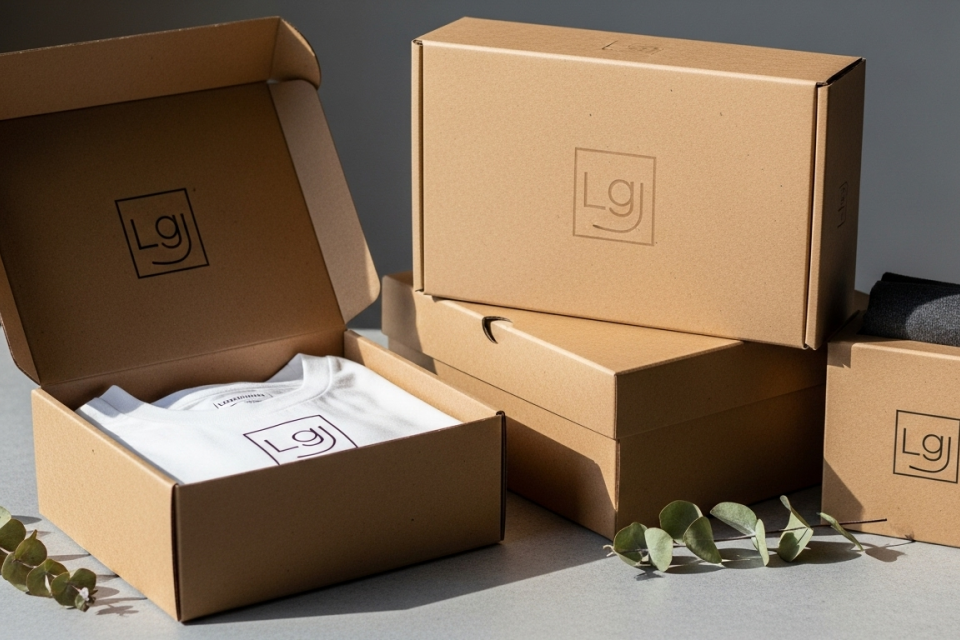
Emballages durables in the fashion industry encompasses a variety of materials and design approaches aimed at reducing environmental impact and promoting a circular economy. This section highlights some of the key types of sustainable packaging used in fashion.
Biodegradable and Compostable Packaging
Biodegradable and compostable packaging materials are designed to break down naturally after use, thereby minimizing their long-term environmental footprint. Commonly used biodegradable materials include plant-based bioplastics such as polylactic acid (PLA) and polyhydroxyalkanoates (PHA), as well as materials derived from seaweed, peanuts, and mushrooms. These options not only serve as effective packaging solutions but also contribute positively to the environment when disposed of correctly.
Recyclable Materials
Recyclable materials are crucial for sustainable packaging as they can be re-processed and reused multiple times. This category includes carton ondulé, which is both durable and lightweight, making it ideal for shipping apparel. Non-laminated and non-waxed cardboard options are particularly beneficial as they are easier to recycle. Other recyclable materials include various types of paper and plastics, which can also serve as effective packaging components.
Innovative Plant-Based Alternatives
Innovative alternatives, such as packaging made from recycled paper or materials derived from cellulose, are gaining traction in the fashion industry. While cellulose is the most abundant organic polymer, its sourcing must be managed sustainably to avoid environmental degradation, such as deforestation. Research has led to the development of food-safe packaging from cellulose fibers, highlighting the potential of plant-based materials in packaging solutions.
Minimalist Design Approaches
Minimalist packaging design plays a significant role in sustainable packaging strategies. By eliminating unnecessary layers and focusing on simplicity, brands can reduce material usage and waste while enhancing the aesthetic appeal of their products. This approach aligns with consumer values and promotes a commitment to sustainability.
Custom and Eco-Friendly Accessories
The use of custom tissue paper, gummed tape, and stickers made from sustainable materials is also emerging within sustainable fashion packaging. These accessories can enhance product presentation and branding while remaining environmentally friendly. Gummed tape, for example, is plastic-free and recyclable, which can significantly reduce the carbon footprint associated with packaging.
Environmental Impact
The environmental impact of packaging in the fashion industry has garnered increasing attention, particularly as consumer awareness of sustainability issues rises. In 2023, surveys indicate that ocean litter has become a primary concern for US consumers across various demographics, surpassing other environmental issues like climate change, which has declined in importance since 2020. This shift highlights the urgency for the fashion industry to address its packaging practices, as a significant portion of pollution originates from consumer products.
Importance of Sustainable Packaging
Sustainable packaging, which includes materials that are either recycled or designed for reuse, signals a company’s commitment to reducing its ecological footprint. The fashion sector is responsible for substantial waste, making the transition to sustainable packaging crucial not only for environmental preservation but also for meeting the demands of a more conscious consumer base. The consumer goods industry, which contributes to 45% of global emissions from production and consumption, must innovate to align with sustainability goals and reduce plastic litter.
Consumer Accountability and Demand
Modern consumers are increasingly holding companies accountable for their environmental impact. There is a notable trend towards seeking out eco-friendly alternatives, compelling brands to integrate sustainable initiatives into their operations. This dynamic fosters a transformative movement towards sustainability, as informed consumers demand transparency regarding the environmental credentials of products. The push for sustainable packaging not only addresses waste concerns but also enhances brand loyalty among environmentally conscious shoppers.
Infrastructure and Education Challenges
Despite the growing interest in sustainable practices, many consumers remain unaware of the actual environmental effects of their purchases. This gap in knowledge can lead to complacency and hinder the adoption of sustainable solutions. To combat this, effective educational campaigns and transparent labeling are essential for empowering consumers to make environmentally responsible choices. Additionally, significant investment is necessary to develop the infrastructure for recycling, composting, and local production to support a sustainable shopping ecosystem.
The Role of Corporate Responsibility
Fashion brands are increasingly recognizing their role in mitigating climate change through sustainable practices. Commitments to carbon neutrality and reduced emissions are becoming vital components of corporate strategies, especially in light of evolving regulations and consumer expectations. While some companies may struggle with the cost of implementing sustainable packaging solutions, the long-term benefits—such as reduced waste disposal costs and enhanced brand reputation—are increasingly evident.
By addressing these challenges and leveraging sustainable packaging, the fashion industry can significantly reduce its environmental impact, protect biodiversity, and contribute positively to the planet’s future.
Regulatory Framework
The regulatory landscape surrounding sustainable packaging for fashion is evolving rapidly, influenced by various legislative measures and societal pressures aimed at reducing environmental impact.
Extended Producer Responsibility (EPR)
Extended Producer Responsibility (EPR) is becoming a cornerstone of packaging regulation. This policy mandates that producers are responsible for the entire lifecycle of their products, including end-of-life management and recycling. EPR regulations require packaging producers to pay fees based on the type and quantity of packaging used, incentivizing them to adopt more sustainable packaging designs and materials. As states like California implement comprehensive EPR programs, the ripple effect is expected to influence practices nationwide, compelling manufacturers to limit their reliance on virgin materials and improve recyclability.
Legislative Measures
Various forms of legislation are emerging to combat packaging waste, including bans on single-use plastics, mandates for minimum recycled content in packaging, and requirements for sustainable packaging practices. For instance, California’s SB 54 legislation sets ambitious goals for reducing single-use plastics, mandating that all such packaging be recyclable or compostable by 2032. Similar initiatives are seen in other states and countries, such as the EU’s revision of the Packaging and Packaging Waste Directive, which enforces stricter recycling requirements and defines new sustainability standards.
Consumer Education and Compliance
Educating consumers on the environmental impacts of different packaging materials is critical for the success of these regulations. It is essential that consumers understand proper disposal methods and the significance of their choices, such as returning reusable packaging or utilizing the correct recycling bins. As consumer awareness grows, the demand for sustainable packaging options is likely to increase, further driving industry compliance with new regulations.
Global Trends and Compliance
While the EU is currently at the forefront of packaging waste legislation, other regions, including various US states, are beginning to adopt similar frameworks. The implementation of comprehensive waste management policies is expected to foster systemic change, encouraging companies to invest in sustainable materials and practices. By 2025, many large enterprises will be required to disclose the volume of unsold products discarded, promoting accountability and sustainability in production practices. As these regulations take effect, brands will need to adapt their packaging strategies, emphasizing recyclability, reduced material usage, and increased use of recycled content.
Case Studies
Leading Brands in Sustainable Packaging
Several fashion brands have emerged as leaders in the sustainable packaging movement, showcasing innovative practices that not only reduce environmental impact but also promote responsible consumption.
Patagonia
Outdoor clothing giant Patagonia has long been recognized for its commitment to sustainability. The company utilizes 100% recycled and recyclable poly bags for shipping and encourages customers to return old gear for repair or resale through its “Worn Wear” program, which extends product lifespans and minimizes waste. Additionally, Patagonia prioritizes the use of organic cotton, Fair Trade Certified™ materials, and maintains a transparent supply chain, reinforcing its dedication to environmentally responsible practices.
PVH Corp.
PVH, the global apparel company behind brands like Calvin Klein and Tommy Hilfiger, has set ambitious goals for sustainable packaging. By 2025, the company aims for all of its packaging to be made from 100% sustainable and ethically sourced materials. Currently, 74% of Calvin Klein’s packaging is recyclable, and PVH has already saved over 200 tons of plastic annually by opting for thinner materials. Their participation in the How2Recycle initiative illustrates a commitment to educating consumers on effective recycling practices, with the aim of achieving a zero waste status by 2030.
Allbirds
Sustainable footwear brand Allbirds distinguishes itself with its innovative packaging approach. The company employs a single-box solution for both retail and shipping, using boxes made from 90% post-consumer recycled material. This streamlined packaging method is part of Allbirds’ broader effort to achieve carbon neutrality. By eliminating unnecessary packaging layers, Allbirds sets a precedent for efficiency and sustainability in the fashion industry.
Veja
The French sneaker brand Veja exemplifies ethical production practices by incorporating upcycled materials into its limited-edition collections. This initiative not only addresses waste reduction but also emphasizes the brand’s commitment to sustainability in its production processes. By collaborating on unique designs that utilize repurposed resources, Veja champions environmentally friendly manufacturing while maintaining a focus on social responsibility.
Outerknown
Co-founded by surfer Kelly Slater, Outerknown addresses marine pollution by producing collections made from ocean plastic. This initiative not only helps reduce ocean waste but also raises awareness about the impact of consumer choices on environmental health. Outerknown’s commitment to sustainability reflects a growing trend among fashion brands to integrate environmental considerations into their business models.
These case studies illustrate the evolving landscape of sustainable fashion, where brands are not only innovating in product design but also rethinking their packaging strategies to align with eco-friendly principles. By implementing these practices, they contribute to a more sustainable future for the fashion industry.
Challenges and Limitations
The transition to sustainable packaging in the fashion industry faces several significant challenges and limitations. These hurdles stem from various factors including economic, operational, and consumer-related aspects.
Economic Considerations
One of the primary concerns for businesses when adopting sustainable packaging is the perceived higher cost associated with eco-friendly materials. While sustainable options like bioplastics and recycled paper can mitigate environmental impacts, their production tends to be more expensive due to the nascent state of the industry and associated processes. As a result, companies must assess not only the upfront costs of materials but also potential savings in operational efficiencies and marketing advantages in the long run. This requires a shift in perspective from immediate expenditures to a more holistic understanding of the total cost of ownership.
Operational Challenges
Implementing sustainable packaging solutions can introduce operational complexities. For instance, reusable packaging models have struggled to gain traction in the fashion industry, primarily due to their higher initial costs and logistical challenges compared to single-use options. Successful integration of sustainable packaging often necessitates redesigning supply chains and developing new processes to handle the materials, which can be daunting for companies lacking the necessary infrastructure or expertise. Furthermore, lightweighting and downsizing methods, which can help reduce waste, may lead to consumer dissatisfaction if not executed thoughtfully, as customers may perceive reduced packaging as a decrease in product value.
Consumer Awareness and Perception
Another major limitation is consumer awareness and perception of sustainable packaging. Many consumers prioritize price and product quality when making purchasing decisions, often placing less emphasis on sustainability initiatives. As consumer attitudes evolve post-pandemic, there is a growing desire for transparency and information regarding the sustainability of packaging. Companies must engage in clear communication strategies to educate customers about the benefits and features of sustainable packaging, which can require additional marketing resources.
Regulatory Pressures
Regulatory frameworks can also present challenges. While many governments are promoting sustainable practices through incentives, such as tax breaks for using renewable resources, compliance with evolving regulations can be burdensome. Companies must navigate these legal landscapes carefully, especially as more regions consider implementing extended producer responsibility (EPR) laws that hold businesses accountable for their packaging waste.
Future Trends
The future of sustainable packaging in the fashion industry is poised for significant evolution as consumer preferences shift towards greater environmental responsibility. According to recent insights, the trend of sustainable shopping is anticipated to continue growing steadily among younger generations, who increasingly prioritize ethical practices in their purchasing decisions. As the landscape of sustainable fashion packaging evolves, stakeholders must remain informed and proactive, fostering a culture of sustainability that can shape a greener future.
Key Trends Shaping the Future
Emphasis on Biodegradable and Compostable Materials
One of the most prominent trends is the increasing adoption of biodegradable and compostable materials in packaging. Fashion brands are exploring options like plant-based bioplastics and innovative materials such as mycelium leather and algae-based textiles. These materials are not only renewable but also decompose more naturally at the end of their life cycle, significantly reducing environmental impact. As consumer demand for sustainable practices grows, brands like Stella McCartney and Adidas are already incorporating these materials into their collections, aligning with government regulations and consumer expectations.
Smart and Functional Packaging Solutions
The integration of smart packaging technology is another trend gaining traction in the fashion sector. Innovations like thermochromic pigments, traceability markers, and intelligent textiles are being developed to enhance packaging efficiency and sustainability. These technologies can provide real-time data on product conditions, thereby reducing waste and improving customer satisfaction. The potential for smart packaging to inform consumers about sustainability practices is significant, as it bridges the gap between environmental responsibility and consumer engagement.
Shift Towards a Circular Economy
The movement towards a circular economy is expected to influence packaging strategies significantly. Brands are increasingly focusing on creating closed-loop systems where materials are reused and recycled, thereby minimizing waste. Take-back programs, which allow consumers to return used packaging for recycling, are becoming more common as brands strive to take responsibility for their products throughout their lifecycle. As companies navigate the complexities of this shift, it will be essential to consider diverse geographical factors and consumer behavior in shaping their circularity agendas.
Consumer Perceptions and Behavior
Consumer perceptions and behaviors regarding sustainable packaging have shifted significantly in recent years, largely influenced by growing environmental awareness. A substantial portion of consumers, particularly among younger demographics, prioritize sustainability in their purchasing decisions. Approximately 39% of consumers indicated that the environmental impact of packaging is a critical factor in their buying behavior, with this sentiment being particularly strong among Gen Z and millennial shoppers, where 37% and 39% respectively regard it as extremely important.
Willingness to Pay More
Research indicates a willingness among consumers to pay a premium for sustainable packaging. A McKinsey & Company survey from 2022 found that 60% of consumers are prepared to spend more on products with sustainable packaging. This trend is reinforced by a study showing that 74% of consumers would pay more for products with eco-friendly packaging, illustrating the growing significance of sustainable choices in consumer purchasing behavior. Notably, in developing economies, this willingness is even higher, reflecting a global shift toward sustainability as a key consideration in product selection.
Brand Loyalty and Perception
The adoption of sustainable packaging significantly influences brand perception and customer loyalty. Companies that integrate eco-friendly packaging strategies, such as Unilever and Nestlé, have reported enhanced brand images and increased customer loyalty as a result of their sustainability efforts. Additionally, consumers are more inclined to switch to brands that offer environmentally friendly alternatives, creating a competitive advantage for businesses that prioritize sustainable practices.
Barriers to Sustainable Purchasing
Despite the positive inclination towards sustainable packaging, several barriers exist that may hinder consumer behavioral change. Many consumers still grapple with confusion regarding what constitutes a sustainable product and how to make informed choices. This uncertainty may stem from a lack of clarity around sustainability claims and the varying definitions of eco-friendliness across products. Furthermore, while environmental concerns rank highly among consumer considerations, factors such as price, quality, and convenience often take precedence, particularly amid economic pressures.
The Impact of Online Shopping
The rise of online shopping has also altered consumer behavior towards packaging. With the importance of packaging appearance declining significantly—by 17 percentage points since 2020—consumers are increasingly focused on functionality and sustainability rather than aesthetics. This shift highlights the necessity for brands to adapt their marketing strategies to emphasize sustainable attributes effectively, catering to the evolving priorities of their customer base.