
Designing Chocolate and Bakery Boxes
A look at designing chocolate and bakery boxes, covering history, materials, eco-friendly trends, and the balance of aesthetics with functionality.

Summary
Designing chocolate and bakery boxes encompasses the art and science of creating packaging that not only protects the products but also enhances their marketability and appeal. With a history rooted in the rise of consumer culture during the 19th century, chocolate and bakery packaging has evolved from simple wrappers to sophisticated designs that reflect brand identity and consumer preferences. This topic is significant as packaging plays a crucial role in influencing purchasing decisions, providing brand differentiation, and fostering emotional connections with consumers.
The evolution of packaging in the chocolate and bakery industries has been marked by innovative designs that serve both functional and aesthetic purposes. Chocolatiers and bakers have historically utilized decorative boxes to elevate perceived product value, with brands like Fortnum and Mason exemplifying early successes in luxury packaging. Today, contemporary trends highlight the growing importance of sustainability, prompting companies to adopt eco-friendly materials and practices that align with increasing consumer demand for environmentally responsible products.
In recent years, advancements in packaging technology and design have reshaped the landscape of the chocolate and bakery sectors. Innovations such as smart packaging solutions, customizable designs, and interactive elements are being integrated to enhance consumer experience while ensuring product integrity and freshness. However, the industry faces challenges related to rising costs and environmental regulations, making the pursuit of balance between cost-effectiveness, functionality, and sustainability a prominent concern for designers and manufacturers alike.
Ultimately, the art of designing chocolate and bakery boxes is a dynamic field that merges creativity with practicality. As consumer expectations continue to evolve, the packaging not only serves as a protective barrier but also as a vital touchpoint in a brand’s narrative, influencing consumer behavior and loyalty in a competitive market.
Table des matières
History of Chocolate and Bakery Boxes
Chocolate and bakery boxes have a rich history intertwined with the evolution of packaging practices and consumer culture. The packaging of chocolates began to gain prominence in the 19th century as chocolate became more accessible to the general public. With the industrial revolution, mass production allowed for a greater variety of chocolate products, necessitating the need for effective packaging to attract consumers and ensure product preservation.
Early Developments in Chocolate Packaging
Initially, chocolates were sold without any sophisticated packaging, often wrapped in plain paper or simple containers. However, as demand grew, chocolatiers began to innovate. The introduction of decorative boxes became a way to enhance the perceived value of the product. Brands like Fortnum and Mason, which began operations in 1707, led the way in creating luxurious packaging that reflected their brand identity and appealed to high-end consumers. Their chocolate packaging designs, such as the quirky Chocolate Fish and Chips, exemplify how novelty and cultural references can play a role in packaging design.
The Rise of Bakery Boxes
Similarly, the packaging for baked goods evolved over time. By the late 19th and early 20th centuries, bakeries started using boxes to sell cakes, pastries, and other confections. These boxes were not only functional but also served as a marketing tool, often decorated with vibrant colors and appealing designs that reflected the bakery’s brand and offerings. Customization became key as bakers sought to differentiate their products in a competitive market.
Contemporary Trends in Packaging Design
In recent years, the focus on sustainable and eco-friendly packaging has transformed the chocolate and bakery box industry. Companies are increasingly opting for materials that minimize environmental impact, such as paper and cardboard, while also maintaining the aesthetic appeal of their packaging. This shift has led to innovative packaging solutions that balance functionality with sustainability, allowing brands to convey their commitment to environmental responsibility while enhancing consumer experience.
Types of Packaging
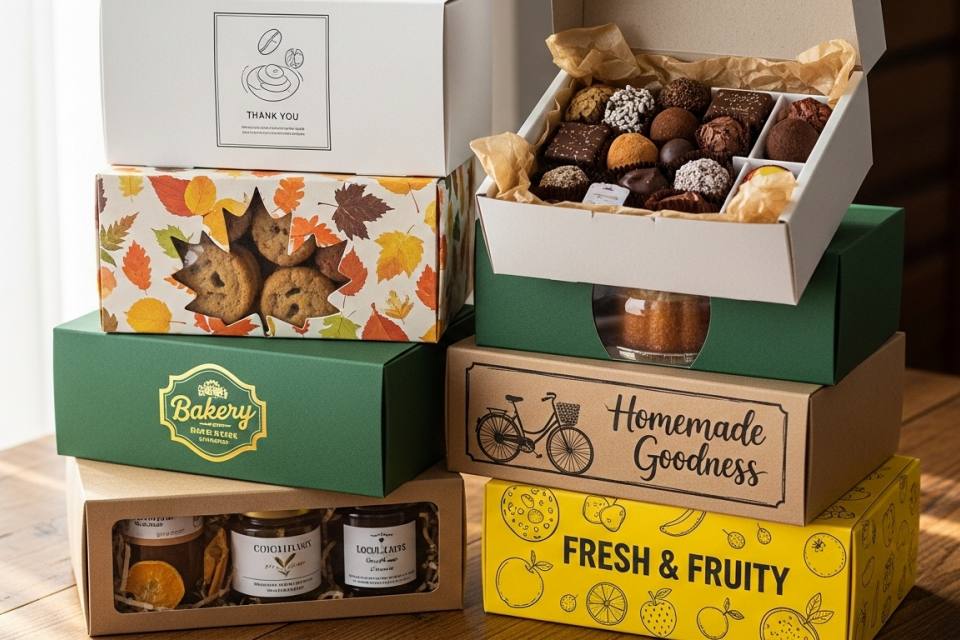
The packaging used in the chocolate and bakery industry varies widely based on the product type and intended use. Each packaging solution serves to protect the products, enhance visual appeal, and communicate brand identity.
Common Packaging Materials
The baking industry commonly utilizes a variety of materials for packaging, including: Cardboard and Paperboard: These materials are often chosen for their strength and lightweight properties, making them suitable for various bakery items. Plastic: Particularly for confectionery items, plastic is favored due to its grease resistance, physical strength, and printability. Its lightweight nature allows for multiple packaging configurations, including roll packs and twist wraps.
Specific Packaging Types
Bakery Boxes
Bakery boxes come in numerous shapes and sizes tailored to different baked goods. The appropriate size is critical to prevent damage during transportation.
- Sturdy Boxes: Constructed from corrugated materials, these boxes are designed to withstand the rigors of shipping.
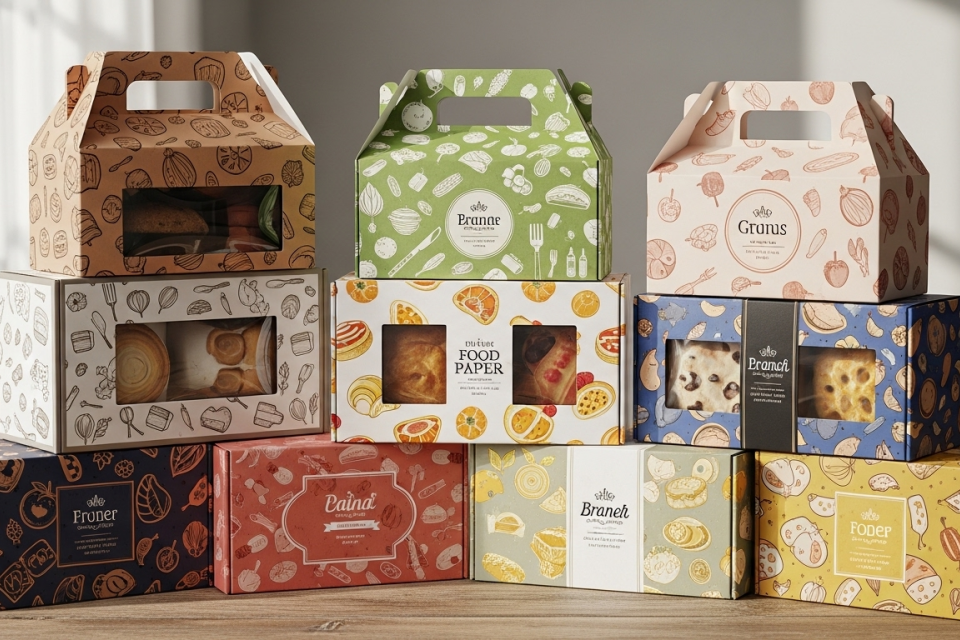
- Window Boxes: Featuring a transparent window, these boxes allow customers to see the product inside, enhancing the shopping experience.
Confectionery Packaging
Confectionery items, like chocolates and macarons, often require specialized packaging to maintain freshness and presentation:
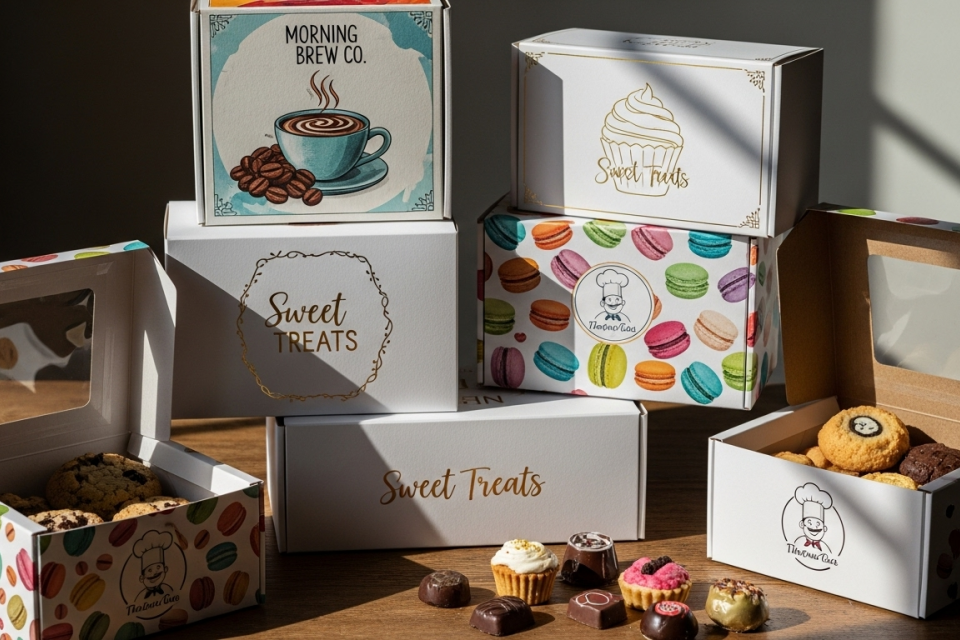
- Macaron Boxes: Designed to be visually appealing, these boxes provide adequate space to prevent damage and often feature elegant paper designs.
- Flexible Plastic Films: These are increasingly replacing traditional materials, providing better flex crack resistance and cost-effectiveness.
Eco-Friendly Options
Sustainability has become a significant consideration in packaging design.
- Biodegradable Plastics and Plant-Based Materials: Companies are exploring these options to meet consumer demand for eco-friendly practices.
- Recyclable Paperboard: Studies show that minimalist, eco-friendly packaging increases consumer trust and aligns with ethical practices.
Adaptive Packaging Solutions
To address the complexities of multiple distribution channels, adaptable packaging systems are employed. These systems allow for a core box design that can be modified with various labels and inserts, helping to maintain consistent branding while catering to specific market needs. This approach streamlines operations and enhances the visual impact across different sales channels.
Design Considerations
When designing chocolate and bakery boxes, several key factors must be taken into account to ensure the packaging is both visually appealing and functional.
Elements of Design
The design process involves various elements, including color, size, texture, and shape. These components play a critical role in attracting consumers and conveying the brand identity. For instance, specific colors can evoke particular emotions; warm colors like red and orange often convey feelings of happiness and energy, making them suitable for indulgent products like chocolates.
Functionality and Usability
Beyond aesthetics, the functionality of the packaging is paramount. Effective designs must ensure that the package is easy to open, store, and dispose of. Features such as resealable lids or easy-pour spouts can enhance user experience, especially for bakery items that require convenience. A thoughtfully designed package should not only appeal to the senses but also offer a seamless interaction, as seen with premium products where packaging significantly contributes to the overall perception of quality.
Brand Alignment
The packaging should align with the brand’s core values and visual identity. This includes using colors, fonts, and imagery that resonate with the brand’s personality. For example, a brand focused on sustainability might choose eco-friendly materials and earthy tones, while a luxury brand may opt for premium materials and elegant designs to reflect exclusivity.
Storytelling through Packaging
Packaging also serves as a storytelling medium, allowing brands to communicate their narrative and values visually. This can include highlighting the product’s origin or the craftsmanship involved in its creation. By using visual elements and textures, brands can create a narrative that resonates with consumers and enhances emotional connections.
Consideration of Environmental Impact
With increasing consumer awareness around sustainability, it is crucial for brands to incorporate eco-friendly practices into their packaging design. Utilizing recycled materials or biodegradable options not only reduces waste but can also enhance brand storytelling, appealing to eco-conscious consumers.
Balancing Cost and Innovation
Designers must also navigate the balance between innovative packaging solutions and cost implications. While unique and high-quality designs can enhance brand perception, they often come with increased production costs. Brands must evaluate whether the benefits of innovative designs justify the investment.
Production Processes
Sustainable Practices in Packaging
The shift towards sustainability is significantly influencing production processes within the chocolate and bakery sectors. Companies like Theegarten-Pactec are enhancing their machinery to handle sustainable materials without sacrificing efficiency. For instance, their reengineered FPC5 high-speed packaging machine now accommodates paper-based flow packs through both cold- and heat-sealing methods, catering to the growing demand for eco-friendly solutions in packaging.
Cama Group highlights the importance of versatility in packaging machines, which are increasingly required to process multiple flavors and formats while focusing on sustainable materials. Their labelling technology has replaced traditional multipack flow wraps with labels that secure individual products, contributing to reduced packaging waste and improved consumer accessibility.
Technological Innovations
Automation and advanced technologies are reshaping production processes. 3D printing is being utilized to create intricate designs in baked goods, optimizing ingredient usage and enabling unique product offerings. AI-powered systems are also enhancing quality control by inspecting baked goods for defects, thereby ensuring that only high-quality products reach the market. Furthermore, predictive analytics assist bakeries in managing inventory effectively, which is crucial for minimizing waste and aligning production with consumer demand.
Additionally, Ishida’s Sentinel 5.0 production monitoring software exemplifies how AI technology can be employed to optimize packaging machine efficiency by providing insights into operational performance. This aligns with the Industry 5.0 principles, emphasizing human-to-machine collaboration and data-driven decision-making.
Challenges in Production
Despite advancements, the industry faces challenges related to rising costs for energy and raw materials, which significantly impact small and mid-sized businesses. The dramatic increases in the costs of essential ingredients such as sugar and butter in 2022 have put substantial pressure on these companies, leading some to reevaluate their production strategies. In this environment, companies must remain adaptable, not only in terms of machinery but also in their approach to sourcing and utilizing materials.
Trends in Packaging Design
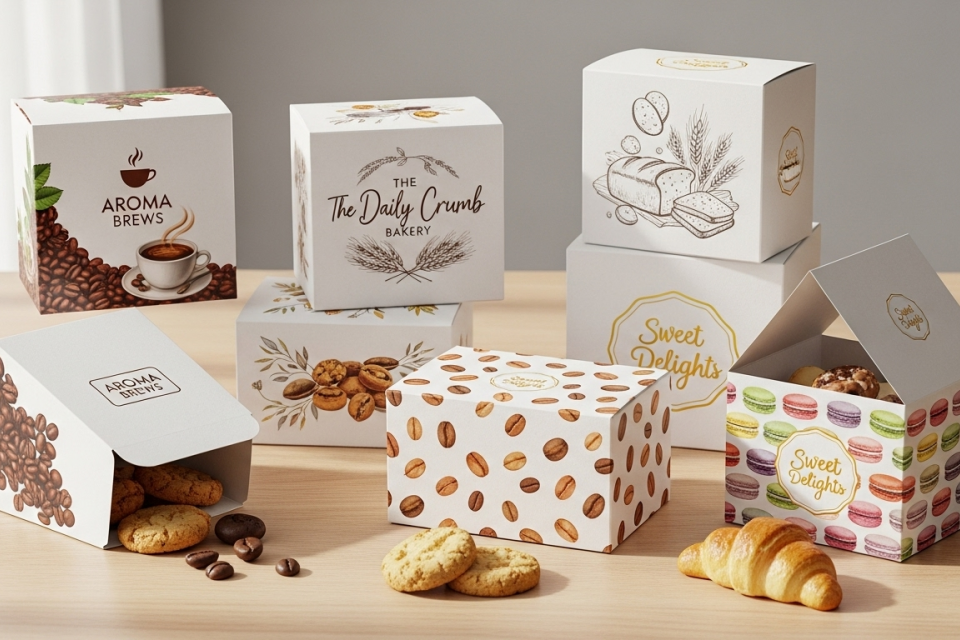
In 2023, packaging design trends for chocolate and bakery products have shifted towards a combination of maximalism and minimalism, reflecting a dynamic consumer landscape. Brands are increasingly creating custom packaging that features bold, bright, and maximalist designs, departing from the previously dominant minimalistic styles that have been prevalent in recent years. This evolution is not merely aesthetic; it is also a response to consumer preferences for more vibrant and engaging visual experiences that evoke nostalgia for the colorful designs of the past decades.
Personalization and Customization
Another noteworthy trend is the rise of personalization and customization in packaging. This approach allows brands to forge deeper emotional connections with consumers. Initiatives like Coca-Cola’s “Share a Coke” campaign, which featured personalized bottles, and Nutella’s customizable jars demonstrate how tailored experiences can enhance consumer engagement and loyalty. In the premium chocolate sector, unique shapes, sizes, and personalized messages are becoming standard as brands seek to differentiate themselves in a crowded market.
Functional and Sustainable Innovations
Functionality remains a critical element in packaging design. It is essential for packages to protect products, be easy to open, and enhance usability for consumers. Innovations such as resealable bags for snacks and easy-pour spouts for liquids illustrate the importance of convenience in modern packaging. Alongside functionality, sustainability has become a significant concern, with eco-friendly packaging options gaining popularity as consumers increasingly prioritize environmentally conscious choices.
Interactive and Engaging Designs
With the digital revolution, interactive packaging is also on the rise. This trend allows consumers to engage with brands through QR codes and augmented reality features, providing an immersive experience that transcends traditional packaging. These interactive elements not only capture consumer attention but also promote brand identity and enhance the overall product experience.
A Balance of Aesthetics and Practicality
The current design trends emphasize a balance between aesthetics and practicality. Minimalist designs, characterized by clean lines and focused typography, can elevate a product’s perceived quality by removing distractions. In contrast, maximalist elements are being integrated to make products stand out on shelves, appealing to consumers’ desires for both elegance and excitement in their purchasing decisions.
Case Studies
Importance of Package Design
Successful package design is critical for influencing consumer behavior and driving sales, particularly in competitive markets like chocolate and bakery products. Analyzing case studies from renowned brands such as Apple, Coca-Cola, and Tiffany & Co. highlights how thoughtful packaging can resonate with target audiences and enhance brand recognition. This understanding of packaging’s psychological impact allows businesses to create solutions that not only attract attention but also foster emotional connections with consumers.
Effective Chocolate Packaging Strategies
Luxurious and Elegant Designs
The design of chocolate packaging plays a pivotal role in shaping consumer perceptions and experiences. For instance, the use of luxurious chocolate boxes, often featuring golden accents on black packaging, creates an appealing unboxing experience that evokes excitement and anticipation. This approach can be particularly effective during key occasions, such as holidays or special events, where consumers are more likely to seek out premium offerings.
Eco-Friendly Options
With increasing consumer awareness around sustainability, eco-friendly chocolate packaging has gained popularity. Custom packaging that emphasizes reuse and environmental responsibility not only meets consumer demand but also enhances brand image by aligning with ethical practices. Brands that effectively communicate their commitment to sustainability can differentiate themselves in a crowded market and foster loyalty among environmentally conscious consumers.
Case Studies of Successful Brands
Apple
Apple’s packaging is often cited as a benchmark in design, as it combines simplicity with elegance. The unboxing experience is meticulously crafted to heighten consumer anticipation and delight, reinforcing the brand’s premium positioning in the market. By creating packaging that mirrors the quality and innovation of its products, Apple has set a standard for other brands in various sectors, including confectionery.
Coca-Cola
Coca-Cola’s iconic packaging exemplifies how design can create brand recognition and customer loyalty. The consistent use of distinct colors and logos across different product lines ensures that the brand remains memorable to consumers. This strategy has been successfully adapted by chocolate brands that seek to create a similar level of familiarity and appeal among their target audiences.
Tiffany & Co.
Tiffany & Co.’s packaging, characterized by its distinctive blue box, is a classic example of how luxury packaging can enhance product desirability. The brand’s packaging not only protects the product but also serves as a status symbol, contributing to the overall luxury experience associated with their jewelry. This approach has inspired chocolate brands to explore packaging that conveys sophistication and exclusivity.
Innovations in Packaging Technology
Innovations in packaging technology are transforming the landscape of the chocolate and bakery industry, enhancing both product preservation and consumer appeal. As the market grows, businesses are adopting advanced methods to meet the rising demand for efficiency, sustainability, and convenience.
Sustainable Packaging Solutions
The shift towards sustainable practices is a significant trend within the packaging industry. Manufacturers are increasingly using biodegradable materials, such as paper, cardboard, and plant-based plastics, to minimize their environmental impact. This not only caters to consumer preferences for eco-friendly options but also aligns with regulatory pressures for reducing packaging waste. The use of lightweight materials and optimized package sizes further supports this initiative by reducing the overall volume of materials used in production and transport.
Smart Packaging Technologies
Smart packaging technologies are becoming essential tools for maintaining product integrity and enhancing consumer experience. Techniques such as vacuum sealing and modified atmosphere packaging (MAP) are crucial for extending the shelf life of baked goods by preventing moisture gain or loss. Moreover, innovations like moisture-resistant barriers and strategic ventilation are tailored to specific products, such as cakes and crusty breads, ensuring optimal freshness and texture.
Adaptable Packaging Systems
To streamline operations, adaptable packaging systems are gaining popularity. These systems allow for a core box design that can be modified with various labels and inserts tailored to different distribution channels. This flexibility not only helps maintain consistent branding but also maximizes efficiency while minimizing costs associated with creating separate packaging for each channel.
Advanced Automation and Efficiency
Automation is playing a pivotal role in modern packaging solutions. Companies like Schubert are integrating all packaging process steps fully automatically, allowing for diverse packaging materials to be processed seamlessly. This level of automation ensures faster turnaround times and reduces the potential for human error, which can significantly enhance productivity and reliability in packaging operations.
Enhanced Consumer Engagement
The design and functionality of packaging are evolving to foster greater consumer engagement. Techniques such as the use of pull tabs and interactive elements inspire consumers to interact with the packaging in novel ways, transforming the unboxing experience into a memorable event. Additionally, the visual appeal of packaging is being prioritized to attract consumer attention and convey product quality effectively, making it a critical differentiator in a crowded market.