
Branding and Information on Electronics Boxes
This guide explores electronics box branding, from historical context to modern strategies, detailing how design, tech, and sustainability shape consumer perception.

Summary
Branding and information on electronics boxes encompass the strategic practices and design elements used to create a distinctive identity for electronic products, thereby influencing consumer perception and purchasing behavior. As the electronics market becomes increasingly competitive, effective branding through packaging plays a critical role in differentiating products, enhancing brand recognition, and establishing emotional connections with consumers. The significance of this topic lies not only in its impact on consumer choices but also in its ongoing evolution, driven by technological advancements and changing consumer expectations.
The historical roots of branding can be traced back to the 1500s, evolving from simple ownership marks to sophisticated marketing tools by the early 20th century. With the rise of consumerism post-World War II, packaging emerged as a vital component of branding strategies, emphasizing both functionality and aesthetic appeal. Today, the focus has shifted towards creating sustainable and interactive packaging solutions that enhance user experience and engage consumers through innovative technologies such as augmented reality (AR) and smart packaging features.
Key elements of branding on electronics boxes include typography, color schemes, imagery, and functional design. These components work together to create a cohesive brand identity that resonates with consumers. For instance, color psychology is leveraged to evoke specific emotions, while typography communicates brand personality. Furthermore, the incorporation of storytelling into packaging design enriches the consumer experience by sharing the brand’s mission and values, fostering deeper connections and loyalty.
Despite the advantages of effective branding and packaging, controversies exist, particularly regarding sustainability and regulatory compliance. As consumers increasingly demand eco-friendly options, brands face challenges in balancing aesthetic appeal with environmental responsibility. Additionally, navigating complex regulatory landscapes concerning consumer safety and environmental impact adds further complexity to packaging design. Ultimately, the evolution of branding and information on electronics boxes reflects a broader trend of aligning marketing strategies with consumer values and technological advancements in the modern marketplace.
Table des matières
Historical Background
Origins of Branding
The concept of branding can be traced back to the 1500s when it was primarily used to denote ownership, particularly among livestock farmers who branded their cattle to distinguish them from others. As the industrial landscape evolved, branding transformed into a more sophisticated practice aimed at creating unique identities for products and services, allowing them to stand out in a burgeoning marketplace.
The Rise of Modern Branding
The early 20th century marked significant advancements in branding, as technological innovations began to influence marketing practices. Companies such as Ford, Chanel, and LEGO emerged during this era, utilizing print advertisements in newspapers and magazines to communicate their brand messages. Emotional advertising became a key strategy as brands sought to forge deeper connections with consumers amidst rising competition.
Development of Packaging
Packaging has a long history, initially serving simple functions of containment and protection. The use of flexible materials can be traced back to the first or second century B.C. when the Chinese began wrapping food in sheets of prepared mulberry bark. Over the centuries, the practice of packaging evolved, influenced by advancements in materials and consumer demands.
Evolution Through the 20th Century
The post-World War II era saw a dramatic increase in consumerism, particularly in the United States, as economic growth enabled broader access to consumer goods. During this time, packaging began to gain importance, moving beyond mere functionality to become a vital aspect of product marketing. This period also saw the introduction of modern materials, including various types of plastics, which revolutionized packaging design and production processes.
Contemporary Developments
In recent decades, the packaging industry has experienced a paradigm shift, focusing on sustainability and user experience alongside traditional roles. Modern packaging is now designed not only for protection and preservation but also to communicate brand identity and engage consumers in meaningful ways. The rise of e-commerce and digital marketing has further transformed branding and packaging strategies, emphasizing the need for unique, memorable designs that resonate with contemporary consumers.
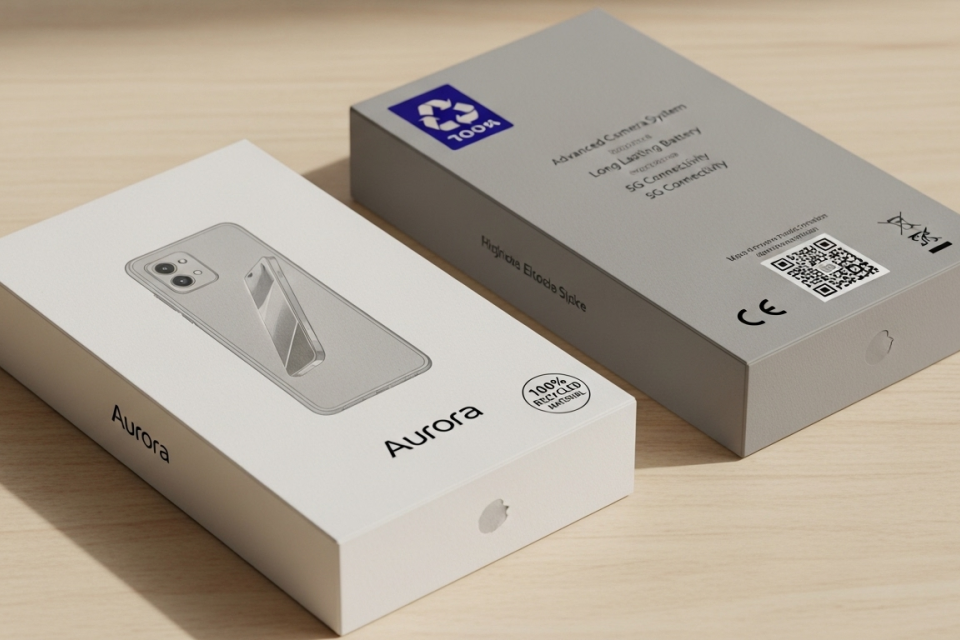
Elements of Branding on Electronics Boxes
Branding on electronics packaging plays a vital role in shaping consumer perception and establishing a meaningful connection between the brand and its customers. Several key elements contribute to effective branding within this context.
Branding Elements
Branding elements encompass logos, colors, fonts, and imagery that create a consistent identity across all packaging materials. This consistency reinforces brand recognition and consumer loyalty, making it easier for customers to identify and differentiate products on the shelves.
Typography
Typography is a critical aspect of branding on electronics boxes, as it encompasses the font, size, color, and layout choices used in packaging design. A well-considered typeface not only enhances visual appeal but also conveys the brand’s character and messaging effectively. For example, bold and modern typefaces may suggest innovation, while elegant serifs can evoke luxury and heritage. Marketers must pay attention to readability and accessibility, ensuring that the typography appeals to a broad audience, including individuals with visual impairments.
Color
Color selection is one of the most powerful branding tools in packaging design. Specific colors can evoke emotions and perceptions that resonate with target consumers. For instance, warm colors like red and orange often convey energy and passion, while cool colors like blue and green instill feelings of trust and reliability. The cultural context of color usage is also crucial; marketers must be aware of how colors are perceived differently across various cultures.
Imagery
Imagery includes the visual elements used in packaging that communicate brand values and elicit emotional responses from consumers. High-quality photos or illustrations can highlight the product’s benefits and create a connection with potential buyers. Effective imagery can entice consumers and communicate the unique value proposition of the product.
Functional Design
Beyond aesthetic appeal, functional design aspects are essential in electronics packaging. The packaging must not only protect the product but also facilitate an enjoyable unboxing experience. Features like ease of opening, resealability, and storage convenience enhance user experience and contribute to brand satisfaction.
Augmented Reality (AR)
Incorporating augmented reality features into electronics packaging offers an interactive experience that merges technology with art. AR can provide product tutorials, showcase features, and enhance the consumer journey, fostering deeper engagement and brand loyalty.
Storytelling
Integrating storytelling into packaging design can enrich the consumer’s experience by narrating the product’s journey or the brand’s mission. This can create a holistic brand experience that resonates emotionally with consumers, leading to stronger customer-brand relationships.
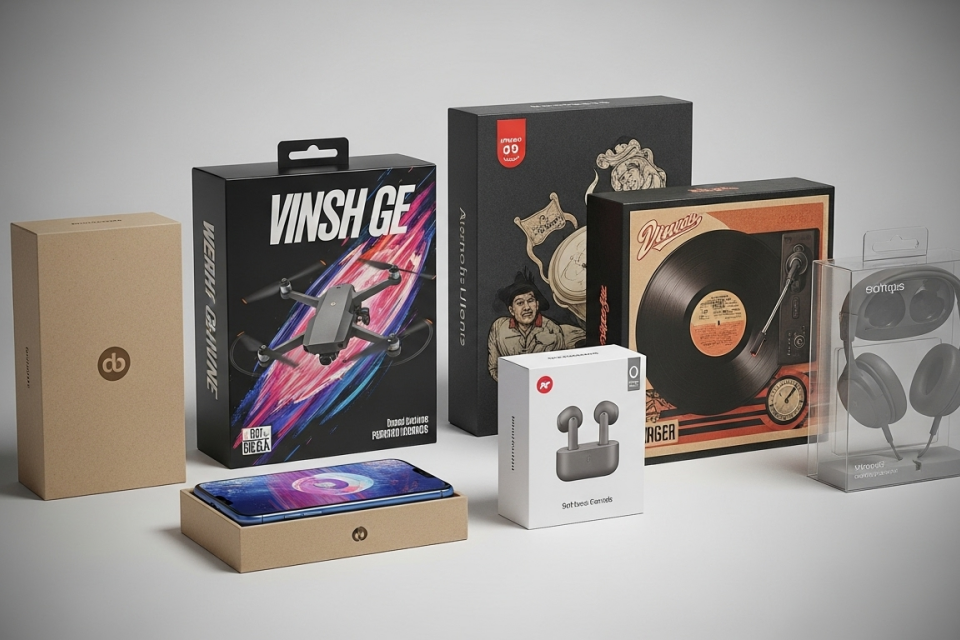
Types of Electronics Packaging
Overview
Electronics packaging encompasses a variety of methods and materials designed to protect and market electronic devices. The packaging not only serves as a protective enclosure but also plays a significant role in branding and consumer appeal. Different types of electronics packaging can be classified based on the level of integration, material used, and the specific protective features required for the device being packaged.
Levels of Packaging
Electronic packaging is typically categorized into three levels: component, board, and system.
Component Packaging
This level involves the packaging of individual semiconductor devices, which often require specific protective features to ensure functionality and durability. Custom enclosures may be designed to meet the particular needs of these small components, which are crucial for the overall performance of electronic systems.
Board Packaging
Board packaging refers to the enclosures that house circuit card assemblies (CCAs). This level must consider factors such as heat dissipation, electromagnetic interference (EMI) shielding, and ease of access for maintenance and upgrades. The packaging design must also comply with safety standards, particularly regarding external case temperatures and grounding of exposed metal parts.
System Packaging
System packaging involves complete enclosures for larger electronic systems, such as computers or servers. At this level, the design must accommodate multiple components and ensure protection against mechanical damage, cooling, and radio frequency noise emission. It may also include user-friendly features for easy setup and operation.
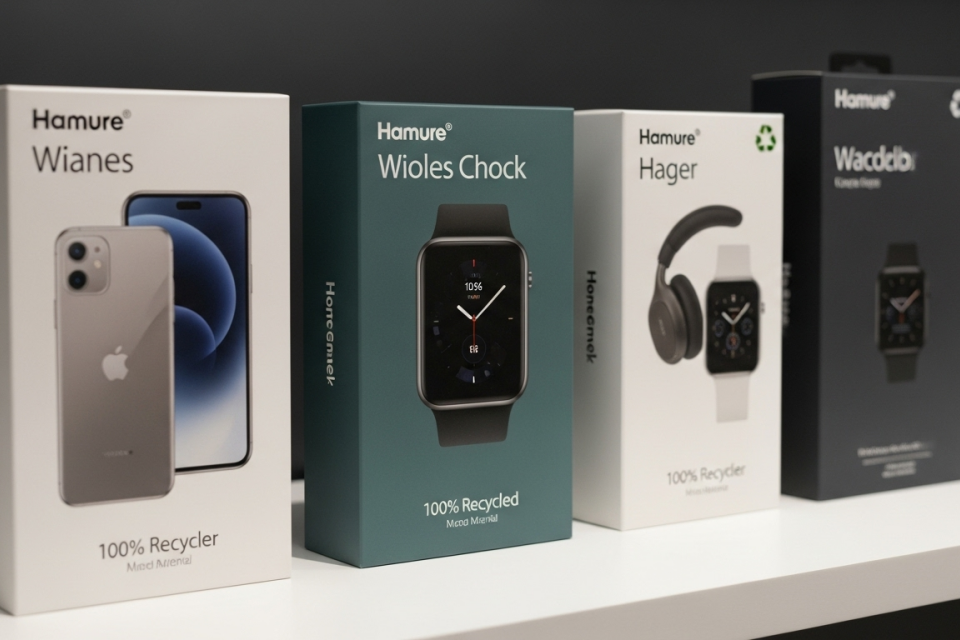
Materials Used
Machined Metal
For high-precision applications, machined metal packaging is often employed. Typically made from aluminum, this method allows for complex shapes that are crucial in sectors like aerospace, where electromagnetic properties must be meticulously managed. The production of these components usually involves computer-aided design (CAD) tools to create custom shapes quickly.
Molded Plastic
Molded plastic is a common choice for mass-produced electronic products due to its versatility and cost-effectiveness. Injection molding and die casting are often used to create enclosures that are both lightweight and robust. This method enables manufacturers to achieve high volumes of production while maintaining consistent quality and detail in the packaging design.
Sustainable Materials
With an increasing focus on eco-friendliness, many brands are exploring sustainable packaging materials. Companies like Sony have made strides in using innovative, eco-friendly packaging that reduces plastic use without compromising on quality. Sustainable materials not only appeal to environmentally conscious consumers but also align with broader trends in responsible manufacturing.
Design Considerations
When creating packaging for electronic devices, designers must balance several factors, including protection, usability, and branding. Packaging should fit the product securely while providing adequate protection from external elements, and it should communicate essential information effectively. Additionally, the aesthetic appeal of packaging, achieved through careful selection of colors and fonts, can enhance the product’s marketability.
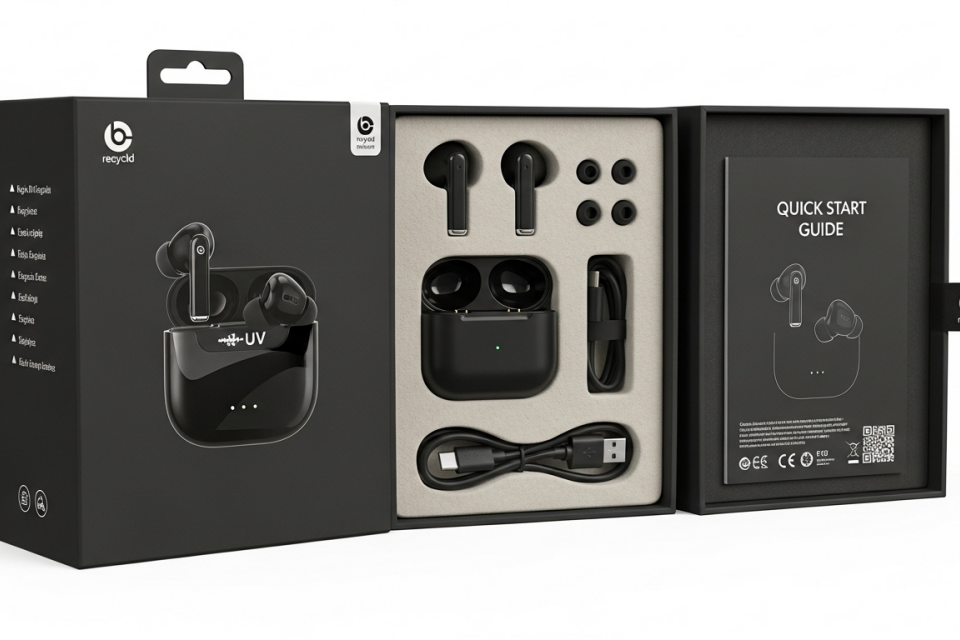
Branding Strategies in Electronics Packaging
Branding in electronics packaging plays a crucial role in influencing consumer perceptions and purchasing decisions. Effective packaging design not only protects the product but also serves as a powerful marketing tool that enhances the customer experience and elevates brand recognition.
Defining a Branding Strategy
To create impactful packaging, it is essential for companies to establish a comprehensive branding strategy. This involves understanding the target audience, their demographics, interests, and purchasing habits. By aligning packaging design with consumer preferences, brands can increase their appeal and engage potential customers more effectively. For example, high-end electronics may require more sophisticated packaging compared to budget-friendly options, reflecting different consumer expectations and aspirations.
Understanding the Target Audience
A deep understanding of the target audience is vital in the development of packaging strategies. Companies should utilize various methods, such as online analytics, focus groups, and surveys, to gather insights on consumer behavior and preferences. This information aids in creating designs that resonate with the intended market segment and increases the likelihood of attracting attention on retail shelves.
Visual Appeal and Communication
Visual elements are critical in packaging design. Effective use of colors, imagery, and