
Safe Packaging for Glassware
This guide covers glassware packaging, from materials and techniques to regulations and sustainability, ensuring items arrive safely and intact.

Resumen
Safe packaging for glassware refers to the methods and materials employed to protect fragile glass items during storage and transportation. Given the widespread use of glassware in various sectors, including laboratories, food and beverage industries, and everyday household settings, the need for effective packaging solutions is critical. The fragility of glass makes it particularly vulnerable to breakage, which can lead to safety hazards and financial losses. Thus, understanding and implementing safe packaging practices is essential for both consumers and businesses alike.
The packaging process encompasses a range of strategies, including the selection of appropriate cushioning materials like bubble wrap and foam inserts, the use of structural supports such as dividers, and the application of proper sealing and labeling techniques to indicate fragility. By ensuring that glassware is securely wrapped and cushioned within sturdy containers, the risk of damage during handling and transit can be significantly minimized. Moreover, innovations in embalajes sostenibles and smart technologies are increasingly shaping the glassware packaging landscape, catering to a growing consumer preference for eco-friendly solutions.
Controversies surrounding safe packaging for glassware often stem from regulatory compliance issues, as manufacturers must adhere to stringent safety and environmental standards. In the United States, organizations like the Food and Drug Administration (FDA) impose regulations that govern the safety of materials used in food contact packaging, prompting companies to focus on non-toxic and recyclable options. As consumers demand transparency and sustainability, packaging practices face scrutiny, leading to ongoing discussions about balancing safety, innovation, and environmental responsibility within the glassware industry.
In conclusion, the importance of safe packaging for glassware extends beyond mere protection of fragile items; it encompasses a broader commitment to consumer safety, environmental sustainability, and regulatory compliance. As trends evolve and new technologies emerge, stakeholders in the glassware market continue to refine their packaging methods to meet the expectations of an increasingly discerning consumer base.
Types of Glassware
Glassware is a crucial component in various fields such as laboratories, beverage packaging, and everyday household use. Each type of glassware is designed with specific functions and characteristics that make it suitable for its intended application.
Laboratory Glassware
Laboratory glassware is essential for conducting experiments, measuring, mixing, and storing chemical substances.
- Beakers: Used for mixing and heating liquids.
- Flasks: Such as Erlenmeyer flasks, designed for mixing and swirling without risk of spillage.
- Test Tubes: Ideal for holding small samples or conducting chemical reactions.
- Graduated Cylinders: Used for precise measurement of liquid volumes.
Due to their fragile nature, proper handling and safety measures are vital to prevent breakage, which can lead to injuries or contamination. It is important to inspect glassware for damages regularly and handle it with care to maintain a safe laboratory environment.
Beverage Glassware
Beverage glassware is utilized for serving drinks and includes a variety of shapes and sizes.
- Tumblers: Versatile glasses for serving both hot and cold drinks.
- Wine Glasses: Designed to enhance the tasting experience of wine.
- Beer Mugs: Used for serving various types of beer, often designed with thicker glass for durability.
Glass packaging for beverages is preferred due to its recyclability and lack of chemical leaching, making it an eco-friendly option compared to plastic alternatives. This type of glassware also contributes to the aesthetic appeal of beverages, enhancing the overall drinking experience.
Custom Glassware
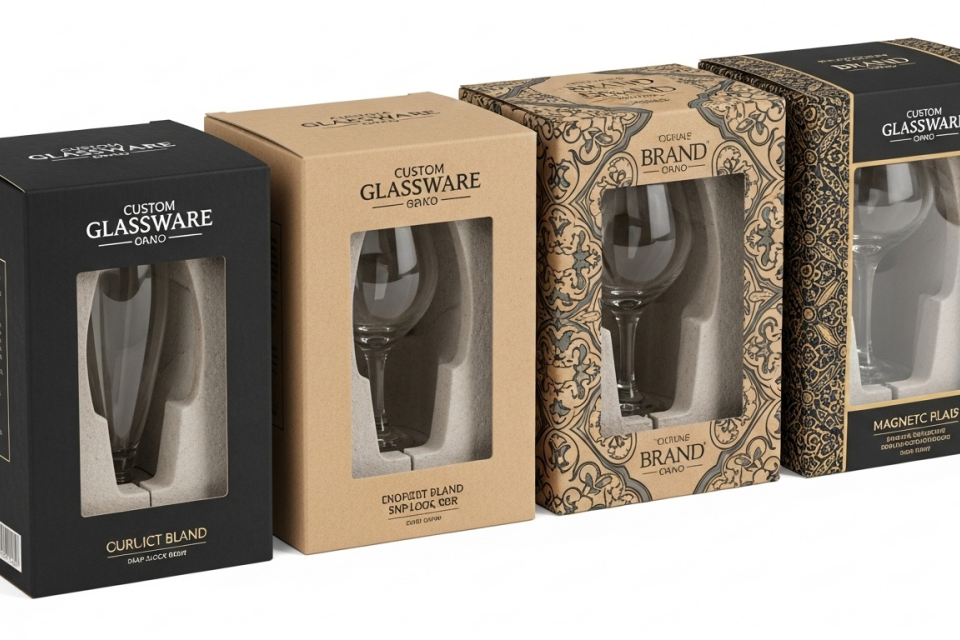
Custom glassware refers to specialized glass products designed to meet specific needs of businesses or industries. This includes personalized shapes, sizes, and designs tailored for branding or functional purposes. Custom packaging solutions offer additional protection for glassware during shipping, minimizing movement within the package and ensuring items arrive safely at their destination. Companies often work with packaging experts to develop suitable solutions that cater to the fragility of glass products, thus enhancing their marketability and consumer safety.
Tabla de contenido
Materials Used in Packaging
Types of Packaging Materials
Various materials are utilized in the packaging of glassware to ensure safety and prevent breakage during transportation. The selection of appropriate materials is crucial given the fragile nature of glass items.
Cushioning Materials
Cushioning materials are essential for providing shock absorption and stability to glass products.
- Bubble Wrap: This widely-used material is excellent for protecting breakables like stemware due to its air-filled bubbles, which absorb shocks and prevent impacts.
- Crumpled Paper: An economical choice, crumpled paper can create air pockets and fill gaps in packing boxes, providing an additional layer of cushioning. It is recommended to use ink-free paper to avoid smudging on glassware.
- Packing Peanuts: Loose fill materials like packing peanuts are effective in filling spaces around glass items, further reducing movement during transport.
- Foam Sheets: These sheets can also be employed for cushioning fragile glass items and are often used in combination with other packing materials.
Structural Supports
In addition to cushioning, structural supports help keep glassware secure within packaging:
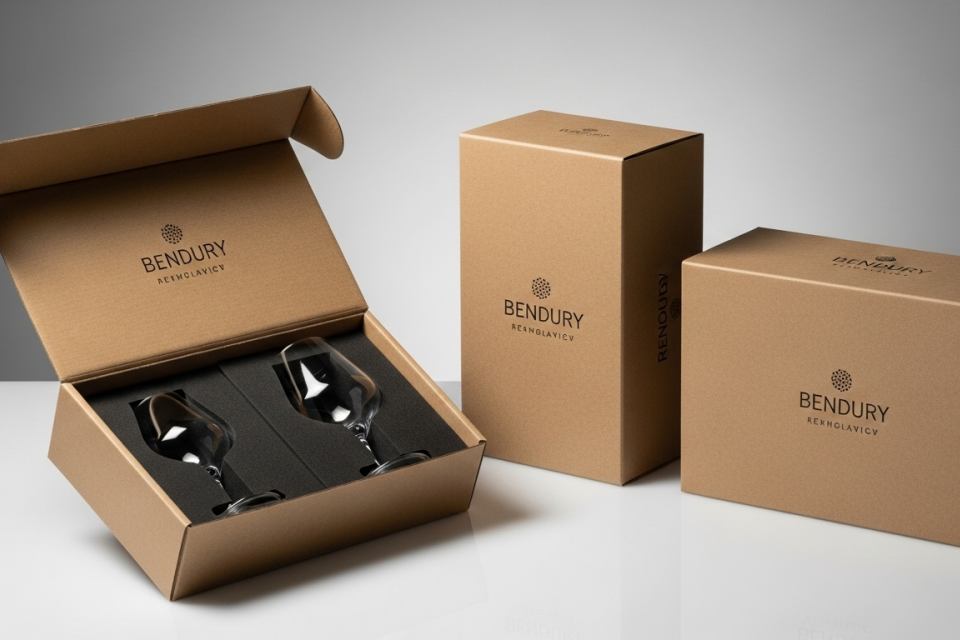
- Dish Dividers: These inserts help separate individual glass items within a box, minimizing the risk of contact and subsequent breakage during transit.
- Sturdy Cardboard Boxes: Specialized dish boxes, designed for glassware, are made from thicker cardboard, providing better protection against crushing and damage compared to regular boxes. Their reinforced structure helps withstand stacking in moving trucks.
Sealing and Labeling
Proper sealing and labeling are also critical components of glass packaging:
- Packing Tape: High-quality packing tape is essential for securely sealing boxes and ensuring moisture does not reach the contents.
- Labels: Clearly labeling boxes with instructions such as “Fragile – Glasses” helps ensure careful handling during transportation.
Alternative Packing Materials
In the absence of traditional packing supplies, household items can serve as effective alternatives:
- Towels and Socks: Clean, soft towels or unpaired socks can be utilized to wrap delicate glass items, providing adequate protection.
- Dish Dividers: These can be acquired from moving and packing stores to offer additional protection.
The combination of these materials and techniques plays a vital role in safeguarding glassware during storage and transport, ensuring items arrive at their destination intact.
Packaging Techniques
Importance of Packaging for Glassware
Proper packaging is essential when shipping glassware, as the fragile nature of glass makes it susceptible to breakage during transit. Utilizing the right techniques not only protects the glass items but also ensures that they arrive at their destination in pristine condition.
Recommended Packaging Materials
To effectively package glass items, several materials can be utilized.
- Bubble Wrap: Wrapping glassware in at least three layers of bubble wrap provides effective cushioning and shock absorption. It is advisable to wrap each piece individually to minimize the risk of contact and damage.
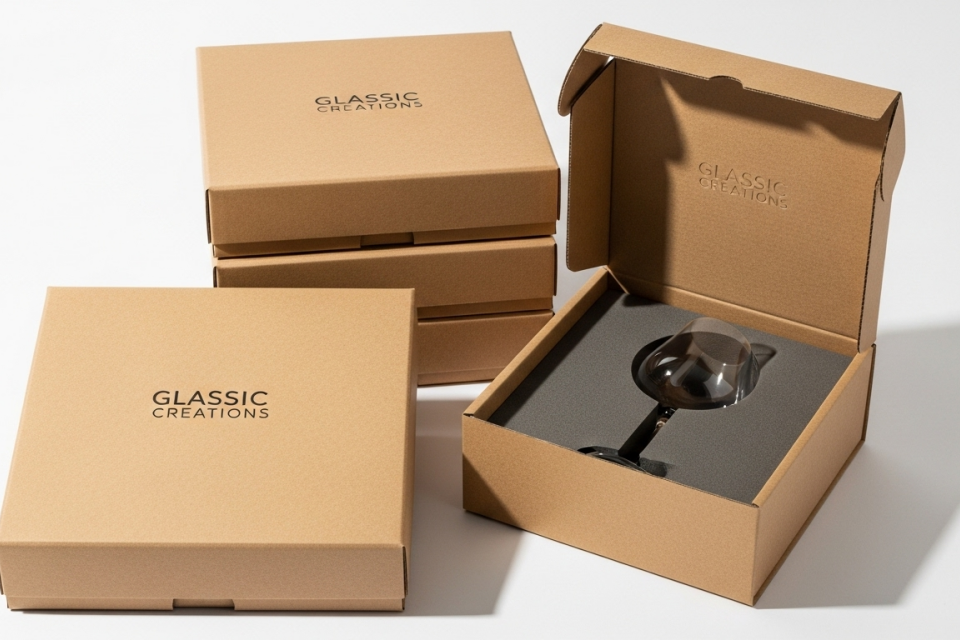
- Corrugated Inserts: Custom corrugated cardboard inserts can be used to create compartments within the box, ensuring that glass items are held securely in place during shipping. These inserts offer additional protection and help prevent movement.
- Foam Inserts: For more delicate or irregularly shaped glass items, foam inserts are the best option. They provide superior shock absorption and can be tailored to fit specific items, ensuring maximum stability and protection.
- Crumpled Paper: Crumpled paper can be used to fill empty spaces within the box, creating air pockets that absorb shock. It is a versatile and cost-effective cushioning material.
Step-by-Step Packing Process
- Prepare the Base: Begin by lining the bottom of a sturdy corrugated box with at least two inches of packing peanuts or crumpled paper. This layer serves as the first line of defense against impacts.
- Wrap Each Item: Individually wrap each piece of glassware in paper followed by several layers of bubble wrap. For added protection, use soft towels or clean socks if packing paper is unavailable.
- Place Items in Box: Carefully arrange the wrapped glassware in the box, ensuring that no two pieces are in direct contact with each other. Use dividers or additional cushioning materials to maintain spacing.
- Fill Gaps: After placing the glass items in the box, fill all remaining gaps with packing peanuts or crumpled paper to minimize movement during transit.
- Seal the Box: Securely close the box using high-quality packing tape, reinforcing the seams and edges to prevent any openings. Label the box as “Fragile” and “Handle with Care” to encourage careful handling by shipping personnel.
Testing and Quality Assurance
Before shipping, it is recommended to gently shake the box to test for movement. If any items shift or clink together, add more padding until the contents are snug and secure. Conducting a test pack can help identify any potential weaknesses in the packaging before the actual shipment.
By employing these techniques, businesses and individuals can significantly reduce the risk of damage when shipping glass items, ensuring they arrive safely at their intended destination.
Regulations and Standards
The packaging of glassware is subject to a variety of regulations and standards designed to ensure safety and compliance throughout the manufacturing and distribution processes. These regulations primarily focus on the materials used, safety assessments, and environmental impacts.
Overview of Packaging Regulations
In the United States, packaging regulations are governed by multiple federal agencies, including the Food and Drug Administration (FDA) and the Department of Transportation (DOT). The FDA’s regulations focus on food packaging, ensuring that materials used in contact with food are safe and do not pose health risks to consumers. Glass, recognized for its inert properties, is generally favored for food packaging due to its ability to maintain safety standards regardless of recycling.
Safety Assessments for Glass Packaging
Before glass packaging can be marketed, it must undergo a safety review process. The FDA’s Food Contact Substance Notification (FCN) process requires manufacturers to submit data demonstrating that the materials used are safe for their intended applications. This ensures that any substances that may migrate from the packaging into the food are proven to be non-harmful.
Environmental Compliance
With increasing focus on sustainability, regulations also emphasize the importance of using recyclable materials. Manufacturers are encouraged to prioritize sustainable practices in their packaging choices, aligning with global environmental standards and reducing waste. The FDA requires that even recycled materials meet the same safety standards as new materials, necessitating thorough risk assessments to avoid potential contaminants.
Compliance with International Standards
For companies involved in global trade, adherence to international standards is crucial. The United Nations (UN) has established packaging codes that specify requirements for the safe transport of hazardous materials, including those packaged in glass containers. These codes help ensure compliance across different regulatory jurisdictions, which is essential for international logistics and market entry.
Best Practices for Safe Packaging
When shipping glassware and other fragile items, adhering to best practices for packaging is essential to minimize the risk of damage during transit. The following guidelines outline effective strategies to ensure that glass products arrive safely at their destination.
Preparing Glass Items
Before packaging, it is crucial to clean and inspect each glass item for any pre-existing defects that could be exacerbated during shipping. A thorough inspection helps identify cracks or weaknesses that may lead to breakage.
Individual Wrapping
Each glass item should be wrapped individually to provide maximum protection. The recommended method involves using bubble wrap, with at least two layers around each item. Secure the wrap with packing tape to prevent slipping during movement. For items like bottles or glassware with handles, foam sleeves can offer additional protection.
Choosing the Right Packaging
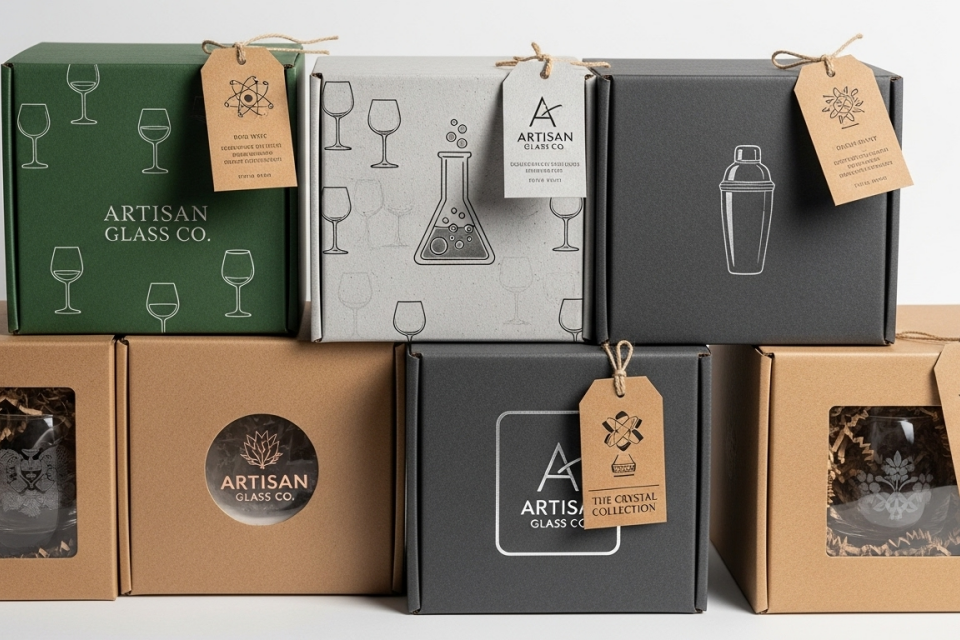
Selecting the appropriate box is a fundamental step in protecting glass items. A sturdy, corrugated box should be slightly larger than the wrapped item to allow for cushioning materials, but not so large that the item can shift excessively during transport. Custom packaging can also enhance protection through its form-fitting design, minimizing movement within the box.
Cushioning and Filling Empty Spaces
Cushioning is critical in packaging fragile items. Use materials like packing paper, crumpled paper, or additional layers of bubble wrap to fill any empty spaces within the box, which helps to stabilize the wrapped glass items and prevent them from shifting during transit. Ensuring that the box is tightly packed will reduce the risk of impact damage.
Sealing and Labeling
Once all items are securely packed, seal the box with strong packing tape to prevent it from opening during shipping. Clear and proper labeling is essential; this includes indicating the contents as fragile and providing handling instructions. Using standardized labels helps ensure compliance with shipping regulations and enhances the safety of the package.
By following these best practices, shippers can significantly reduce the likelihood of damage to glass items during transport, ensuring that products reach their destination in optimal condition.
Innovations and Trends
Sustainable Packaging Solutions
In recent years, there has been a significant shift towards sustainable packaging solutions within the glass packaging industry. This trend is driven by increasing consumer demand for environmentally friendly options, with 65% of consumers expressing greater trust in products packaged in glass due to its sustainability credentials. Companies are responding by focusing on the development of packaging made from 100% recycled materials and employing efficient production methods to reduce their environmental impact. Furthermore, the integration of lightweight designs is enhancing the sustainability of glass packaging without compromising its protective qualities.
Smart Packaging Technologies
The adoption of smart technology in glass packaging is revolutionizing the industry. Innovations such as QR codes, NFC tags, and thermochromatic inks are being integrated into packaging designs, allowing brands to engage consumers more effectively while ensuring product safety. These technologies not only enhance user interaction but also provide additional layers of product information and freshness indicators, contributing to a more informed consumer experience.
Regulatory Compliance and Innovation
As the industry evolves, companies are increasingly prioritizing compliance with health and safety regulations, particularly those set forth by the FDA. Staying ahead of regulatory changes has become vital for businesses aiming to maintain consumer trust and product integrity. The incorporation of digital compliance systems is on the rise, helping companies manage documentation and testing processes more efficiently. This commitment to regulatory adherence is crucial as it supports the ongoing innovation in packaging materials and practices.
Minimalist Design Trends
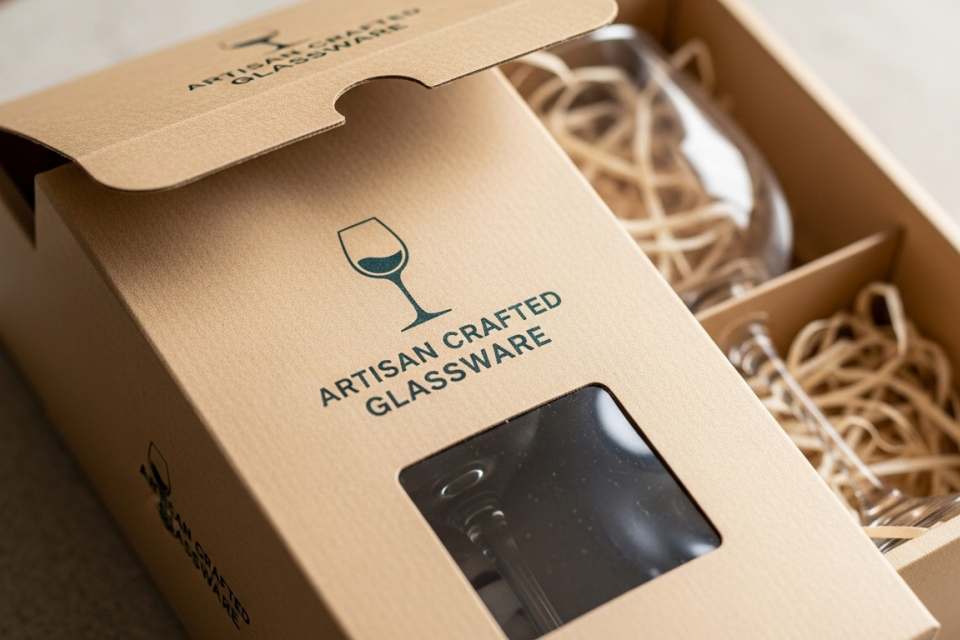
Minimalist design is another prominent trend in glass packaging. In 2023, consumers are gravitating towards simple and clean packaging aesthetics, reflecting a broader desire for transparency and sustainability in product offerings. This design philosophy not only appeals to consumer preferences but also reinforces the brand’s commitment to eco-friendly practices.
Case Studies in Innovation
Several companies are leading the way in sustainable packaging innovations, showcasing their efforts through various case studies. These examples highlight the successful implementation of packaging solutions that reduce waste and enhance product protection, effectively improving the unboxing experience for consumers. As the glass packaging industry continues to evolve, these case studies serve as valuable resources for companies looking to innovate and adopt more sustainable practices.
Common Mistakes and How to Avoid Them
When packaging glassware, several common mistakes can lead to breakage and damage during transportation. Understanding these pitfalls and implementing best practices can significantly reduce the risks associated with shipping fragile items.
Inadequate Protection
One of the most prevalent errors is the lack of proper packaging materials. It is essential to wrap each glass item individually, using at least three layers of bubble wrap for adequate protection. Additionally, using a box that is too large without sufficient padding can lead to movement within the box, increasing the chances of breakage. A good rule of thumb is to leave some empty space in the box for items to move slightly without risking damage, but not so much that they can collide with one another.
Disregard for Internal Supports
Another mistake is failing to include internal supports within the packaging. Internal bracing, such as packing peanuts or crumpled paper, stabilizes the items and prevents them from shifting during transit. Without these supports, the items may jostle against each other, leading to scratches, cracks, or even complete breakage.
Improper Orientation
Packing glass items in the wrong orientation can also contribute to damage. For instance, plates should be packed vertically in stacks and taped together, resembling how they would be loaded into a dishwasher. This method helps minimize movement and protects the items from impacts. Bowls should also be wrapped individually and packed sideways to avoid nesting, which increases the risk of cracks and breaks.
Insufficient Labeling
Failure to label boxes clearly as “Fragile” is a common oversight. Proper labeling informs handlers of the contents and the care required during transport, reducing the likelihood of rough handling. Furthermore, sealing boxes securely with high-quality packing tape is crucial to keep moisture out and prevent items from shifting.
By recognizing and addressing these common mistakes, individuals can significantly improve the safety and security of their glassware during packaging and transportation. Implementing best practices ensures that delicate items arrive at their destination intact and unharmed.