
Keeping Food Fresh in Transit
Maintaining food freshness in transit is a critical part of the global food supply chain, requiring temperature control, specialized packaging, and real-time monitoring to ensure product safety and quality.

Zusammenfassung
Keeping food fresh in transit is a critical aspect of the global food supply chain, encompassing a range of strategies and technologies to maintain product quality and safety from production to the consumer. This process, often referred to as cold chain logistics, involves meticulous temperature and humidity control, specialized packaging solutions, und real-time monitoring to prevent spoilage and contamination. The demand for fresh, perishable goods in a globalized market has elevated the importance of efficient and reliable transit methods.
Packaging plays a pivotal role, with materials like insulated containers and advanced technologies such as Modified Atmosphere Packaging (MAP) helping to extend shelf life. Innovations are constantly evolving to meet the dual challenges of food safety and environmental sustainability. Smart packaging with integrated sensors, for example, provides real-time data on temperature and conditions, ensuring compliance and quality.
Challenges such as time-sensitive operations, infrastructure limitations, and evolving regulations require a comprehensive and adaptive approach. By integrating advanced refrigeration techniques, robust monitoring systems, and a commitment to global standards, the industry can ensure that food products remain safe, fresh, and appealing to consumers upon arrival. The future of this field lies in continued technological innovation, from blockchain for supply chain transparency to biological logistics, all aimed at enhancing efficiency and reducing waste.
Inhaltsverzeichnis
Methods of Keeping Food Fresh
Keeping food fresh in transit relies on a combination of strategic methods that address the key factors causing spoilage. These methods are often implemented in a coordinated manner to create a robust cold chain.
Temperature Control
Temperature control is the most critical factor in preserving the freshness and safety of perishable goods. The goal is to maintain a consistent, product-specific temperature range throughout the entire transit process. This is achieved through refrigerated trucks, insulated containers, and gel packs.
Humidity Management
Humidity also plays a significant role in food preservation. High humidity can lead to condensation and mold growth, while low humidity can cause dehydration and wilting, particularly in fresh produce. Specialized containers and packaging with moisture-absorbing or releasing properties are used to manage humidity levels.
Verpackungslösungen
Effective packaging solutions are essential to protect food from physical damage, contamination, and environmental factors. Materials are chosen based on the food type, transit duration, and temperature requirements.
Real-Time Monitoring
The use of sensors and data loggers for real-time monitoring of temperature and humidity is becoming standard practice. This technology allows for immediate alerts if conditions deviate from the required range, enabling a quick response to prevent spoilage.
Emergency Preparedness and Staff Training
Training staff on proper handling procedures and having emergency plans in place are crucial for ensuring a smooth supply chain. This includes protocols for power outages, equipment failures, or unexpected delays.
Packaging Materials
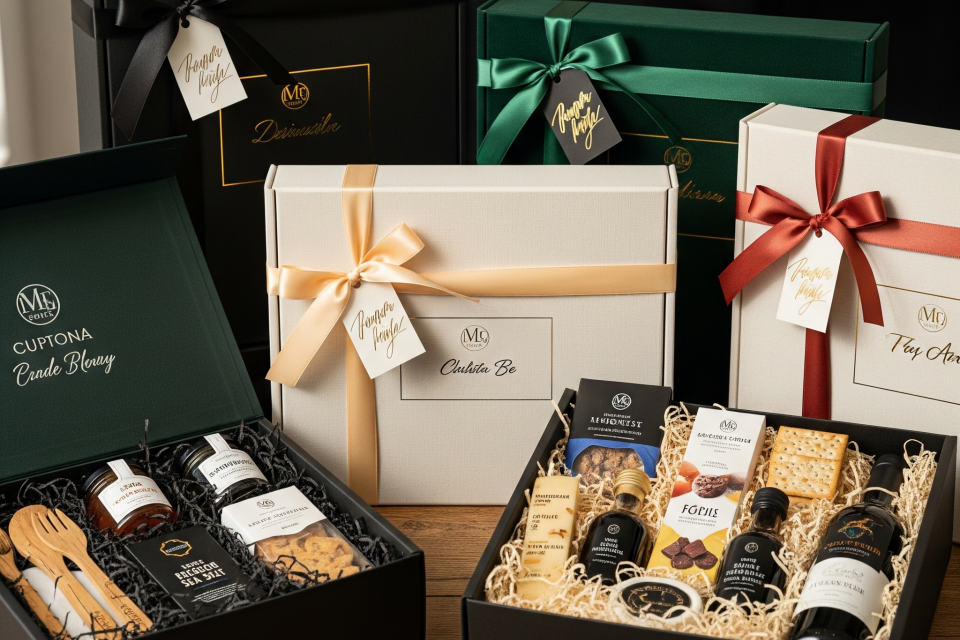
The choice of packaging material is vital for keeping food fresh, and it often involves a trade-off between protective properties, cost, and environmental impact.
Types of Packaging Materials
The food industry uses a variety of materials, each with unique properties.
- Plastic Packaging: Plastic is widely used due to its versatility, low cost, and ability to create a strong barrier against moisture and oxygen. However, its environmental impact is a major concern.
- Glass Packaging: Glass is non-porous and non-reactive, making it an excellent choice for preserving flavor and freshness. It is also easily recyclable, but its weight and fragility can increase transportation costs and risks.
- Metal Packaging: Metal cans and foils offer a strong barrier against light, oxygen, and moisture. They are also recyclable and durable, making them suitable for a wide range of food products.
- Paper and Cardboard Packaging: Paper-based materials are a sustainable option, often made from recycled materials. They are used for dry goods and, when treated, can provide some protection against moisture.
- Insulated Packaging: Materials like insulated boxes and thermal blankets are used to maintain temperature for a limited time, making them a crucial component of cold chain logistics for short-haul trips or last-mile delivery.
Advanced Packaging Technologies
Advanced technologies further enhance the protective capabilities of food packaging.
- Modified Atmosphere Packaging (MAP): This technique involves altering the gas composition inside the packaging to slow down the decay process of fresh produce and other perishable goods, extending their shelf life.
- Active and Intelligent Packaging: These technologies go beyond passive protection. Active packaging, such as oxygen scavengers, directly interact with the food to extend shelf life. Intelligent packaging, such as time-temperature indicators, provides real-time information about the product’s condition, helping consumers and logistics providers make informed decisions.
Environmental Considerations
The environmental impact of food packaging has become a major focus, driving the industry towards more sustainable solutions. The goal is to minimize waste and reduce the carbon footprint of the entire food supply chain.
Technologies for Food Preservation in Transit
The use of technology has transformed food preservation in transit, making it more efficient and reliable.
- Temperature-Controlled Transportation: This is the backbone of the cold chain. It involves a network of refrigerated trucks, ships, and airplanes that maintain precise temperature settings to prevent spoilage.
- Monitoring and Control Systems: These systems use sensors, GPS, and other technologies to track the location and condition of shipments in real time. This data is critical for ensuring compliance and identifying potential issues before they become a problem.
- Packaging Innovations: Innovations in packaging design aim to reduce material usage, improve recyclability, and enhance protective properties.
- Advanced Refrigeration Techniques: Techniques like cryogenic freezing and controlled-atmosphere storage are used to extend the shelf life of highly perishable goods.
Biological Temperature Logistics
This emerging field focuses on using natural, biological methods to control temperature, such as bio-based materials that can regulate heat and cold.
Regulations and Standards
The food industry is highly regulated, with strict standards governing safety, quality, and labeling.
Global Standards and Guidelines
Organizations like the World Health Organization and the Food and Agriculture Organization set global standards for food safety and quality. These guidelines are crucial for international trade and for ensuring that food products are safe for consumption.
Compliance Challenges
Compliance with these regulations can be challenging due to differences in standards across countries and the complexity of the global supply chain. This requires careful planning and robust quality control measures.
Innovations in Regulatory Compliance
Technologies like blockchain and real-time monitoring systems are helping companies improve regulatory compliance by providing a transparent and verifiable record of a product’s journey.
Challenges in Keeping Food Fresh
Despite technological advancements, the industry still faces several challenges.
Time-Sensitive Operations
The short shelf life of many food products makes time a critical factor. Delays at any point in the supply chain can lead to significant waste.
Environmental Factors
Unpredictable environmental factors, such as extreme weather conditions, can disrupt the cold chain and compromise product safety.
Infrastructure and Equipment Limitations
In some regions, inadequate infrastructure and outdated equipment can pose a significant challenge to maintaining a reliable cold chain.
Contamination Risks
The risk of contamination is always present. Proper handling, hygiene, and packaging are essential to mitigate this risk.
Innovations and Emerging Technologies
The future of keeping food fresh in transit is being shaped by a wave of innovations.
Smart Packaging Solutions
Smart Verpackung with integrated sensors and indicators is a game-changer. These technologies can track temperature, detect spoilage, and provide real-time data to consumers and supply chain managers.
Blockchain Technology
Blockchain offers a secure and transparent way to track a product’s journey from farm to fork. It can help to improve food safety, reduce fraud, and streamline the supply chain.
Cold Chain Logistics
Innovations in cold chain logistics, such as advanced refrigeration systems and route optimization software, are making the process more efficient and reliable.
Automation and Real-Time Monitoring
Automation and real-time monitoring are becoming more common, reducing the reliance on manual labor and improving accuracy.
Future Trends
The industry is moving towards a more sustainable and efficient future.
Case Studies
Case studies highlight the successful implementation of new technologies and strategies.
- Cold Chain Innovations in Fresh Produce: Companies are using advanced refrigeration techniques and specialized packaging to extend the shelf life of fresh produce.
- Pharmaceutical Logistics Transformation: The pharmaceutical industry has pioneered many innovations in cold chain logistics, which are now being adapted for the food industry.
- Technology Integration for Food Safety: Brands are using a combination of technologies to improve food safety and quality.
- Active vs. Passive Shipping Systems: The industry is exploring the benefits of active shipping systems (e.g., refrigerated containers) versus passive systems (e.g., insulated boxes with gel packs).