
Jewelry Packaging as Keepsake
Explore how jewelry packaging becomes a keepsake. This guide covers its history, design elements, psychological impact, and innovative trends for creating lasting value.

Summary
Jewelry packaging as keepsake refers to the design and presentation of jewelry containers that are intended not only to protect the items but also to enhance their emotional significance and aesthetic appeal. This practice has evolved significantly from ancient times, when ornate boxes symbolized status and power, to the contemporary focus on branding and sustainability. In recent years, packaging has transformed into a crucial aspect of the jewelry experience, serving as a reflection of a brand’s identity and values while providing a memorable unboxing experience for consumers.
The historical trajectory of jewelry packaging is deeply intertwined with cultural practices and advancements in manufacturing. Early packaging solutions were primarily functional, aimed at safeguarding precious items. However, as societal values shifted, particularly during the 19th century’s industrial revolution, the role of packaging expanded to encompass artistry and narrative. The late 20th and early 21st centuries saw a significant shift driven by social media and e-commerce, with brands increasingly recognizing that packaging could convey luxury, sustainability, and brand ethos, thereby enhancing consumer engagement and loyalty.
In addition to aesthetic and branding considerations, contemporary jewelry packaging embraces innovative materials and designs that prioritize environmental responsibility. Eco-friendly packaging solutions, such as biodegradable materials and recycled elements, have gained traction as consumer preferences lean towards sustainability. Furthermore, the integration of technology into packaging—such as augmented reality features—adds a modern twist, appealing to tech-savvy consumers and enhancing the overall experience of ownership.
While jewelry packaging has become an essential aspect of marketing and consumer experience, it is not without controversy. Issues surrounding waste, environmental impact, and the balance between luxury and sustainability have sparked debates within the industry. As brands navigate these challenges, the significance of jewelry packaging as a keepsake continues to grow, encapsulating not just the product but the values, stories, and emotions tied to it.
Table of Contents
History
The evolution of jewelry packaging is closely intertwined with the broader historical and cultural context in which jewelry itself has been created and valued. In ancient civilizations, ornate chests made from carved wood, stone, and precious metals served as repositories for jewelry, believed to hold great significance and power. These boxes, often adorned with hieroglyphics and detailed engravings, were crafted with care, reflecting the artistry and cultural beliefs of their time.
During the 19th century, amidst industrial and social changes, jewelry design often drew inspiration from the past. Goldsmiths revived ancient techniques and styles, reflecting an eclectic nature in their creations. This era also witnessed a growing interest in packaging as it became necessary to protect delicate pieces amidst the increased production driven by the industrial revolution. The introduction of steam-powered machinery allowed for mass production, making jewelry more accessible and necessitating more robust and intricate packaging solutions.
In the late 20th and early 21st centuries, the rise of social media and e-commerce transformed jewelry packaging into an essential element of brand identity. Packaging evolved from mere protective casings into storytelling tools that conveyed a brand’s values and aesthetic. By 2025, effective jewelry packaging emerged not only as a means of product protection but also as a way to express luxury, artisanal craftsmanship, and eco-consciousness. As consumer preferences shifted towards sustainability, innovative packaging trends that prioritize eco-friendly materials and designs have become a cornerstone of jewelry branding, further shaping the historical narrative of jewelry packaging.
Types of Jewelry Packaging
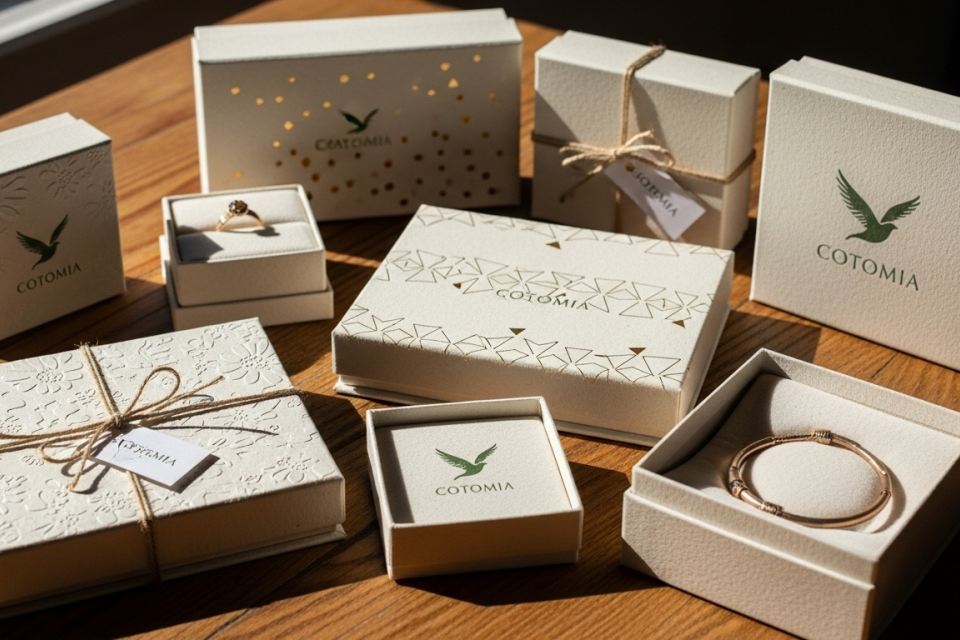
Jewelry packaging comes in a variety of forms, each designed to enhance the presentation, protection, and perceived value of the jewelry within. The choice of packaging can significantly impact the customer experience, making it essential for brands to consider both functionality and aesthetic appeal.
Traditional Packaging
Rigid Boxes
Rigid boxes, or set-up boxes, are often utilized for premium jewelry lines. These boxes are sturdy and shape-retaining, providing an elegant unboxing experience. They are commonly designed with unique features such as brand stories printed inside the lid, enhancing the emotional connection between the consumer and the brand.
Soft Pouches
Soft pouches made from materials like velvet or fabric offer a gentle, luxurious feel, making them suitable for smaller items or sets. These pouches are easy to store and carry, extending the brand’s presence even after the initial purchase.
Keepsake Boxes
Customized keepsake boxes are designed for personalized gifting and often incorporate intricate features such as inlays, carvings, or embroidered designs. These boxes serve not only as storage for jewelry but also as cherished mementos, often used for special occasions like weddings.
Eco-Friendly Packaging
Biodegradable Materials
Packaging made from biodegradable materials, including mushroom packaging and seaweed-based plastics, is gaining popularity among environmentally conscious consumers. These materials decompose naturally, reducing landfill waste and aligning with sustainable values.
Recycled and Upcycled Elements
Many brands are now incorporating recycled materials such as paper, cardboard, and fabrics into their packaging. This not only reduces environmental impact but also adds an artisanal touch to the presentation.
Minimalist Designs
The trend toward minimalist packaging is prevalent, with brands opting for sleek designs that use fewer materials without sacrificing elegance. Reusable pouches and single-layer boxes are examples of this approach, appealing to consumers seeking simplicity and functionality.
Innovative Packaging
Tech-Infused Designs
Modern jewelry packaging often includes technology to enhance the customer experience. This can range from augmented reality demonstrations to interactive elements like QR codes that provide additional product information or brand stories. Such features not only create a memorable unboxing experience but also encourage social media sharing.
Personalized Inserts
Adding personalized touches, such as handwritten notes or custom inserts, fosters a sense of connection between the brand and the consumer. These details are particularly impactful for milestone jewelry, such as engagement or anniversary gifts.
Design Elements
The Design Process
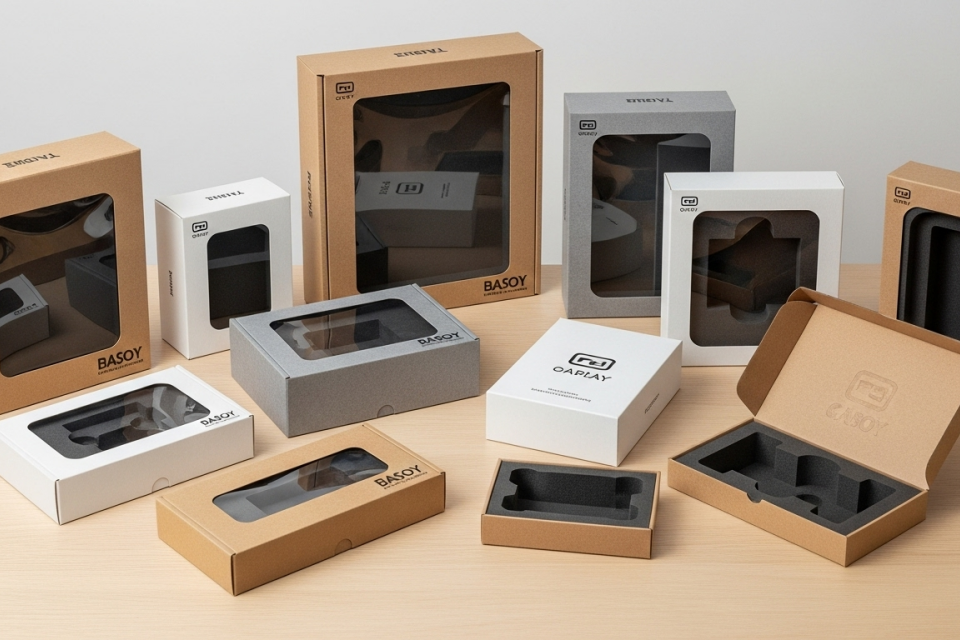
The creation of an innovative jewelry box begins with a comprehensive understanding of consumer expectations. Designers often engage in brainstorming sessions, sketching ideas, and developing prototypes to refine their concepts. Consumer surveys are commonly conducted to align designs with market desires, which can lead to significant sales boosts, as demonstrated by a well-known manufacturer’s campaign inviting customers to submit their own designs. Throughout the design process, various iterations are explored, focusing on material selection, structural integrity, and aesthetic presentation, with 3D printing technology revolutionizing prototype development and enabling intricate designs.
Principles of Design for Manufacturing
Designing jewelry boxes requires a careful balance between aesthetic appeal and practical constraints, governed by principles such as simplicity, cost-efficiency, durability, and environmental sustainability. Minimizing material waste is vital in eco-friendly manufacturing, with the use of recyclable materials attracting eco-conscious consumers. Artisanal craftsmanship combined with advanced manufacturing techniques allows for detailed personalization, catering to trends that favor custom yet affordable luxury.
Innovative Features and Trends
Security Innovations
As the value of jewelry increases, so does the demand for secure storage solutions. Anticipated features for 2025 include smart lock systems utilizing fingerprint recognition and smartphone connectivity, as well as tamper-resistant materials like carbon fiber and reinforced metals. Some designs will focus on discretion, seamlessly blending with home decor while providing secure storage.
Sensory Elements
Recent trends in jewelry packaging emphasize sensory experiences. Textured surfaces, such as embossed leather or sculpted patterns, enhance the tactile aspect of jewelry boxes, making the unboxing experience more memorable. Additionally, transparent designs with crystal-clear panels allow consumers to admire their collections while ensuring protection against UV exposure, thereby maintaining the jewelry’s integrity.
Color Psychology in Design
The choice of colors in jewelry packaging plays a crucial role in enhancing perceived luxury and desirability. Understanding color psychology can significantly influence consumer behavior, as different colors evoke specific emotions and memories that affect purchasing decisions. Effective use of color can communicate the brand’s personality and values, making it a critical element in packaging design.
Symbolism in Packaging
Jewelry often carries deep symbolic meanings, which can be reflected in packaging design. Popular motifs that resonate with consumers include nature elements and religious symbols, adding layers of personal significance to the items stored within. The integration of cultural symbols and artistic influences into packaging design further elevates its appeal, blurring the lines between functionality and artistry.
Psychological Impact
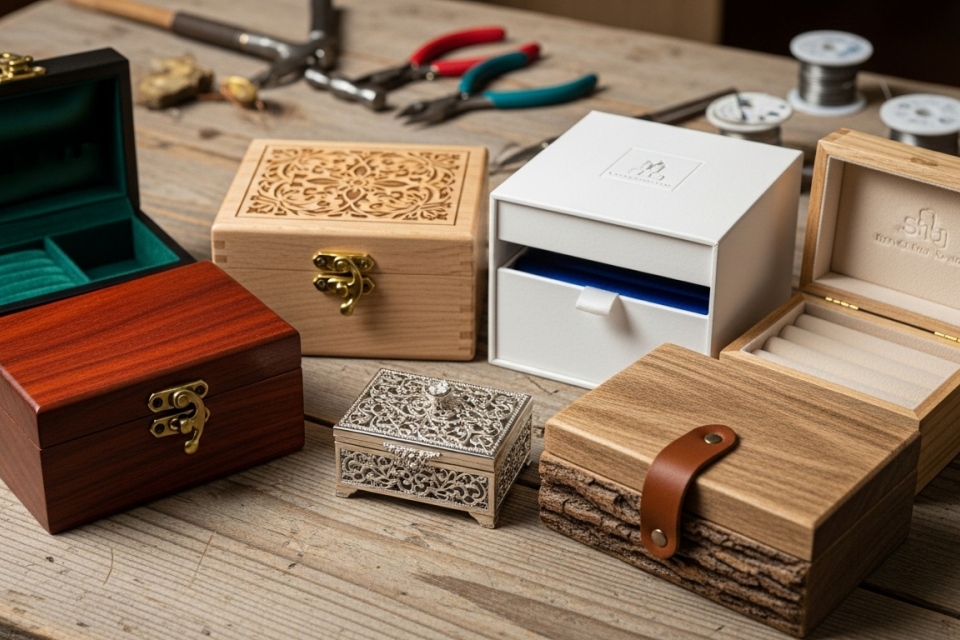
The psychological impact of jewelry packaging extends beyond mere aesthetics, engaging consumers on multiple emotional and sensory levels. The design and presentation of packaging can significantly influence a customer’s perception of value and emotional connection to the product.
Sensory Engagement
Human decision-making is intricately tied to sensory experiences. Luxury jewelry brands effectively capitalize on this by crafting packaging that appeals to sight, touch, and even sound. For instance, the “Halo Effect” demonstrates how premium packaging enhances the perceived value of jewelry, with studies indicating that consumers may associate high-quality packaging with superior craftsmanship, increasing their willingness to pay by up to 30%. Furthermore, the anticipation created by the unboxing experience—such as the deliberate pacing involved in opening a ring box—has been shown to trigger dopamine release, thereby amplifying emotional satisfaction during the purchase process.
Nostalgia and Emotional Connection
Nostalgia also plays a crucial role in consumer behavior, as it can buffer against existential threats and bolster psychological resilience. Jewelry packaging that incorporates historical stories or vintage elements fosters a deeper emotional bond with consumers, making the unboxing experience not just about the product, but about the memories and feelings it invokes. This connection is particularly beneficial for independent jewelers and emerging brands seeking to create impactful relationships with their customers.
Color Psychology
The use of color in packaging further enhances emotional responses. Colors elicit immediate feelings and can unconsciously influence consumer preferences. For example, black may evoke power, while blue instills trust. Psychologists assert that humans impose meaning on colors through personal experiences and societal conditioning, making color a powerful tool in shaping perceptions and reinforcing brand identity. Understanding the psychological implications of color can thus enhance the perceived luxury and desirability of jewelry pieces.
Emotional Significance of Jewelry Boxes
Jewelry boxes themselves carry significant emotional weight, often symbolizing cherished feelings and relationships. They are more than just storage; they represent continuity and the bonds of family, often serving as heirlooms passed down through generations. Additionally, gifting a jewelry box symbolizes devotion and commitment, enriching the overall experience for both the giver and recipient.
The Unboxing Experience
The moment of unboxing jewelry can evoke powerful emotions, with carefully curated packaging enhancing feelings of excitement and joy. This moment not only influences the buyer’s experience but also leaves a lasting impression that can affect brand loyalty and future purchases. Moreover, as social media continues to shape consumer behavior, visually appealing packaging that encourages sharing can further elevate a brand’s visibility and desirability.
Case Studies
Courbet
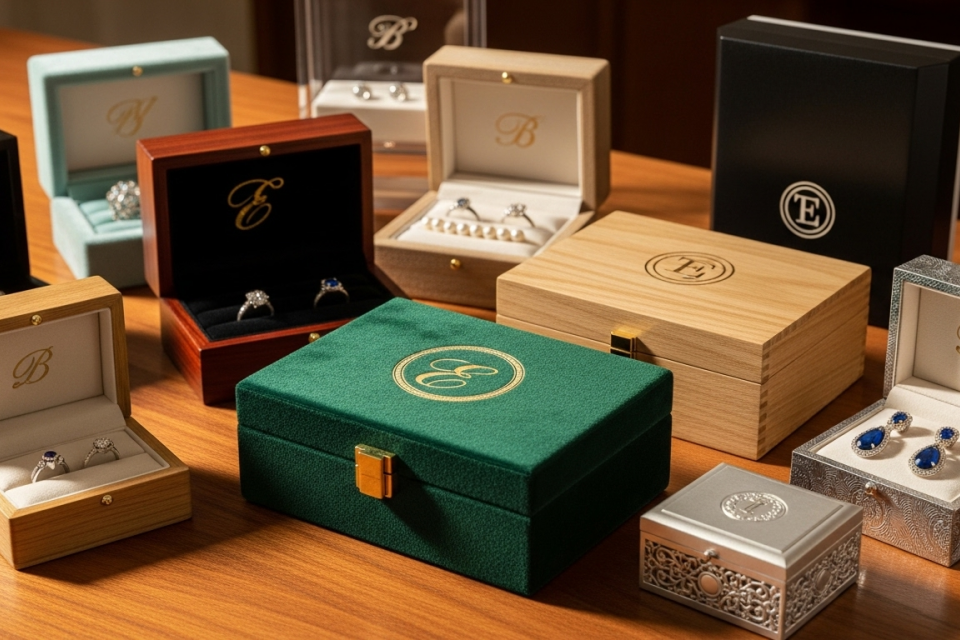
Courbet, a luxury jewelry brand, emphasizes traditional French craftsmanship in its packaging design. The company has collaborated with an artisanal company in Brittany, La Cabane Bleue, to create a refined packaging solution made from leather scraps, natural latex, and organic dye, resulting in a classic midnight-blue case. Manuel Mallen, President and Co-founder of Courbet, highlights the brand’s intention to maintain a sense of elegance without being overtly disruptive, affirming their commitment to the long tradition of French jewelry making. The packaging incorporates a clamshell lid system, which is traditionally associated with engagement ring presentations, enhancing the ritualistic experience for customers.
MB&F
MB&F, known for its avant-garde timepieces, approaches packaging with a focus on creativity and conversation. Founded by Maximilian Büsser, the brand’s Horological Machines collection features packaging designed by Olivier Berthon of Soixante et onze. Each box is crafted to stand alone as an object of art, not merely a container for the watch. The latest model, the MH11 Architect, draws inspiration from both architectural design and furniture, reflecting the brand’s playful yet sophisticated ethos. This innovative approach to packaging reinforces the luxury experience while engaging customers on a deeper level.
KIMITAKE
In May 2024, KIMITAKE introduced rebranded jewelry packaging that draws inspiration from Japanese cultural heritage. The new design features traditional elements such as the Kyoto Nishijin-Ori Drawstring Bag, a Paulownia Box, and Kyo-Yuzen Dyeing techniques. This reflects the brand’s commitment to preserving traditional artistry while providing a modern take on packaging, thus enhancing the keepsake value of their products.
Tiffany & Co.
Tiffany & Co. has long been recognized for its iconic blue packaging, which has become a symbol of luxury and elegance since the company’s founding in 1837. The jewelry boxes are crafted from high-quality materials and are often kept as treasured keepsakes, reinforcing the emotional connection between the brand and its customers. This distinct packaging strategy not only enhances the perceived value of the jewelry but also plays a crucial role in brand identity.
Cartier
Founded in 1847, Cartier’s packaging is equally notable, characterized by its signature red boxes that evoke a sense of romance and tradition. The high-quality materials used in these boxes reflect the brand’s commitment to luxury and refinement. The distinct color and design enhance the unboxing experience, making it memorable for customers and reinforcing the brand’s identity in the luxury market.
Fabergé
The House of Fabergé, established in 1842, is synonymous with opulence and exquisite craftsmanship. Fabergé’s jewelry boxes are renowned for their intricate designs, meticulous enameling, and lavish use of precious materials. These boxes often feature elaborate motifs that celebrate the brand’s rich artistic heritage, transforming packaging into a work of art that enhances the overall experience of ownership and gift-giving.
Contemporary Trends
Sustainability and Eco-Friendly Practices
The jewelry industry is witnessing a significant shift towards sustainability, with many brands adopting eco-friendly packaging solutions to combat packaging waste. This includes the use of biodegradable, recycled, or recyclable materials, such as recycled cardboard and organic cotton pouches. Additionally, brands are increasingly looking for certifications, like the Forest Stewardship Council (FSC), to ensure their packaging materials are sourced responsibly and ethically. The emphasis on sustainable packaging not only addresses environmental concerns but also enhances the perceived quality of products, with 69-80% of consumers considering cardboard and paper packaging as higher quality.
Multi-Functional and Reusable Packaging
The demand for packaging that serves multiple purposes is at an all-time high. Consumers are now expecting brands to offer packaging that can be reused, such as travel jewelry cases or decorative storage boxes. This trend reflects a growing consumer preference for practicality and sustainability, as multi-functional packaging not only reduces waste but also adds value to the overall product experience. By incorporating elements that allow for repurposing, brands can create a more appealing product offering that resonates with modern shoppers.
Cultural Significance and Emotional Connection
Contemporary jewelry packaging is increasingly infused with cultural elements, highlighting brand stories and emotional narratives. This approach aims to create deeper connections between consumers and products, with designs reflecting local traditions and personal histories. By incorporating culturally significant designs and emotional touches, such as handwritten notes or unique artwork, brands are enhancing the overall unboxing experience and fostering a sense of belonging and community among consumers.
Technological Innovations
The future of jewelry packaging is also becoming tech-infused, with advancements in smart packaging technologies. Brands are beginning to utilize NFC tagging for product authentication and augmented reality (AR) experiences, which can enhance customer interactions and immersiveness. This technological integration not only attracts modern consumers seeking innovative shopping experiences but also adds an additional layer of value to the packaging itself, as it allows customers to visualize how pieces will look when worn.